
Into My Mother’s Garden
Jayanto Tan
Into My Mother’s Garden
23 August - 6 September 2025
Exhibition opening with the Artist
to be launched by
Jumaadi
Artist
Saturday 23 August 2025
2.30 – 4.30 pm
Artist in Conversation
with
Professor Jing Han
Director
Institute for Australian and Asian Arts and Culture
Western University
Saturday 6 September 2025
2.00 - 4.00 pm
Jayanto Damanik Tan
Jayanto is a visual artist who was born and raised in a small village in North Sumatra, Indonesia to a Chinese-Malay-Sumatran Christian mother and Chinese-Guangdong Taoism father. As a Chinese-Indonesian Peranakan immigrant living in Sydney, who fled poverty and political repression in search of a better life, his practice blends Eastern and Western mythologies with the reality of current events. He draws on the identity politics of diaspora to express personal experiences of ‘otherness’. His practice shares autobiographical experiences of loss, displacement, hope and offering a sentiment of mixed spirituality and sharing demonstrates a diverse culture bringing the timeless wisdom of meditation to a contemporary world.
Into My Mother’s Garden
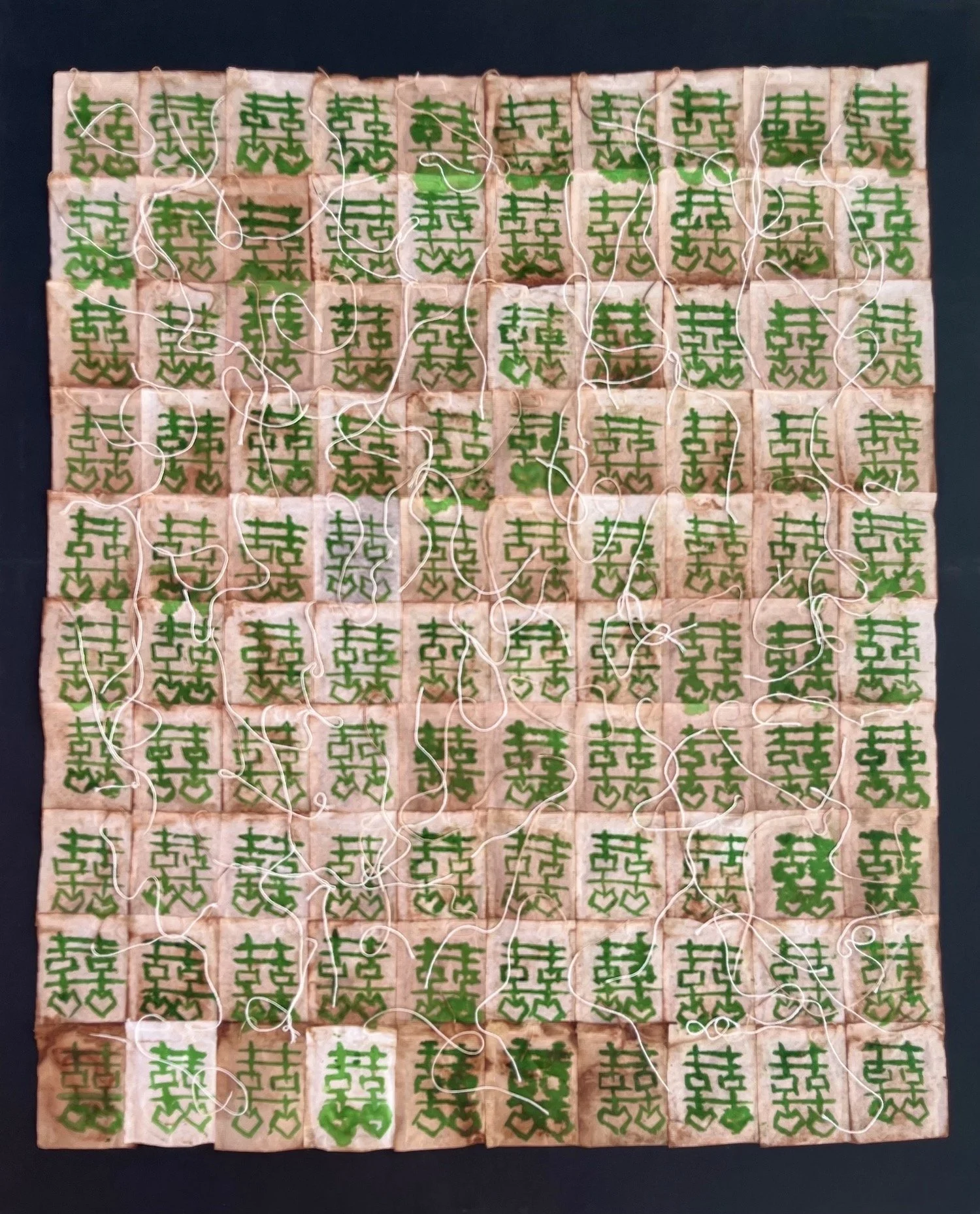
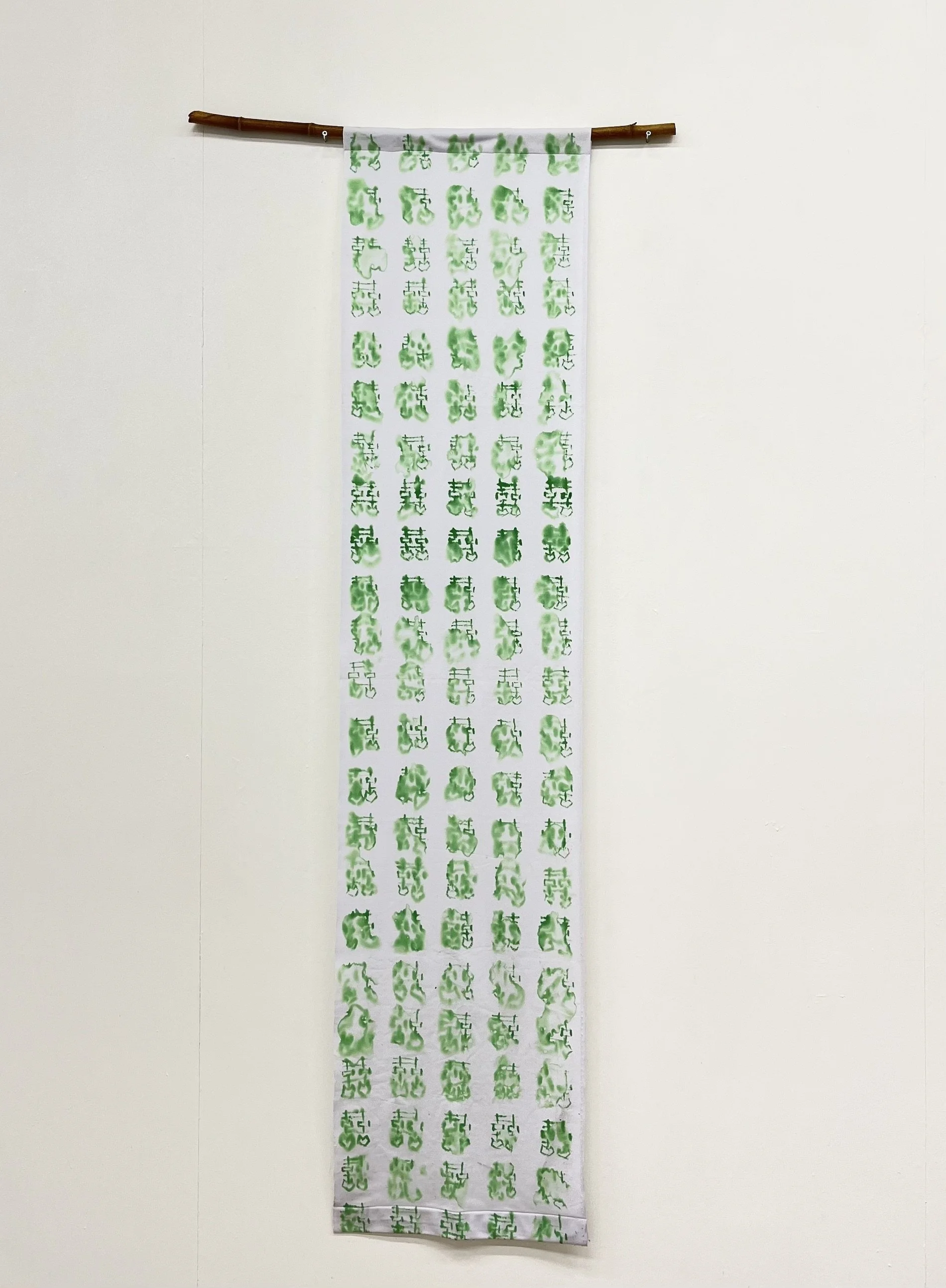
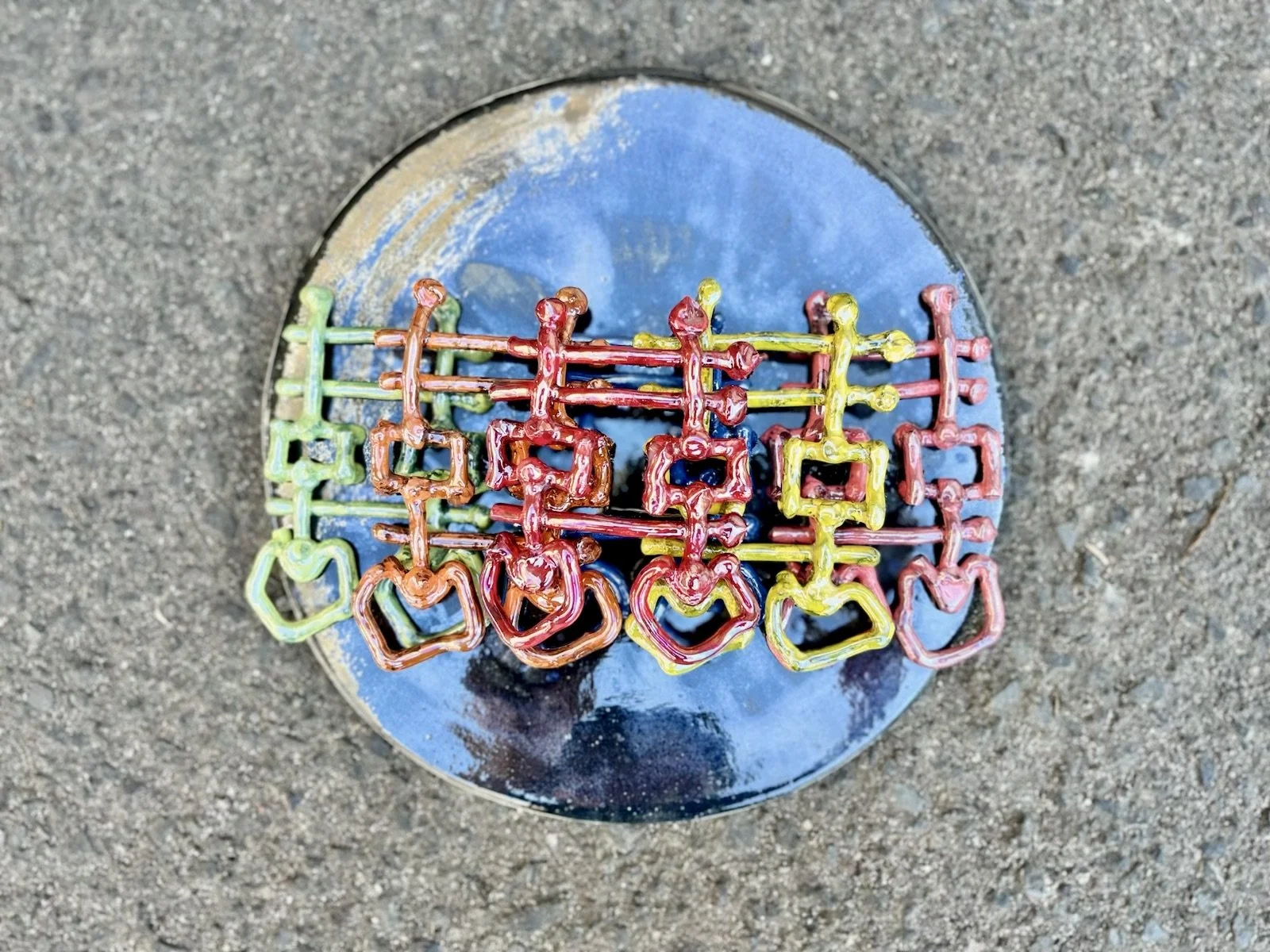
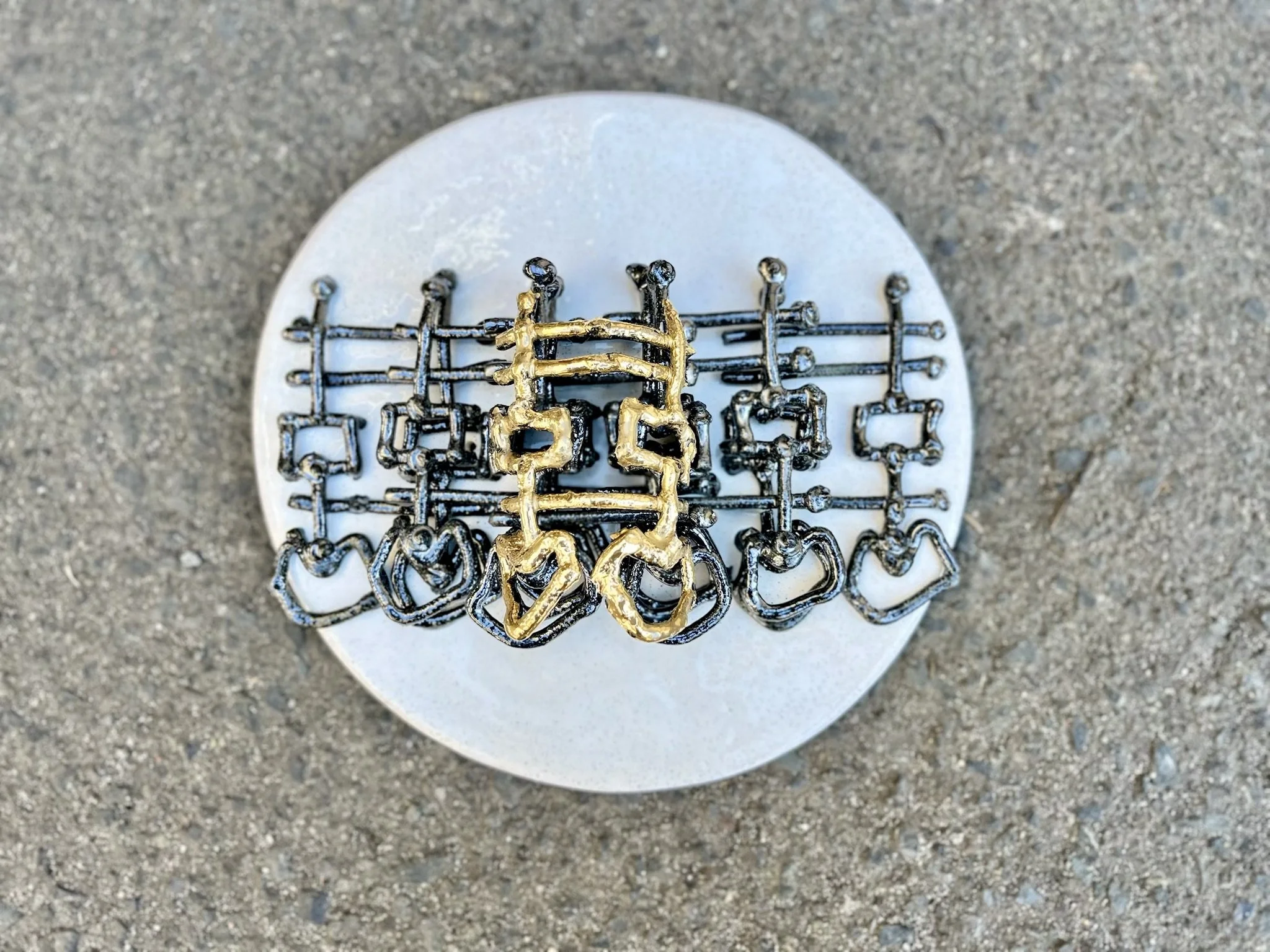
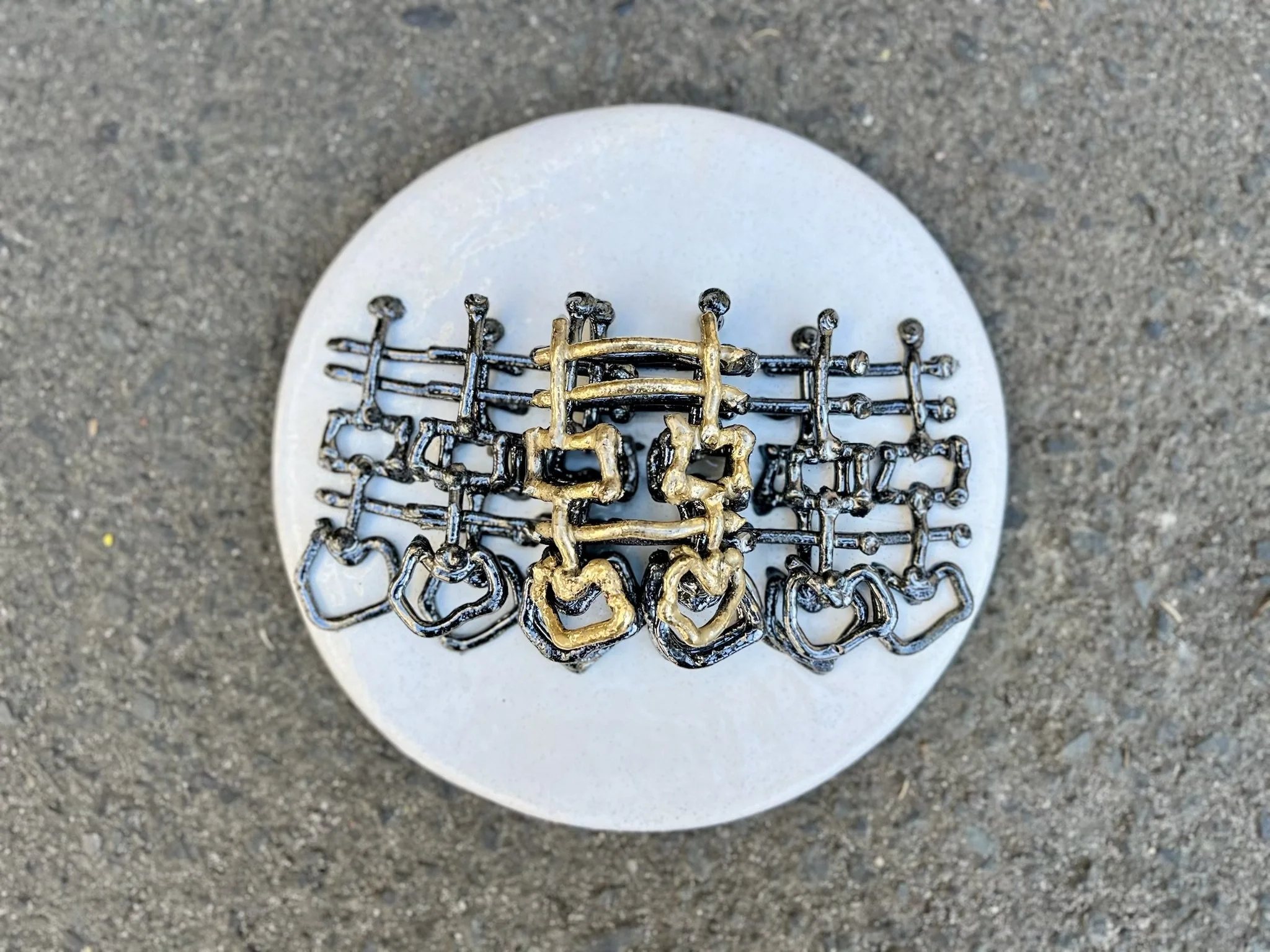
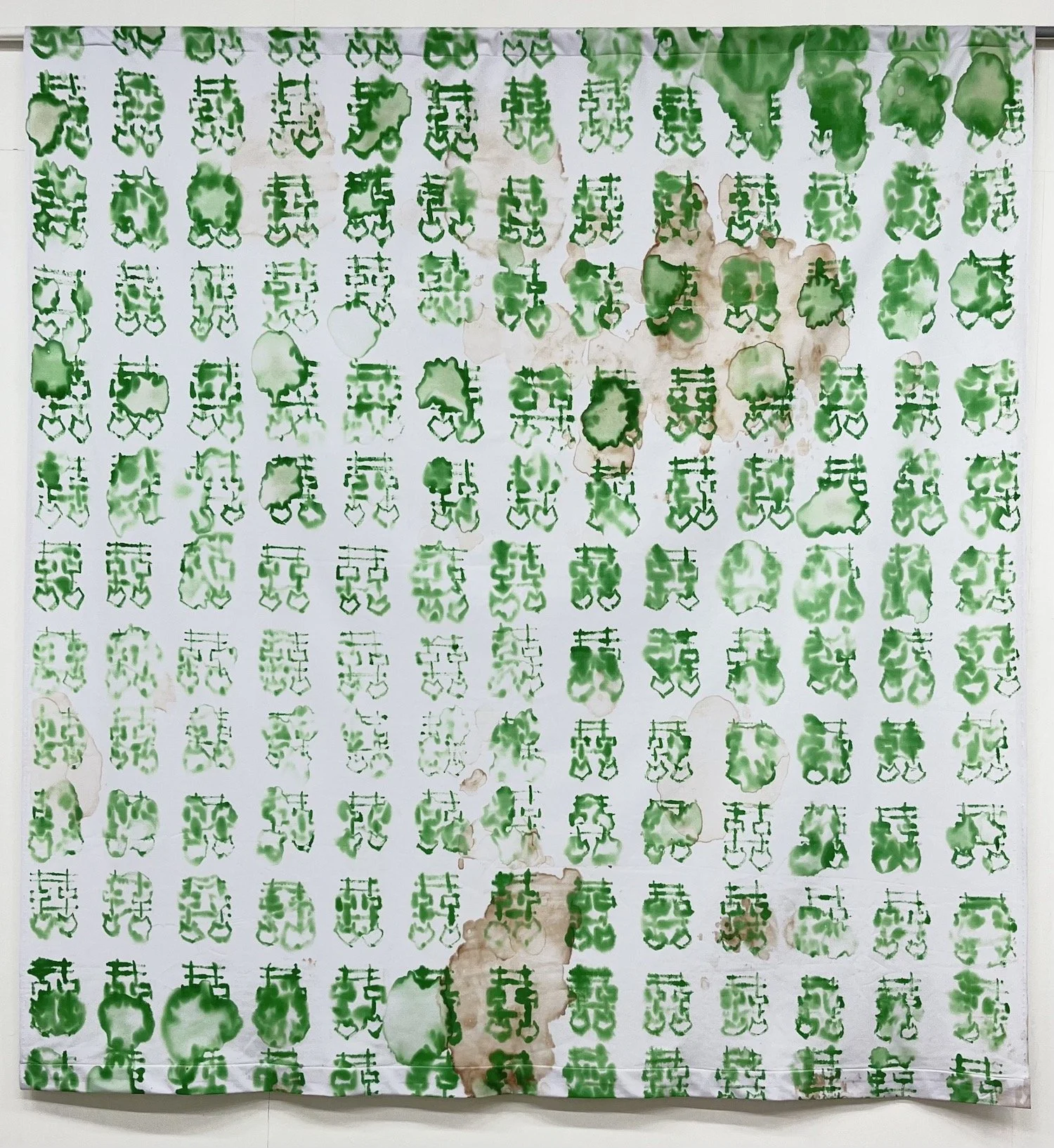
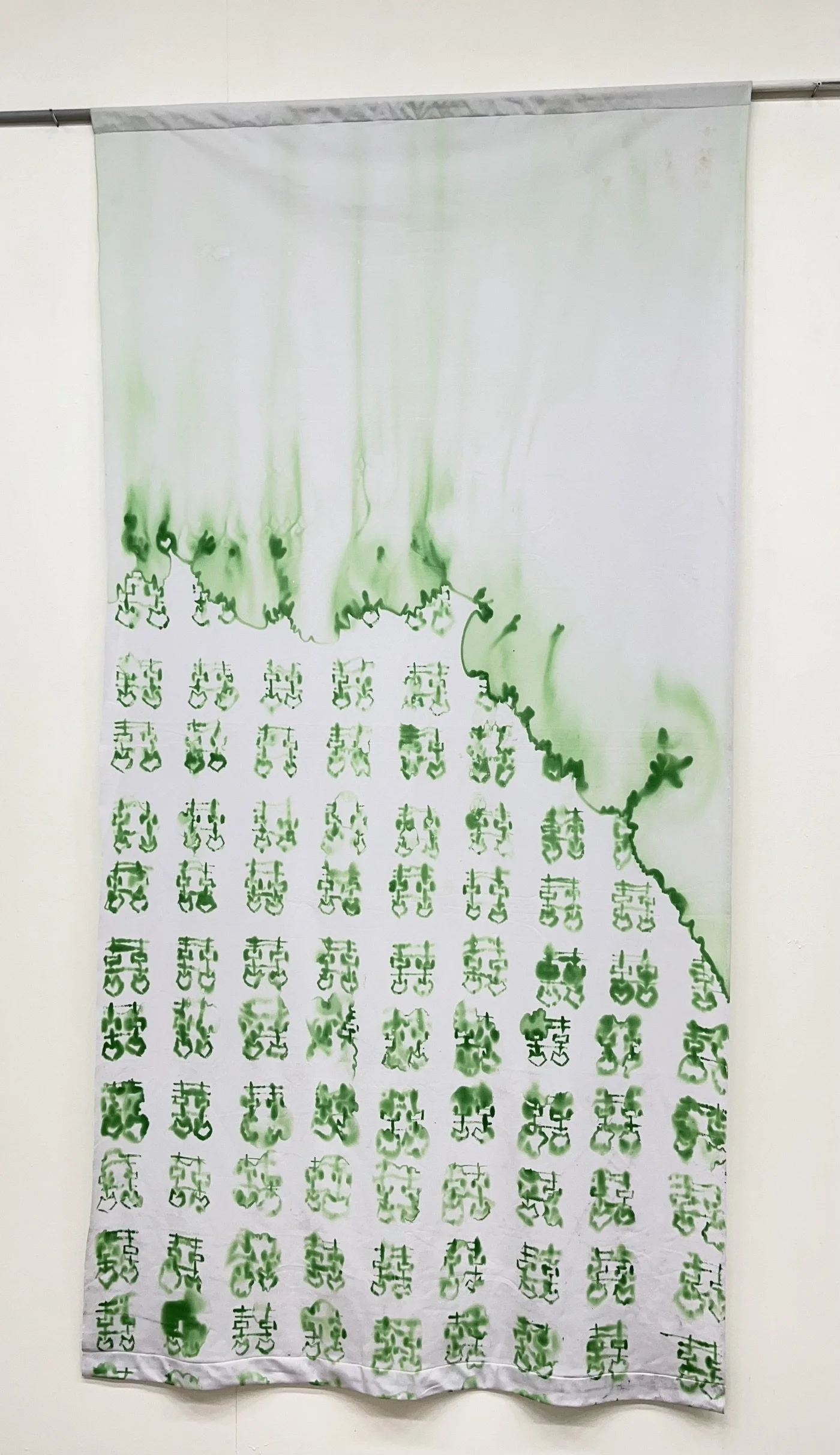
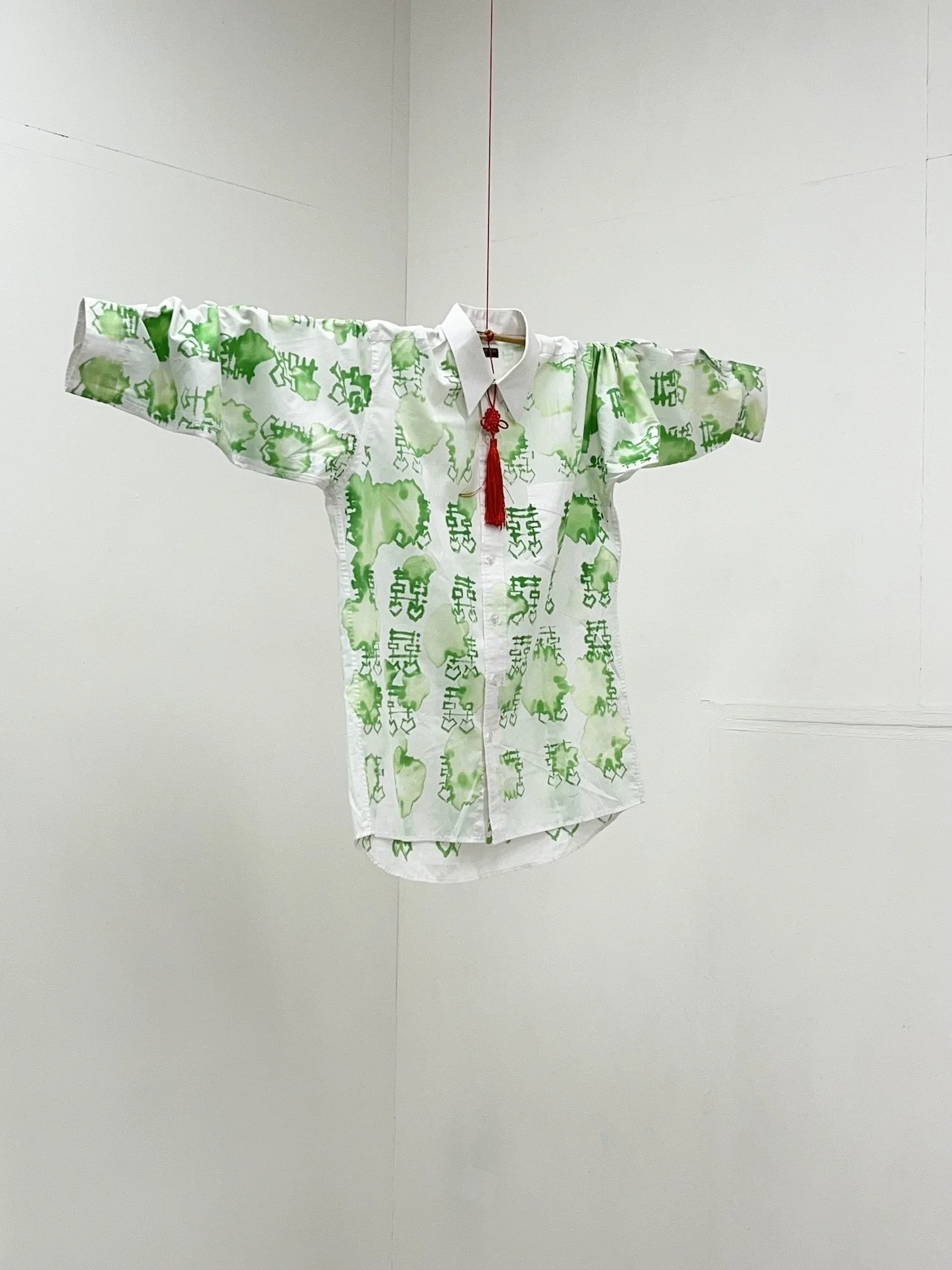
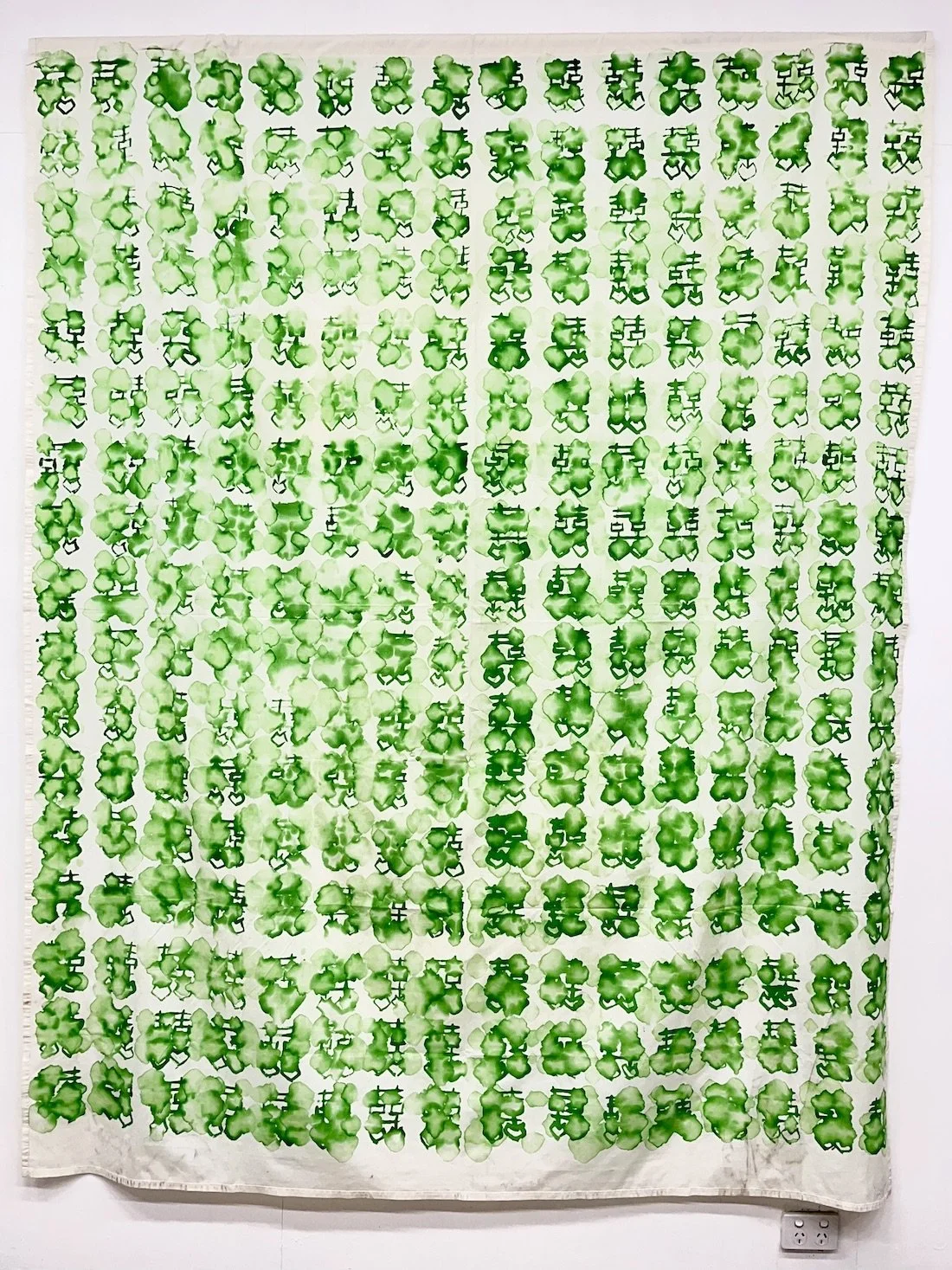
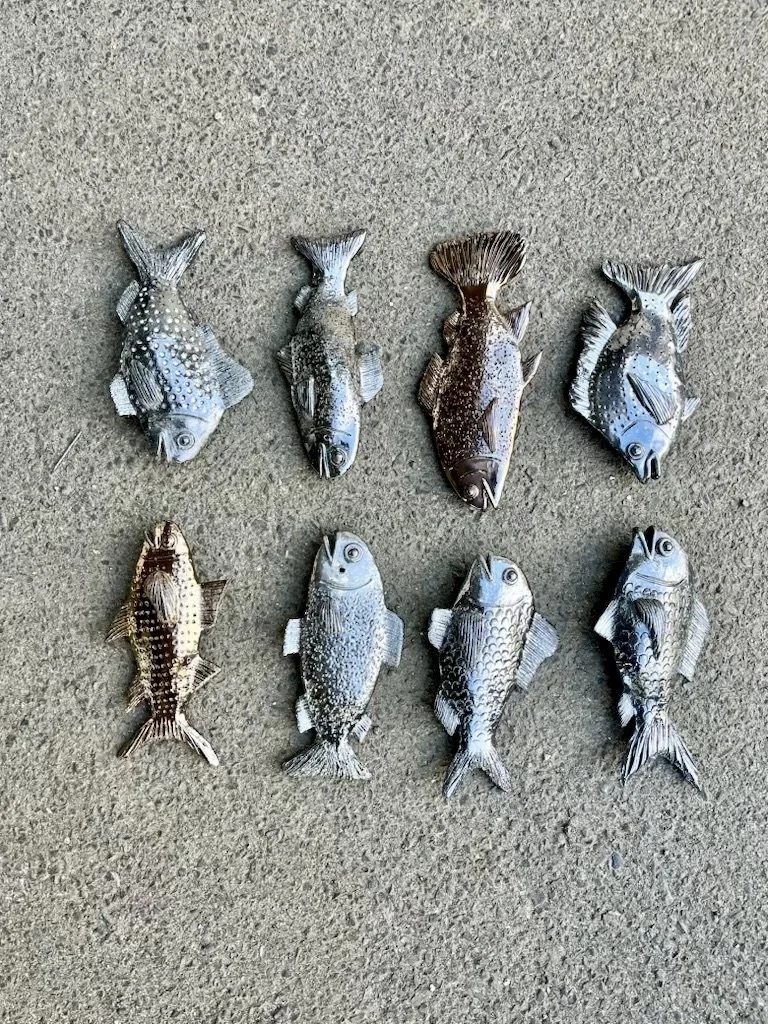
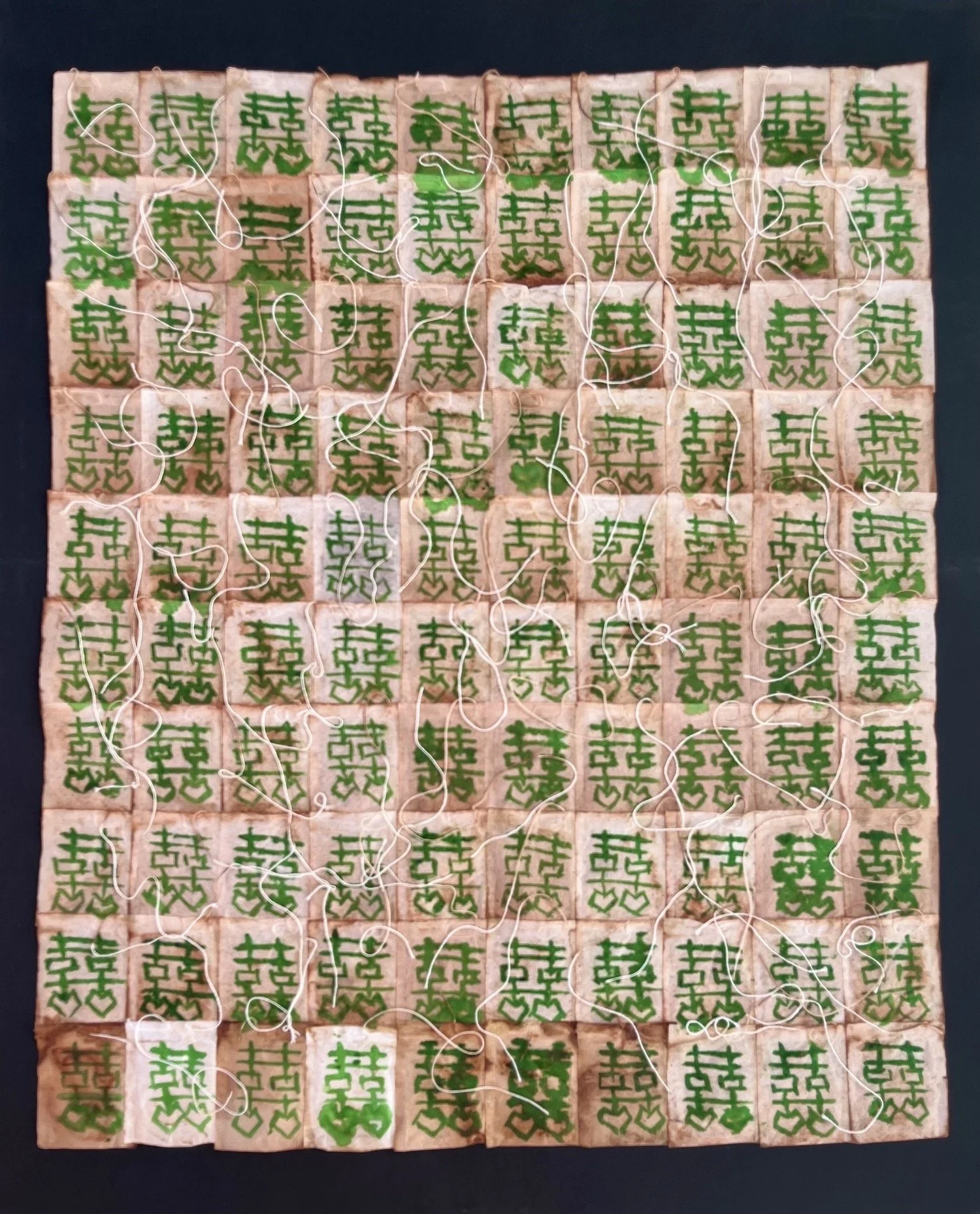
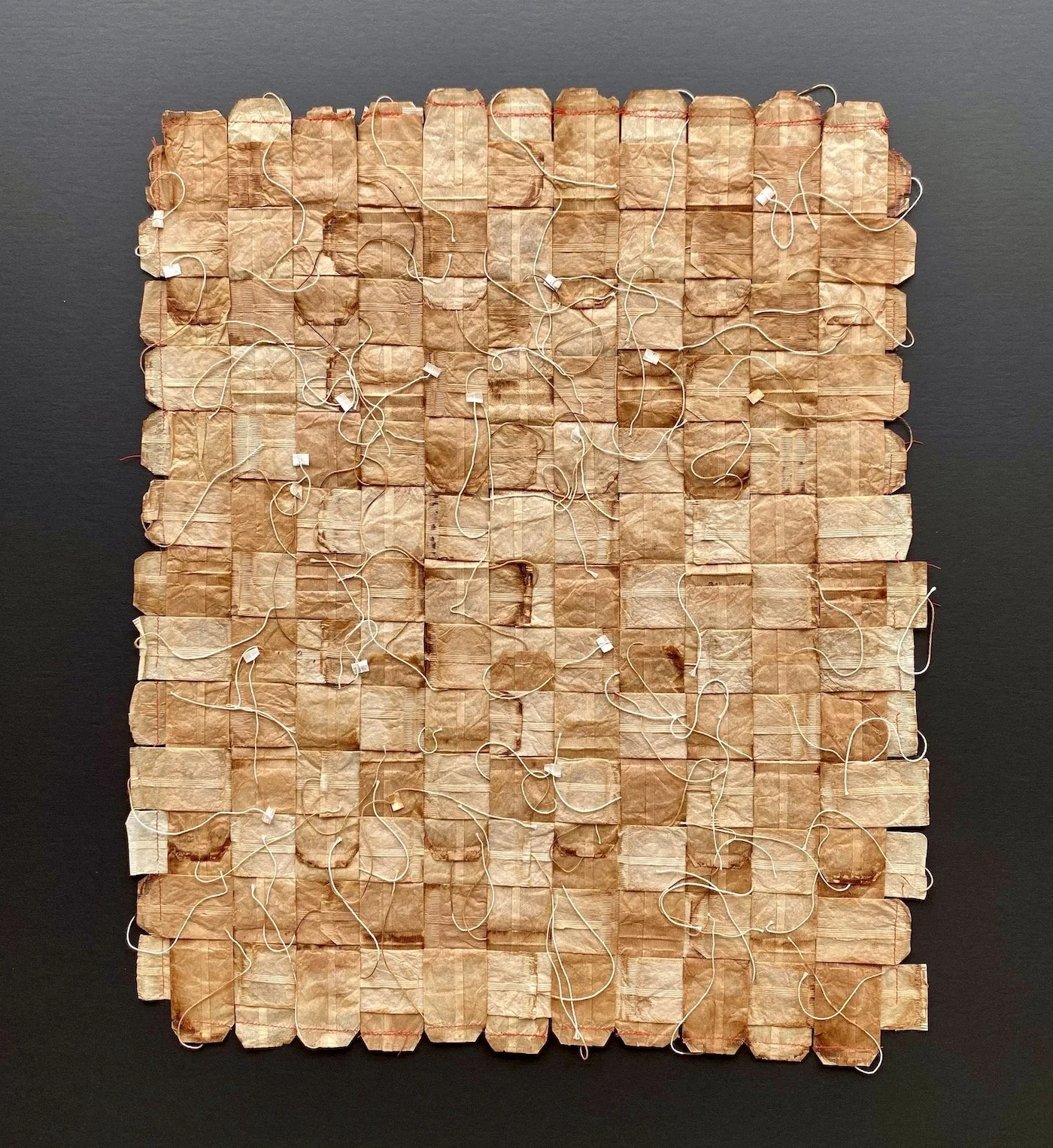
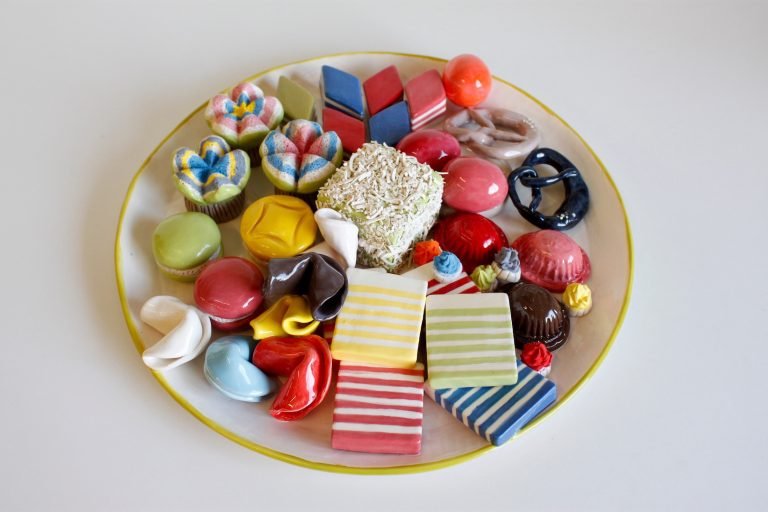
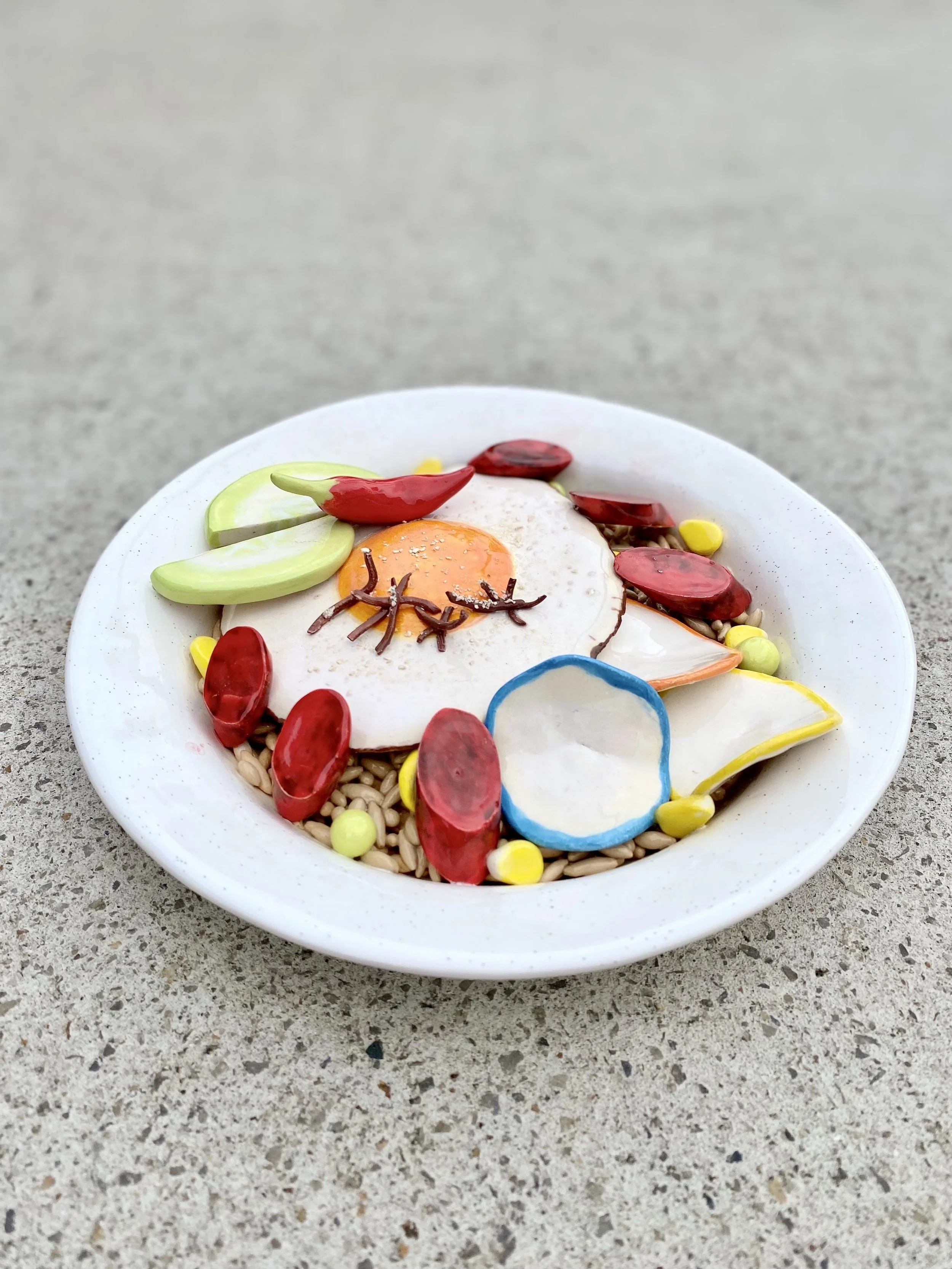
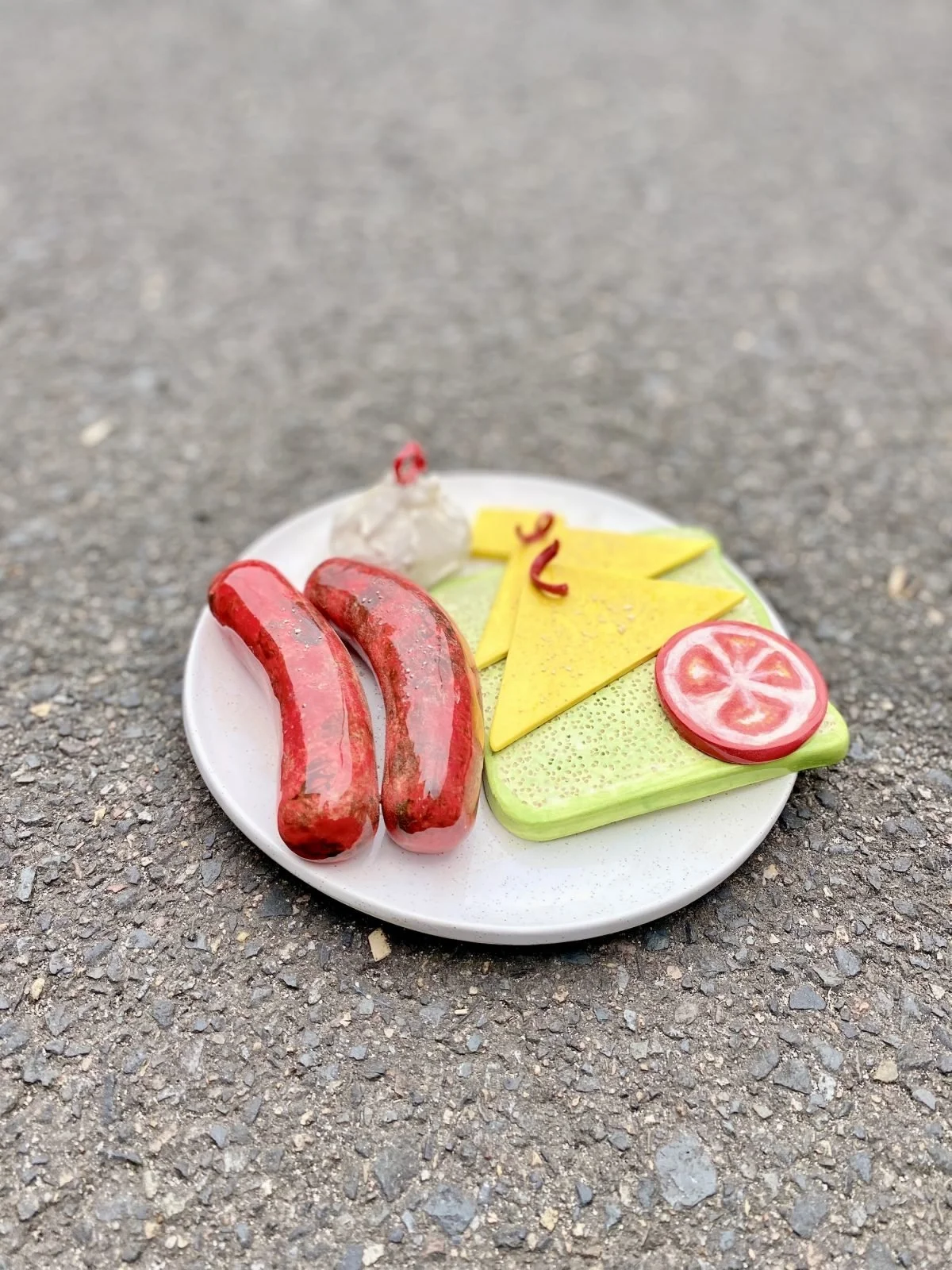
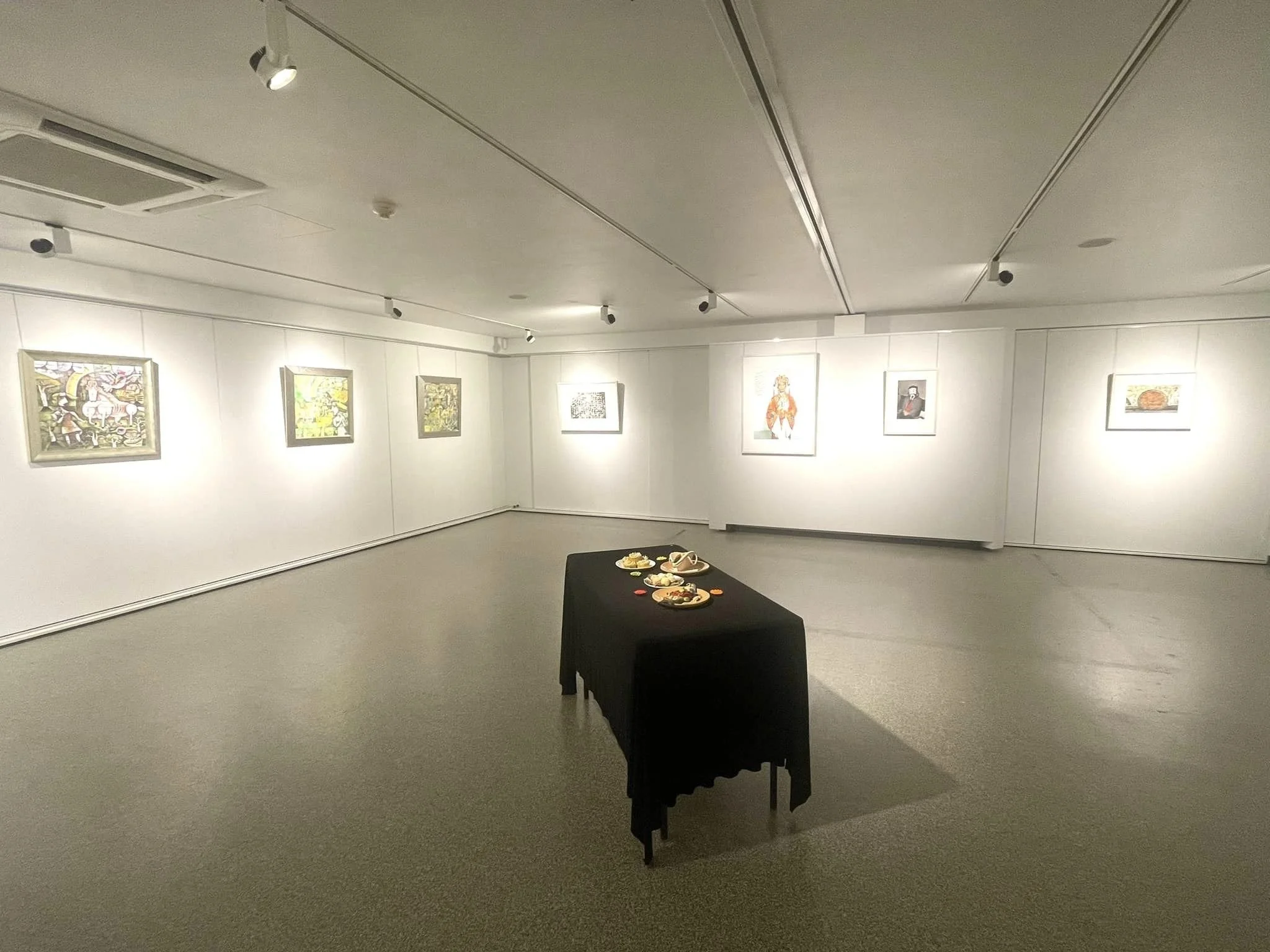
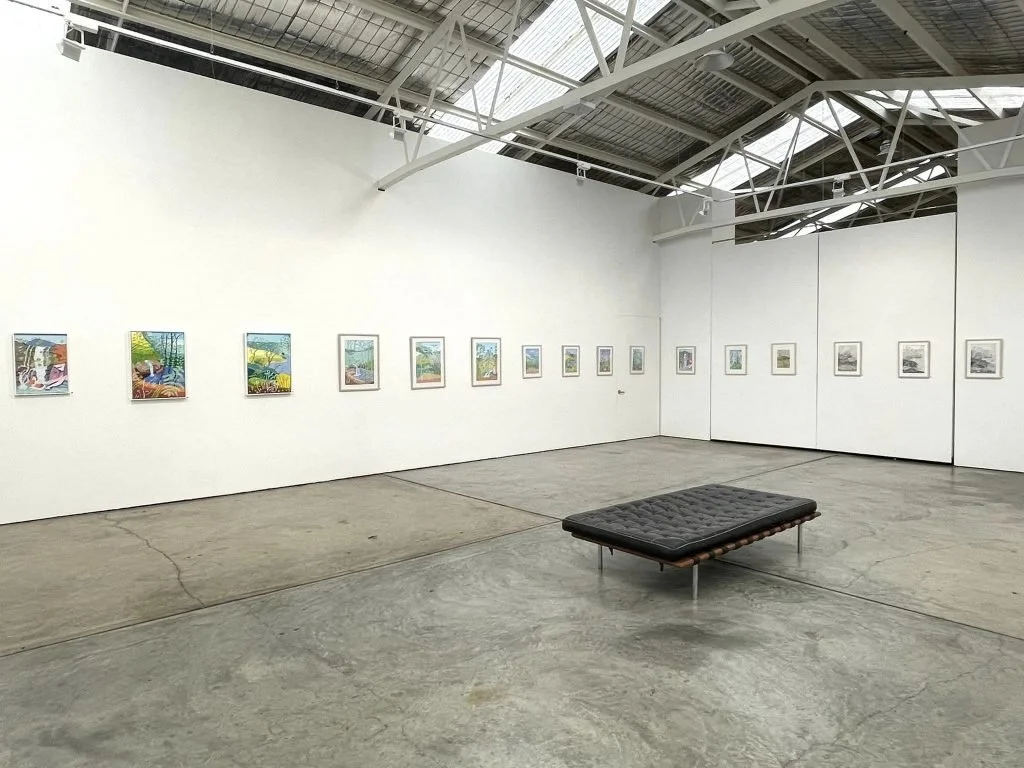
Jayanto Tan’s practice is grounded in a deep engagement with memory, ritual, connection and belonging. Drawing inspiration from family archives, the artist reconnects with fragments of the past, seeking to preserve and honour embodied traditions that have shaped his identity and inform his art making. Food serves as a recurring motif throughout Tan's practice, featuring as both subject matter of his ceramic works and performance element in tea ceremonies, while also serving as nontraditional art materials through his use of pandan extract and teabags. Into My Mother’s Garden is a solo exhibition by Jayanto Tan that seeks to recall histories of colonialism and displacement through familial materials. In doing so, this body of work depicts memories of trauma and unspoken ancestral ties. Tan’s family has a farming background with limited literacy and a history of dyslexia, creating generational challenges with reading and writing. At home they communicated in a mix of regional dialects including Bahasa Indonesia, Hokkien, and Bahasa Melayu, with family stories passed down through oral traditions rather than written records. In this exhibition, Tan evokes those familial memories in a domestic setting, drawing on food as a recurring motif to pay homage to his loved ones and share memories as a gift to future generations. The pandan leaf, a tropical plant native to Southeast Asia commonly used for cooking, is at the heart of many of the works shown here where Tan has used the green pandan dye extract for the paintings on fabric. Evoking olfactory memories through the distinctive vanilla fragrance, these works are accompanied by a collection of ceramic objects depicting popular Indonesian and Australian food. The textile work ‘Brokeback Mountain’ sits at the centre of Into My Mother’s Garden, the shirt arms appearing as a chandelier suspended from the ceiling. The double happiness symbol is printed in pandan extract onto a men’s shirt and tied with red string from North Sumatra – a symbol of the artist’s connection to his childhood. The double happiness symbol, commonly used in the Chinese tradition 囍, is associated with marriage and family unity. The artist deviates the symbol from its conventional use, applying it to a context that emphasises harmony, pride and balance through various forms of kinship, including same-sex love. Several pandan paintings of the double happiness symbol resonate throughout the exhibition as a reference to the forgotten family historical connections to the Malacca community through the Straits of Malacca. Tan recalls that his ancestors were among the 'boat people' who smuggled themselves from China to Belawan Port in North Sumatra during Dutch colonial times. They travelled through the Strait of Malacca canal in pursuit of a better life in a new land. Several ‘mural drawings’ based on materials inherited from the artist’s family are shown here. ‘Taiwanese Garden’ features a beige bedsheet from Tan’s sister based in Taiwan and a slightly blurred pandan print of the double happiness symbol. Multiplied many times over, Tan reveals this repetition is intended to be read as a mantra. In ‘Tapestry One’ and ‘Tapestry Two’ Tan once again brings collected materials into the present day through his assemblage of stained teabags to create a new composition. The practice of collecting used teabags began in 2014 after his mother's passing, serving as both art making material and memorial gesture. Over tea ceremonies and conversations with friends, the artist collects the discarded tea bags, dries them, and empties the tea leaves, bringing the paper back to life. Tan shares that some of the teabags in this work are from his brothers, who are Christian and married to Muslim Javanese women in Indonesia, and from his live performances of tea ceremonies with community members around Australia. Personal memory, family history and cultural identity are woven throughout these works through Tan’s symbolic use of meaningful materials and embodied experience. As a child, Tan was often asked by his mother to harvest the pandan leaves and fish from their backyard garden. The ceramic work ‘Eight Fish’ evokes the memory of collecting fish from the garden, made during an artist residency in 2024 at Arthur Boyd’s former Studio, Bundanon Homestead in New South Wales. Through his current art practice, Tan strives to preserve and celebrate these rituals and memories, while also offering a unique and shared safe space for the community to come together. As a mature middle-aged man who lived in silence for most of his adolescent years in the 1990s, this work serves as Tan's provocative exploration of identity, longing, queerness, lost family, memorial and self-destruction. Through these deeply personal narratives, he portrays the alienation, fantasy and desire of finding home in a peaceful dreamland.
Dr. Eliza O'Donnell
School of Historical and Philosophical Studies
University of Melbourne
View Jayanto Damanik Tan Catalogue
ARTWORKS

NEWS ABOUT THE ARTIST


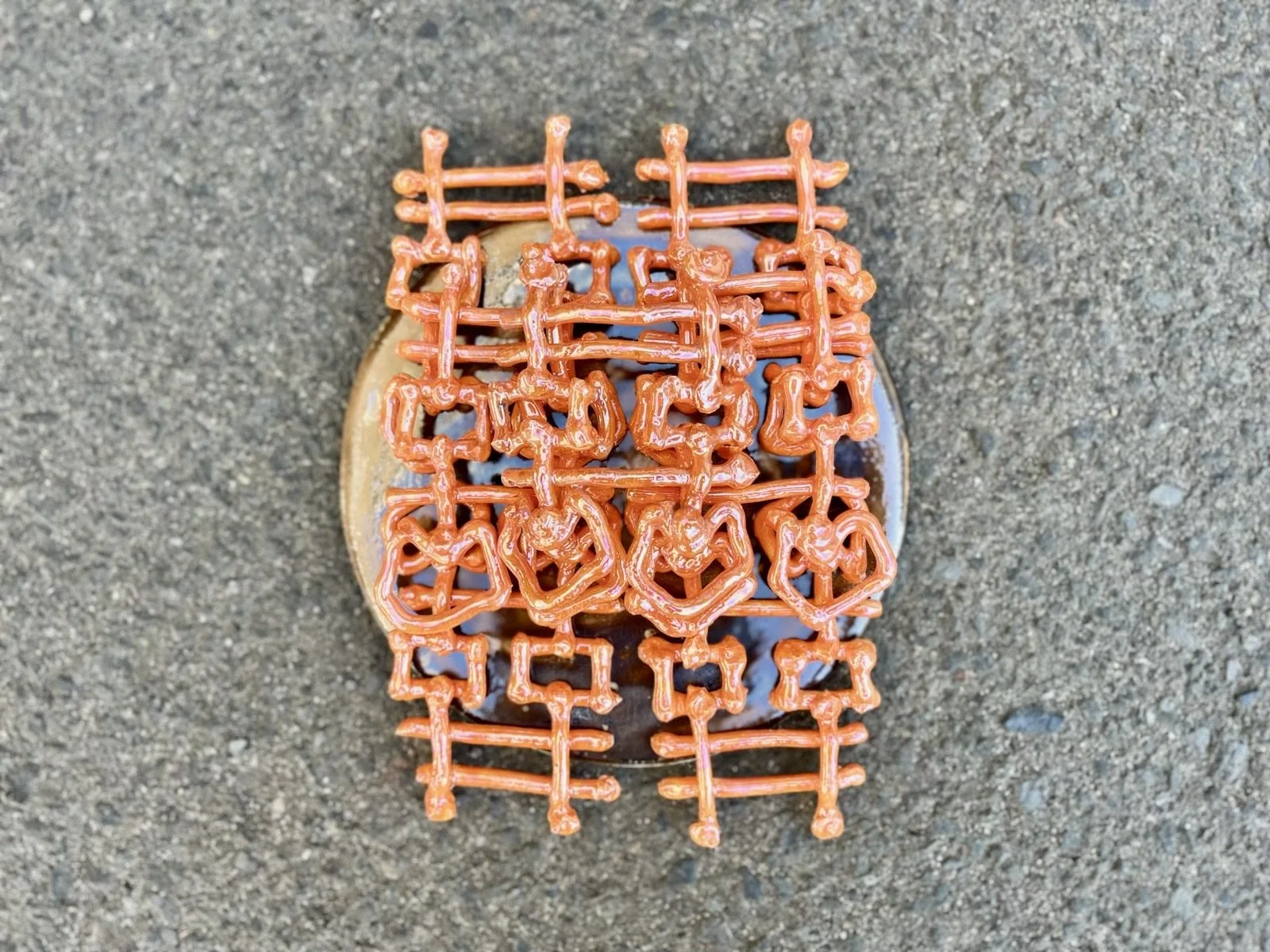
3 x 15 x 18 cm
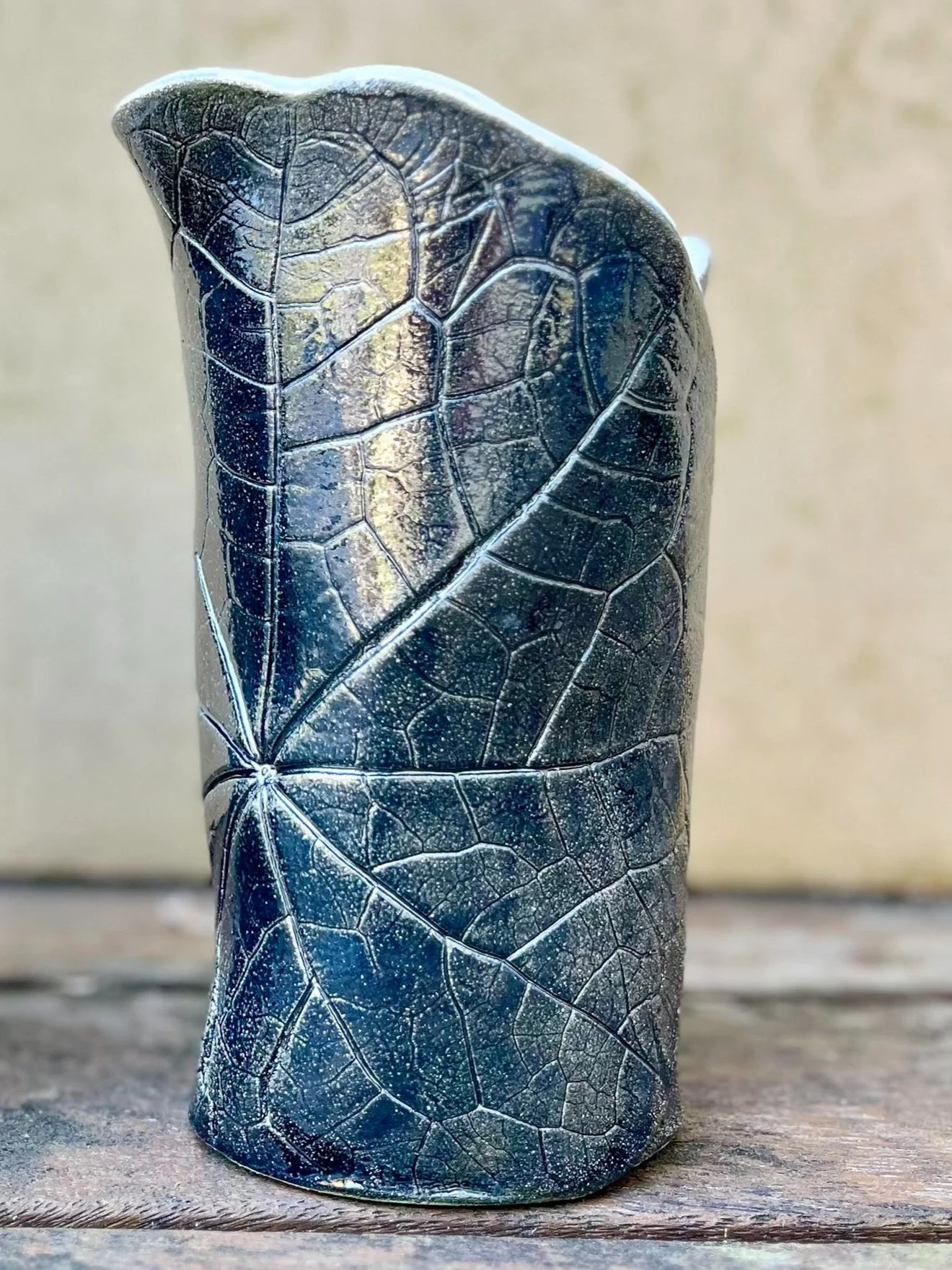
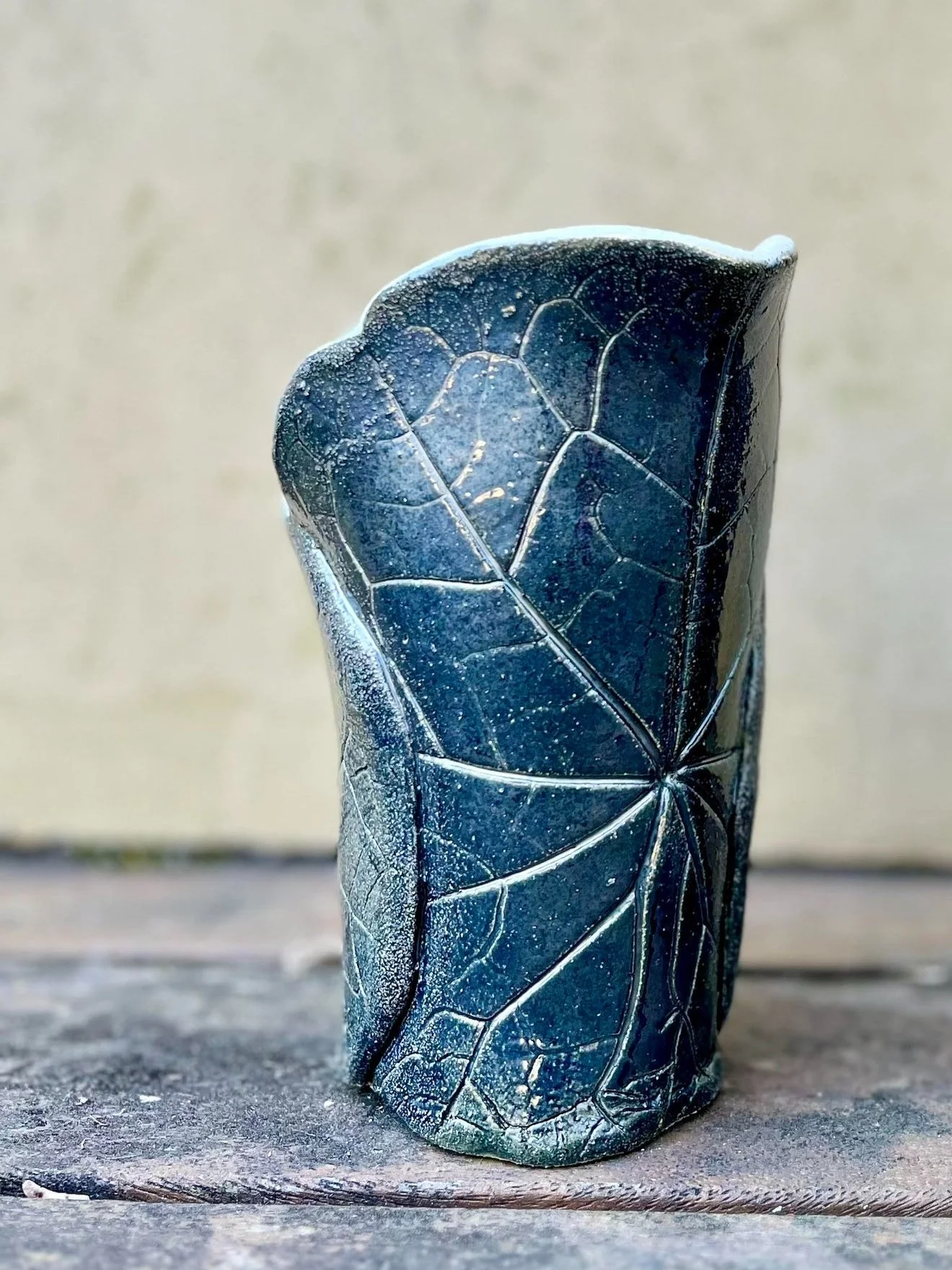
Ceramic, gold lustre