 Image 1 of 1
STORY
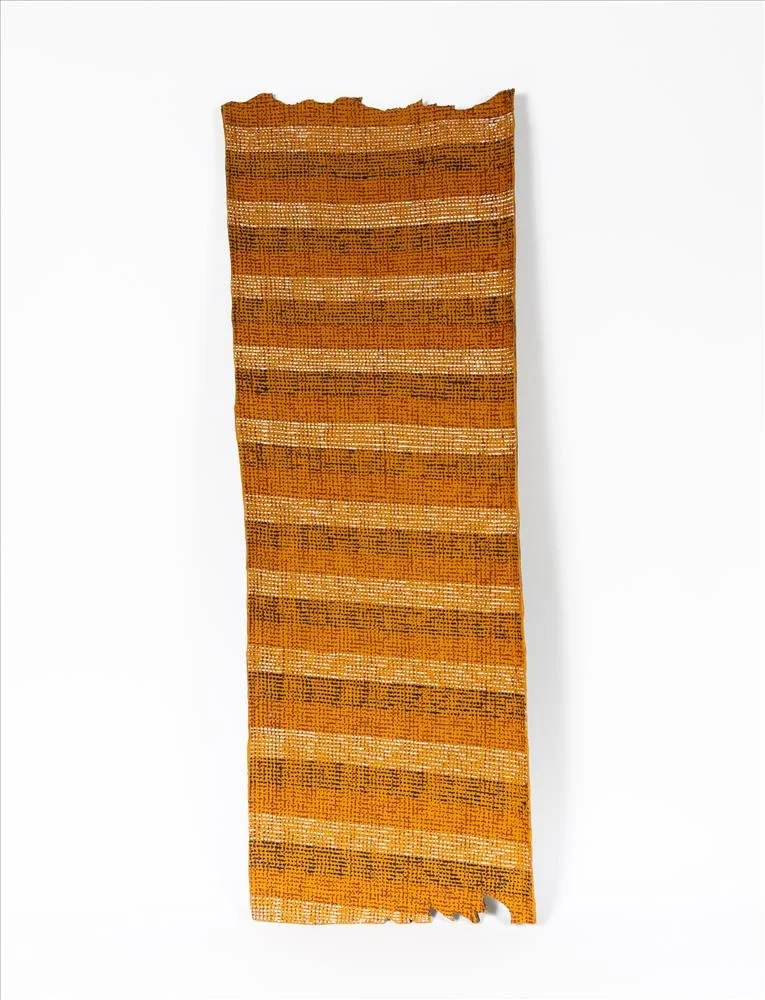
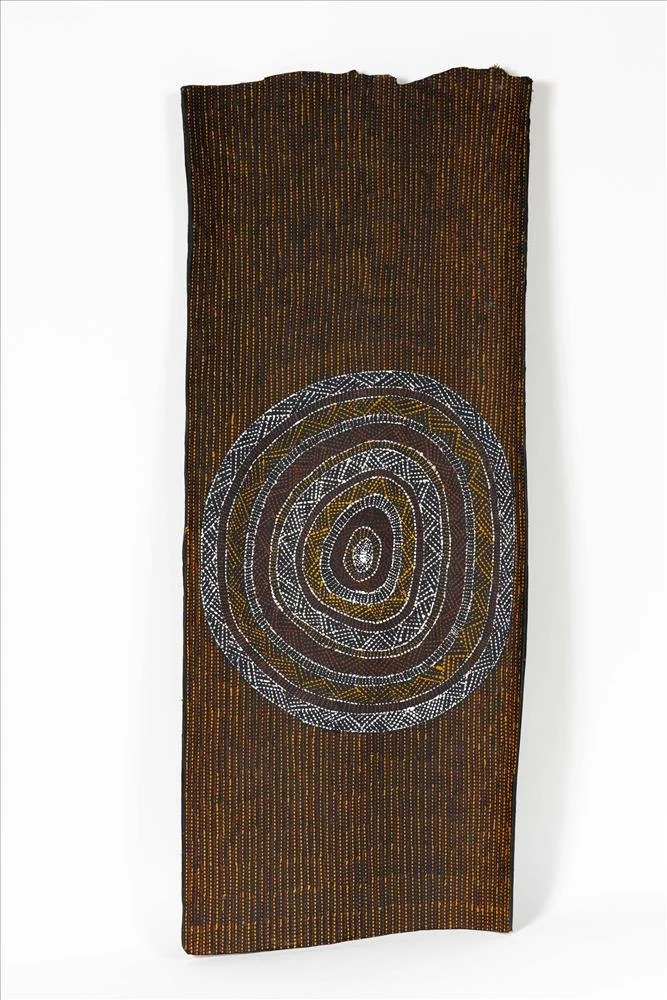
“Raelene Kerinauia has been making paintings using the kayimwagakini (Tiwi ironwood comb) for many years at Jilamara Arts and Craft. She developed her detailed and intricate painting style after viewing older tutini pole carvings in the National Museum (Canberra) by the late Tiwi carver Sugarbag Kapi. The technique is referred to as Jilamara, which translates as “design” that is derived from ceremonial body painting. The ochres are often applied to the body using the ironwood comb. The making of the comb is a skill in itself, and Raelene’s late husband, carver James Tipiloura, carved Raelene’s painting combs.
“I paint with the kayimwagakimi or comb sometimes is called pwoja which also means bone. The painting comb is made from ironwood, part of the tree, and is used to paint on the body, on pukumani poles and on bark. My partner made me my comb, he was an artist, a great carver and I used to paint his carvings and tutini (pukumani poles). He passed away not long ago. I use ochres from the Tiwi Islands for my painting and I mainly just use my comb only sometimes do I use brush.”
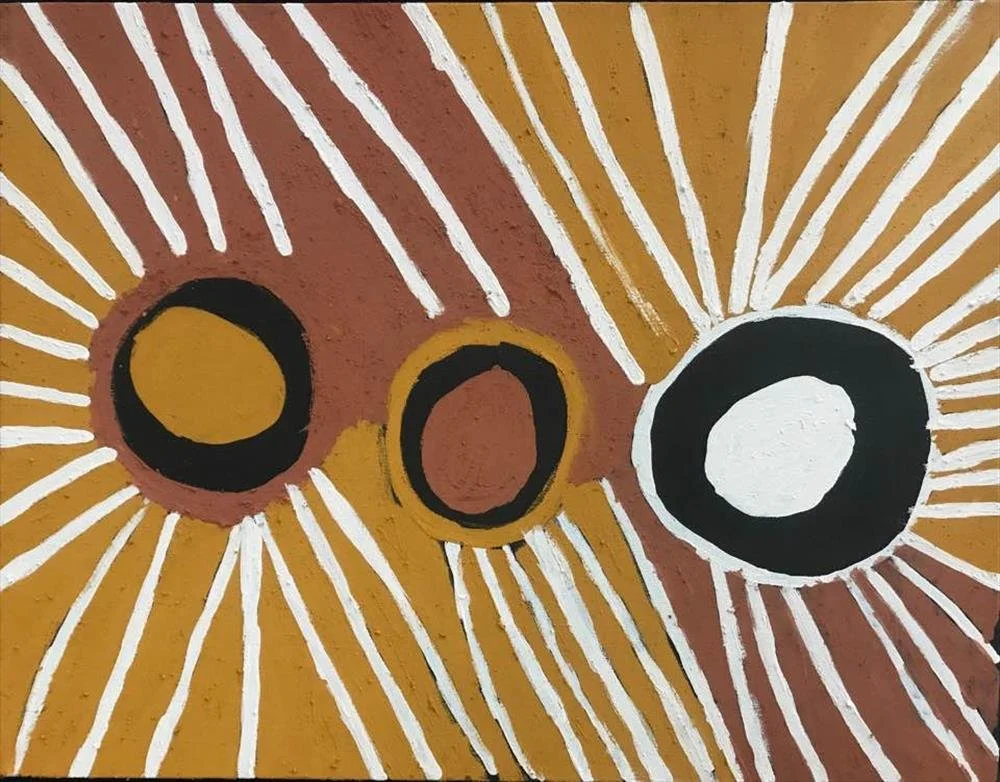
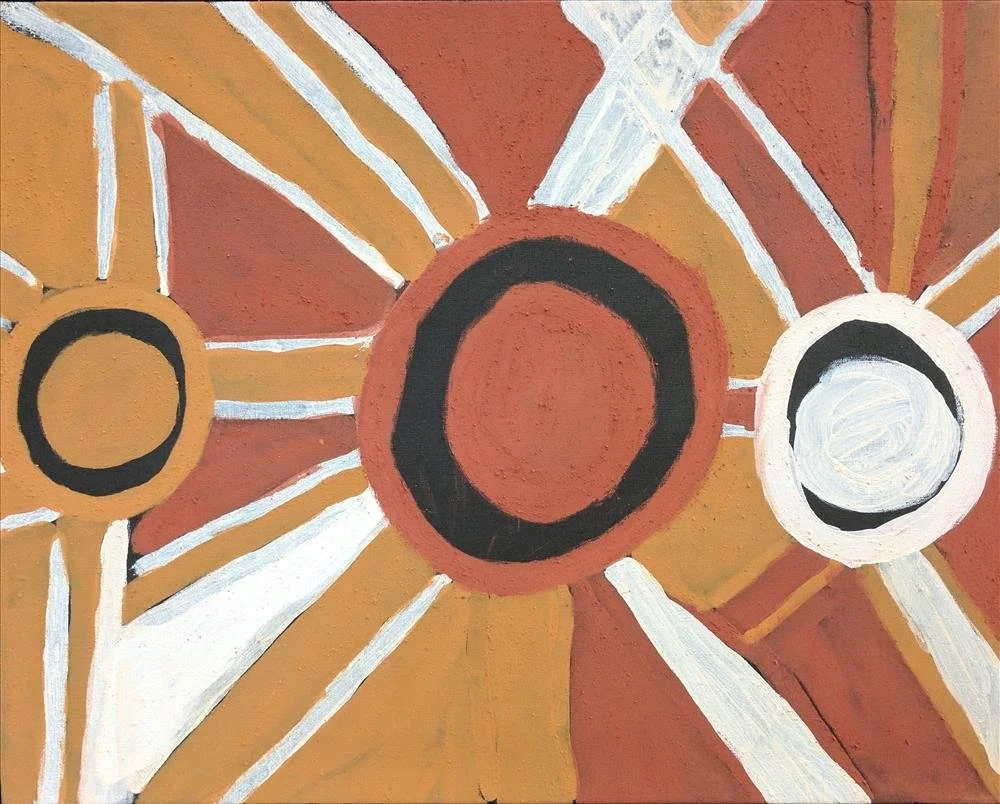
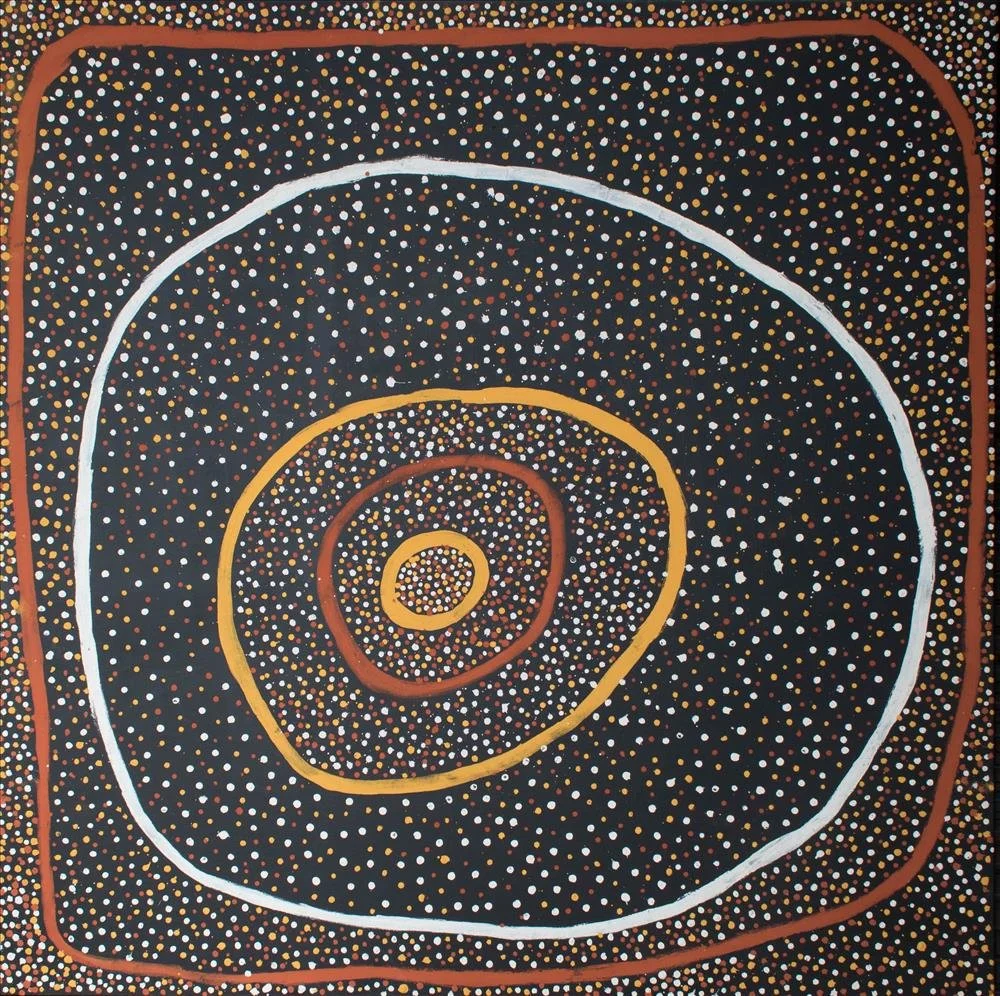
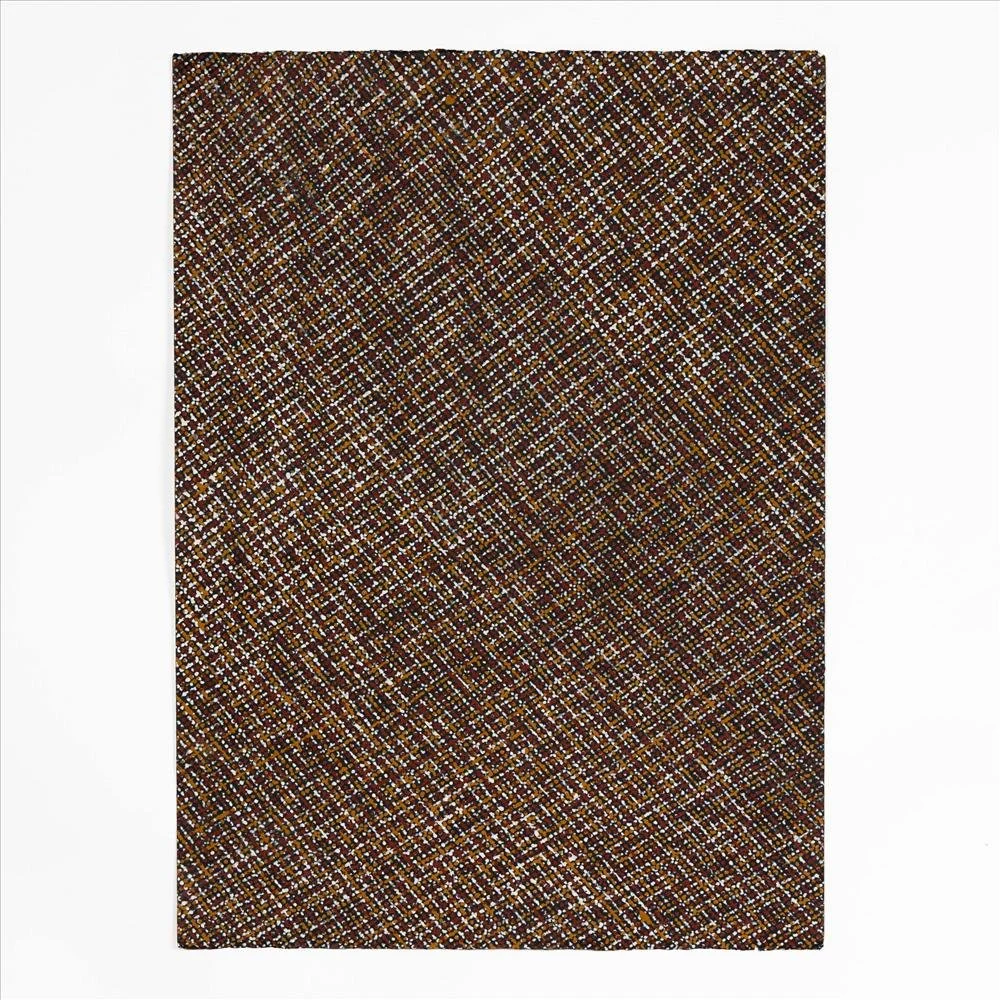
In her latest series of paintings, she has been using these established jilamara painng techniques to depict the complex weaving designs of pandanus mats that she has seen relatives and friends make on the Tiwi Islands in the past. “Not many Tiwi people make floor mat anymore. Its old way. I learnt by watching old lady Mary Magdaline Tipungwu sit on a table weaving a big mat. She was good that lady. Her birthday was last week.” – Raelene Kerinauia
The pandanus mats were dyed with natural colours from two distinct plants that are found around Milikapi. Raelene uses natural ochres sourced locally to create these intricate circular compositions that picture these unique Tiwi creations.
“We get dye from the roots of two plants way out on the back road… We also know it’s the right plant when we are digging because the root is the colour of the dye. We put the roots and pandanus leaves in a pot and boil on the fire. Then we shake the water off and hang it in trees or lie it on the ground and see if the colour sticks. If the colour is not there, we boil for longer.””