
Dapeng Liu ‘In Light We Dwell’
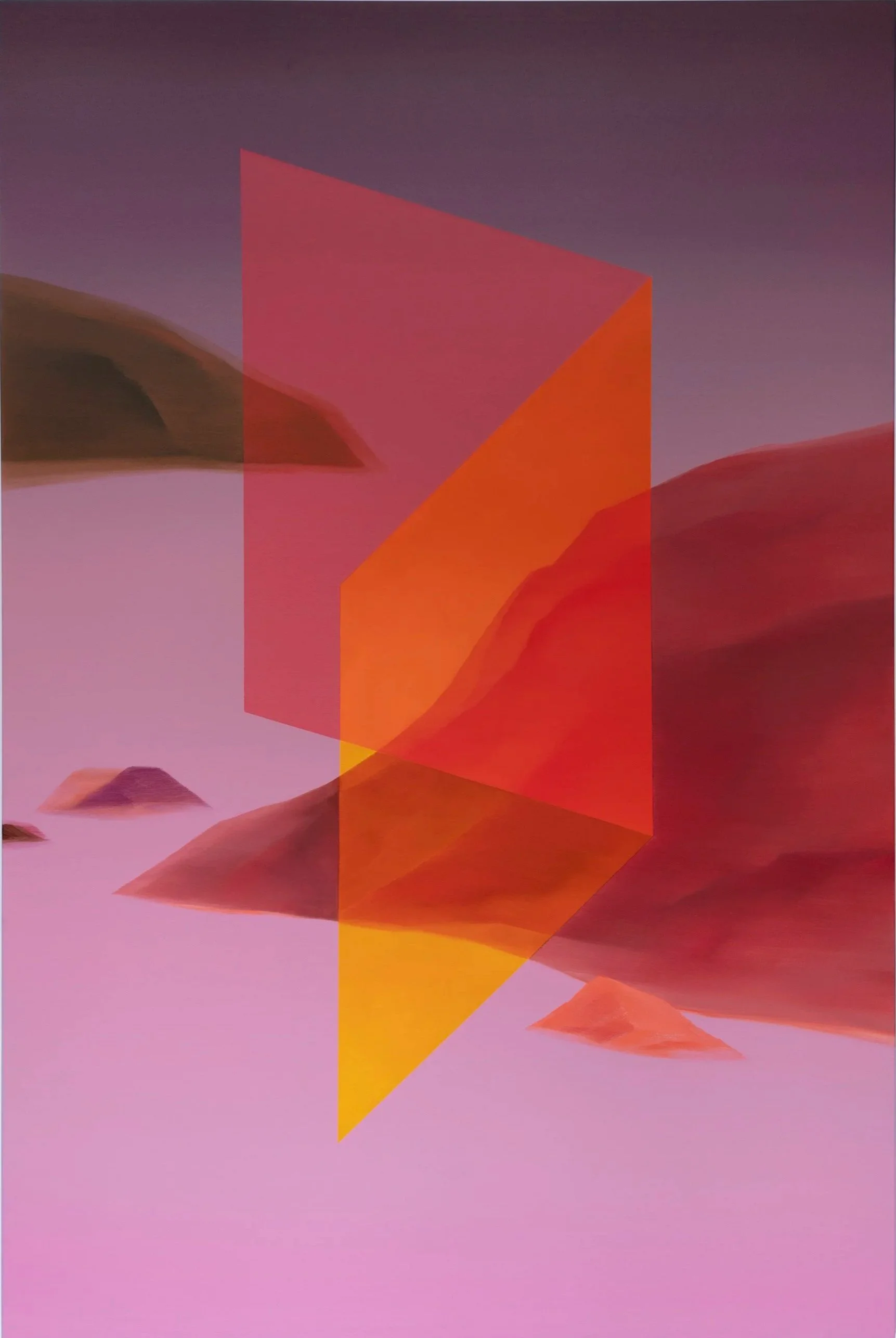
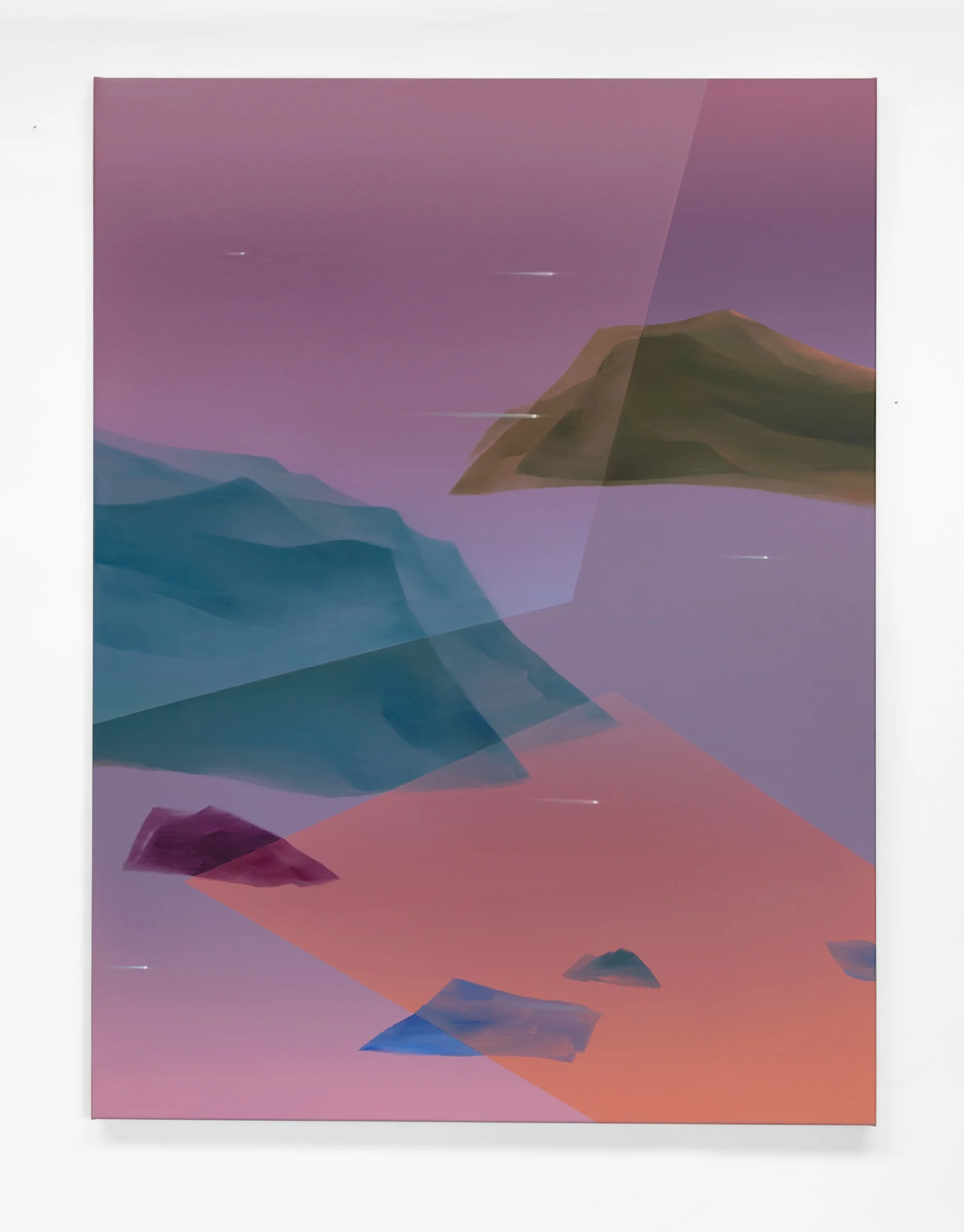
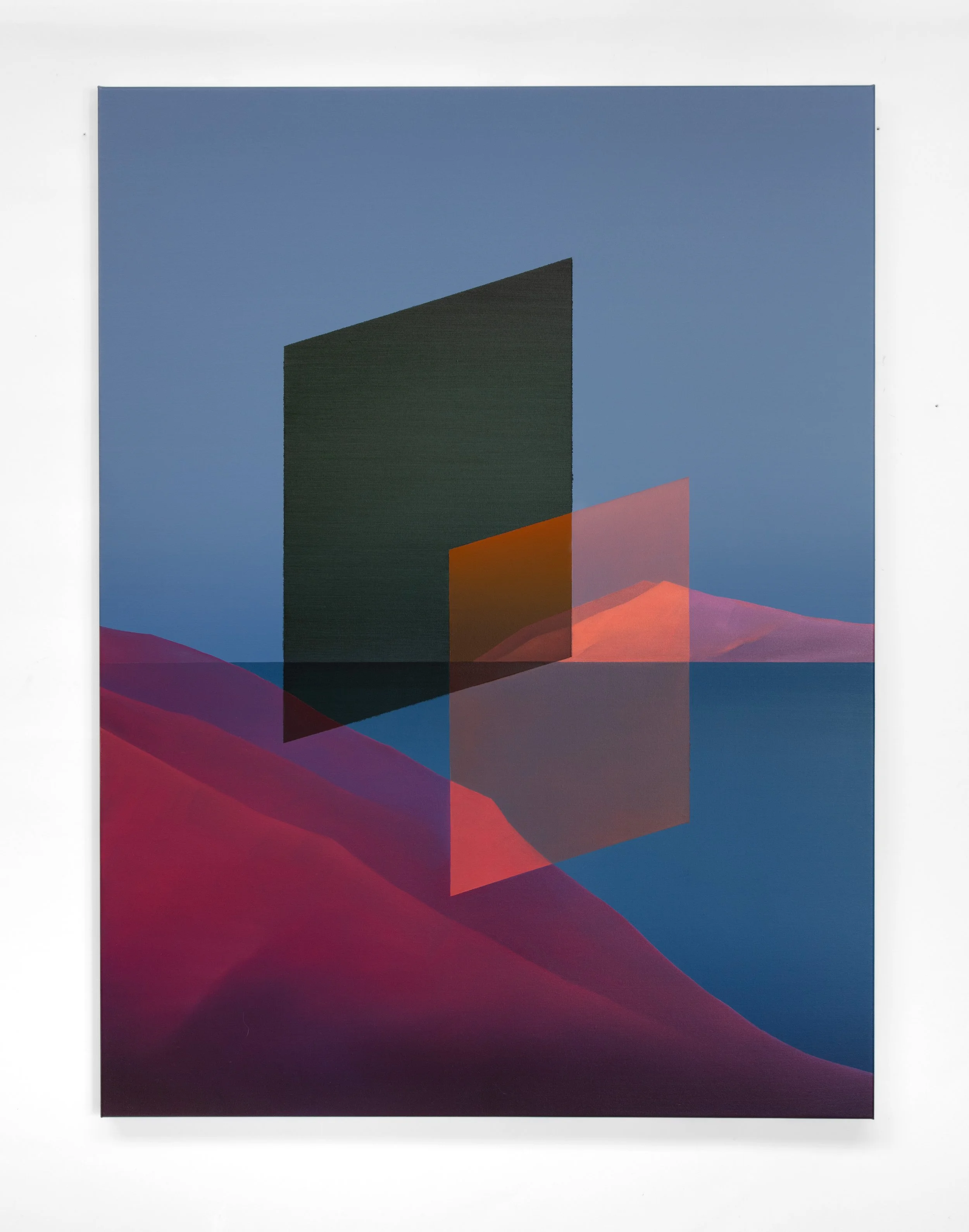
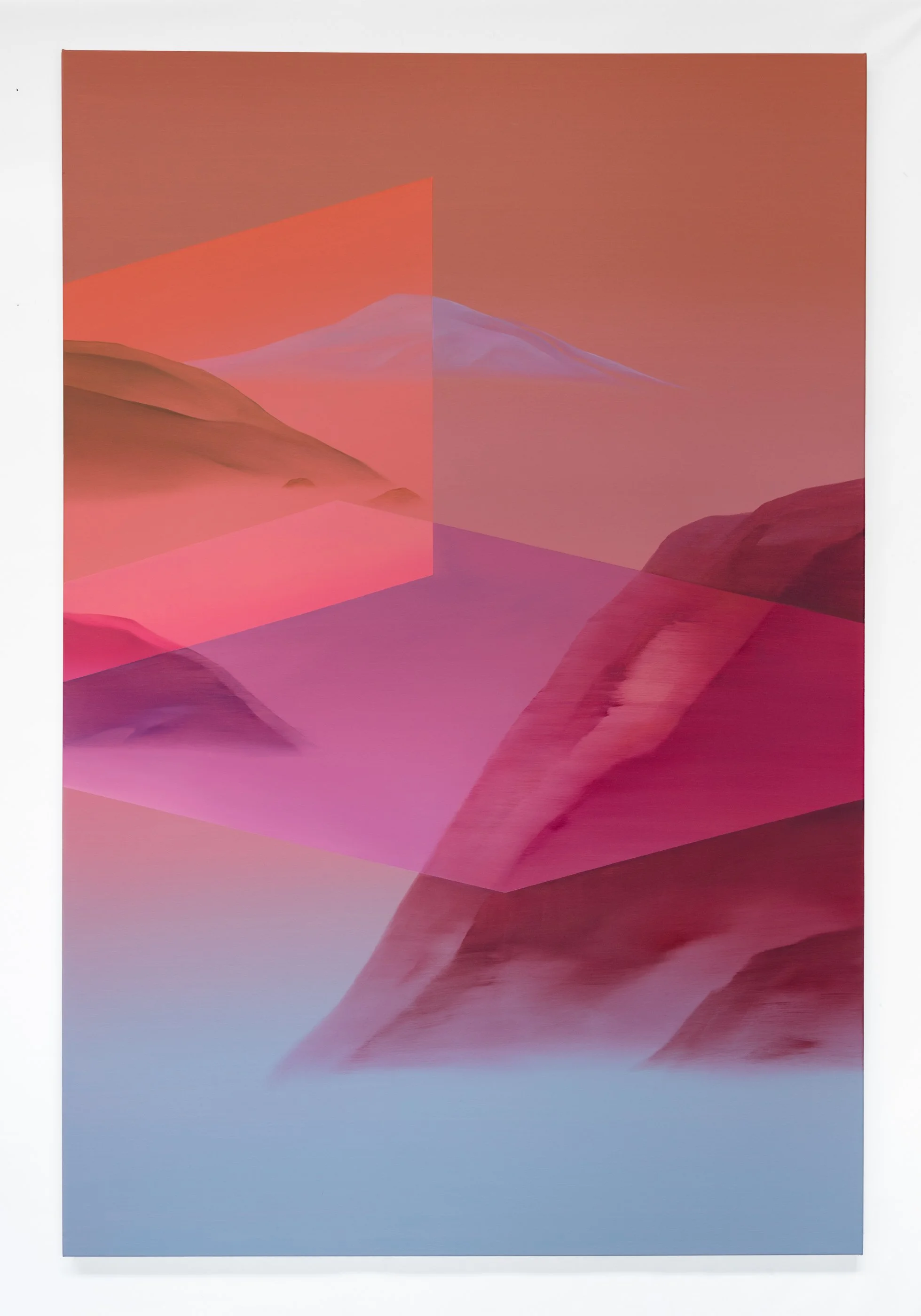
Dapeng Liu, The rest is silence, oil on polycotton, 183 x 122 cm
$20,000
Dapeng Liu
In Light We Dwell
11 September – 2 October 2025
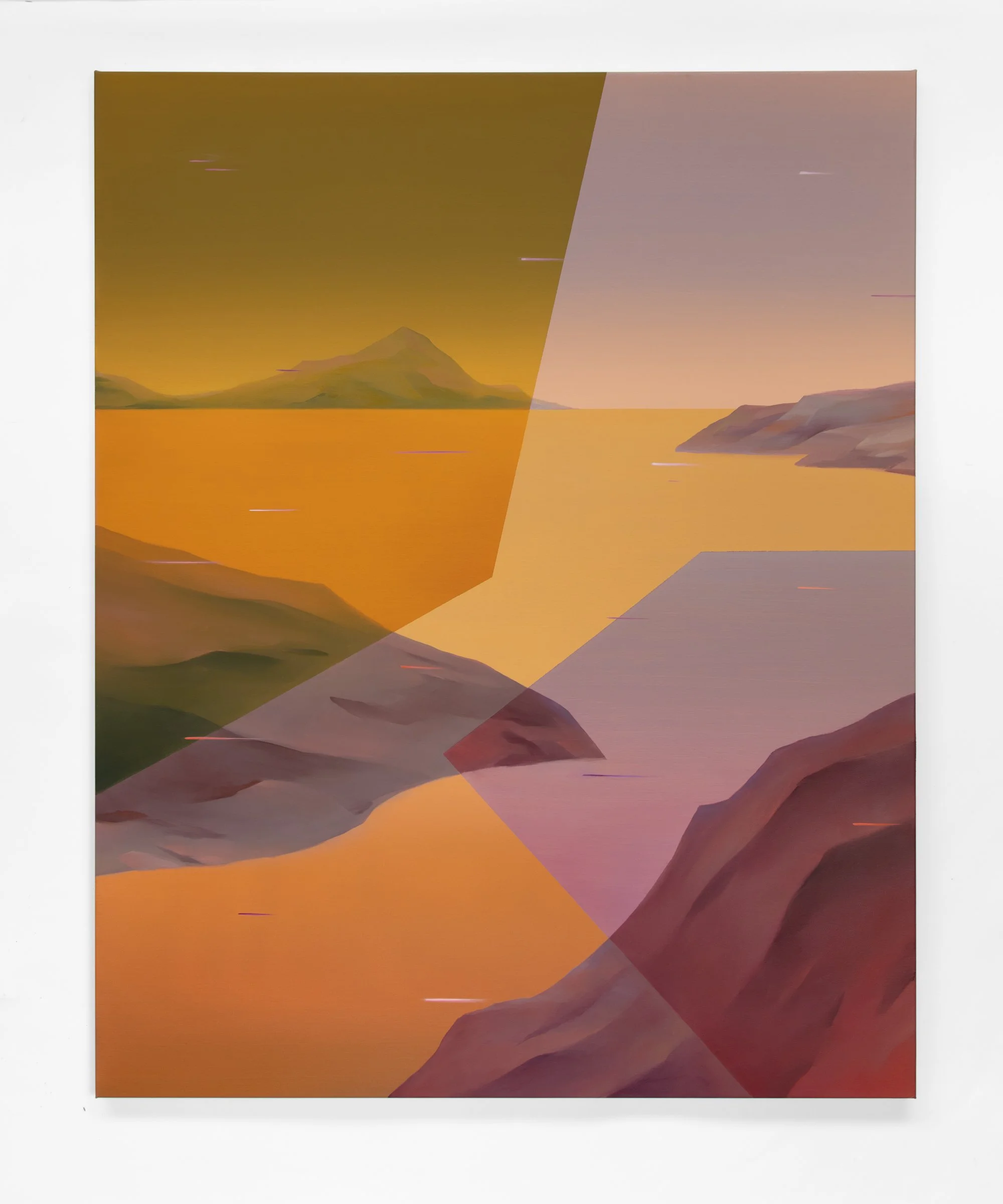
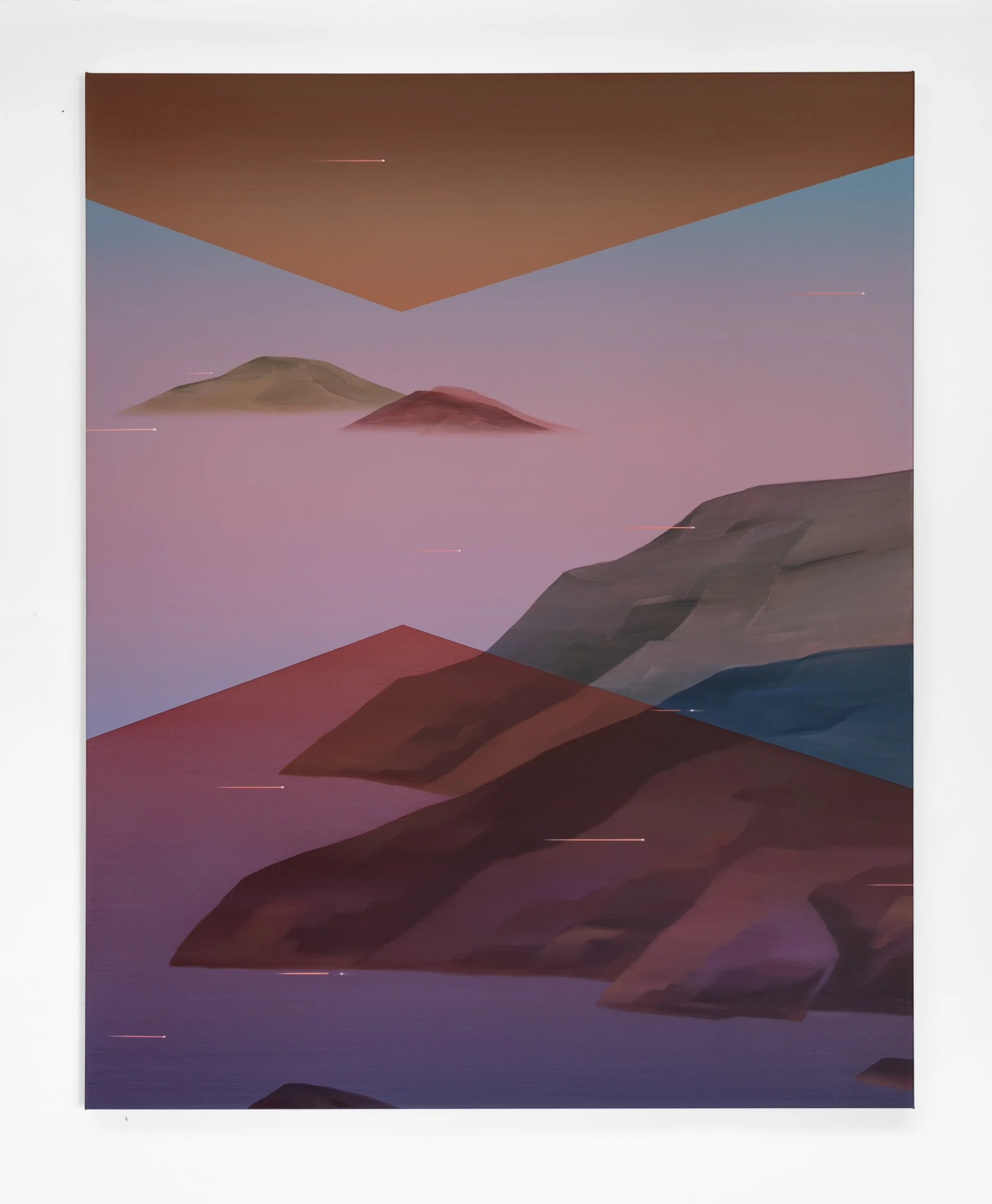
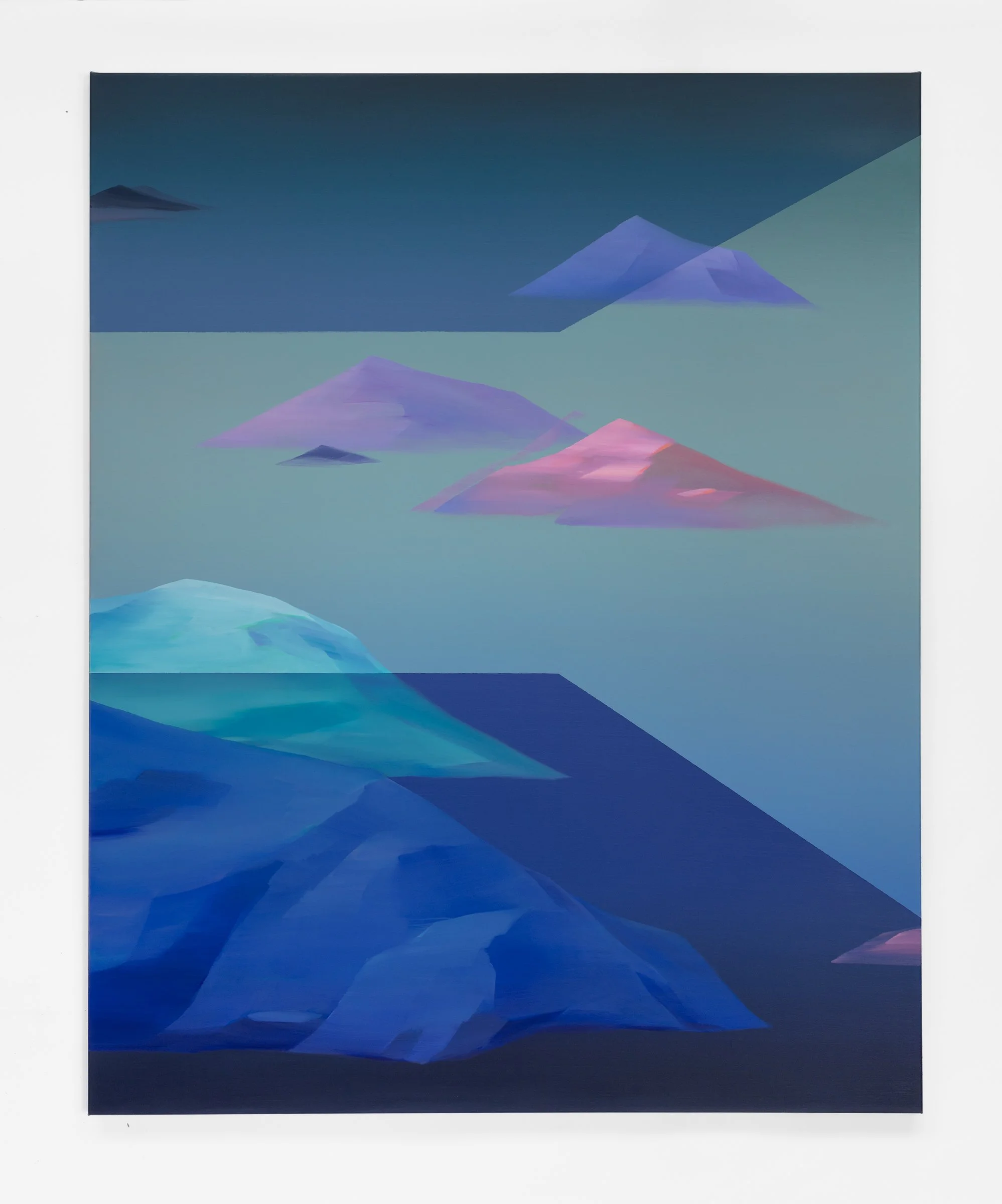
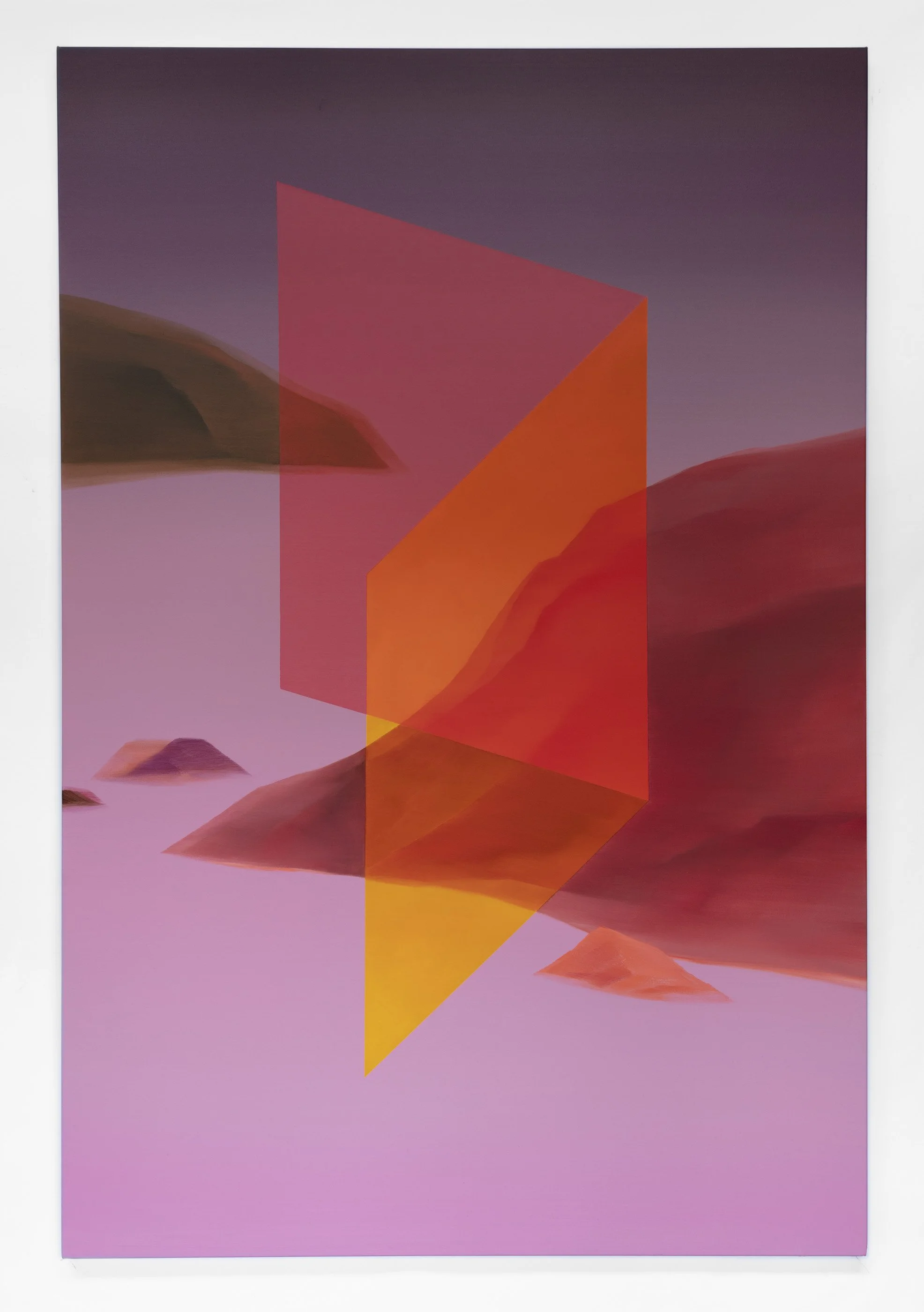
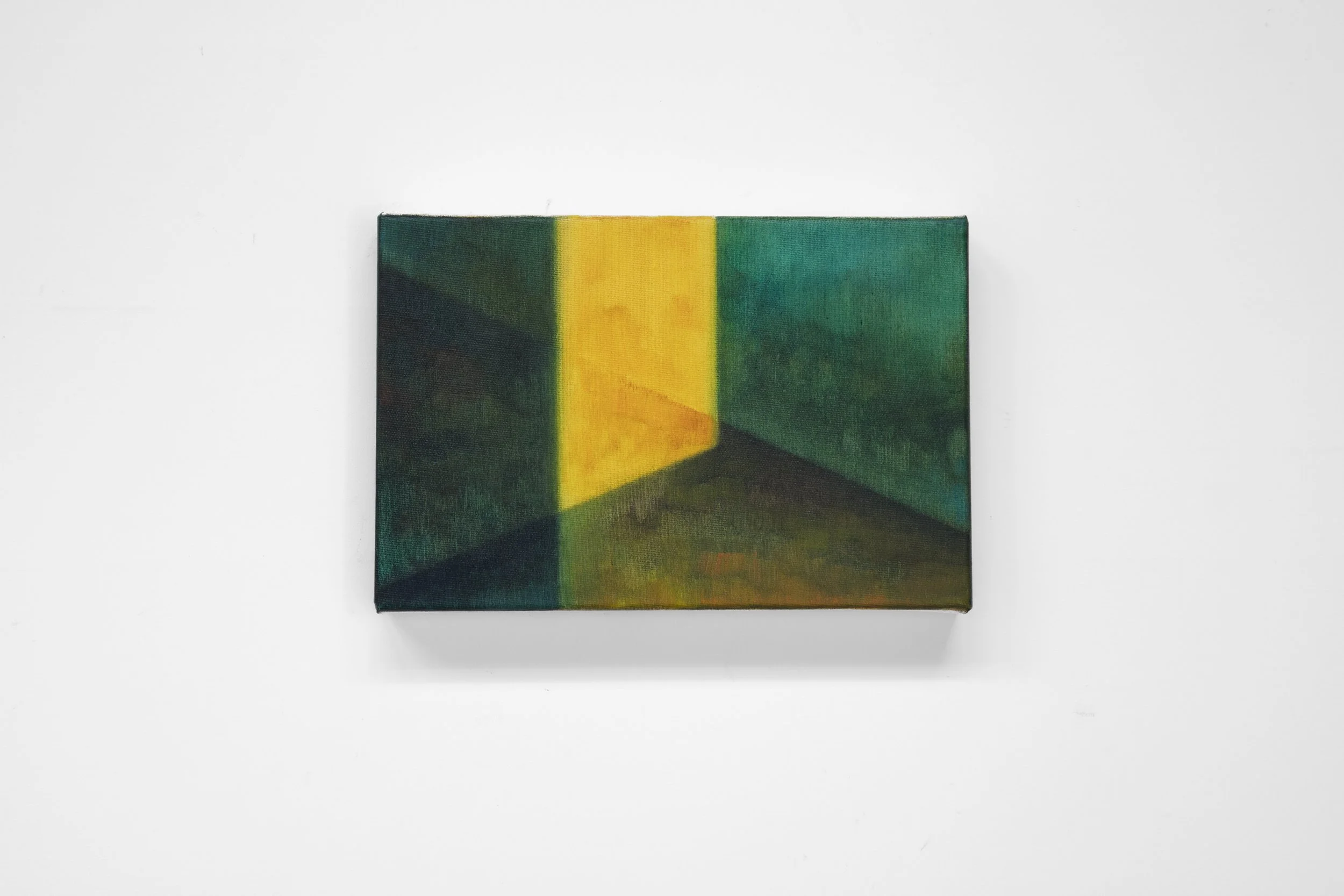
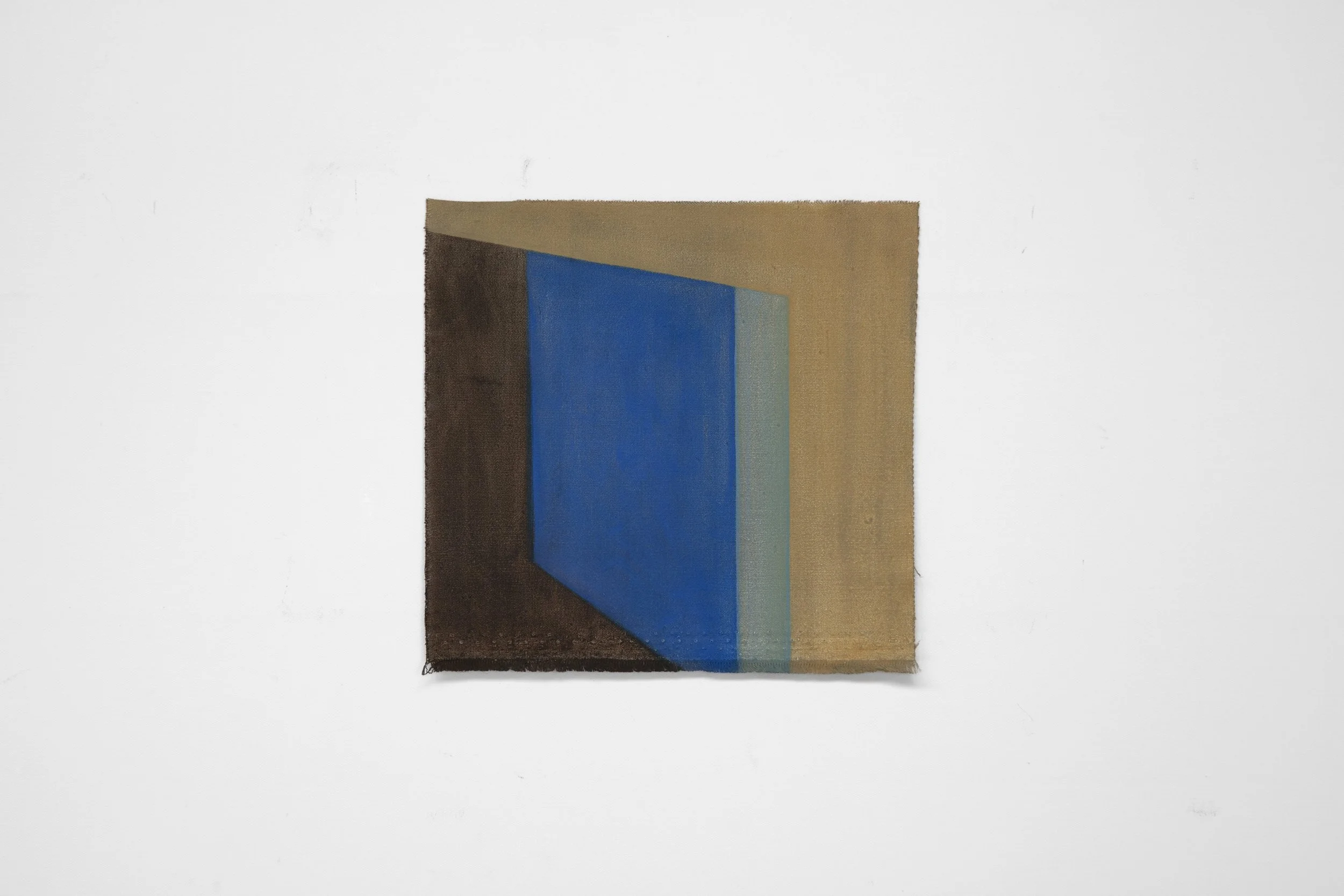
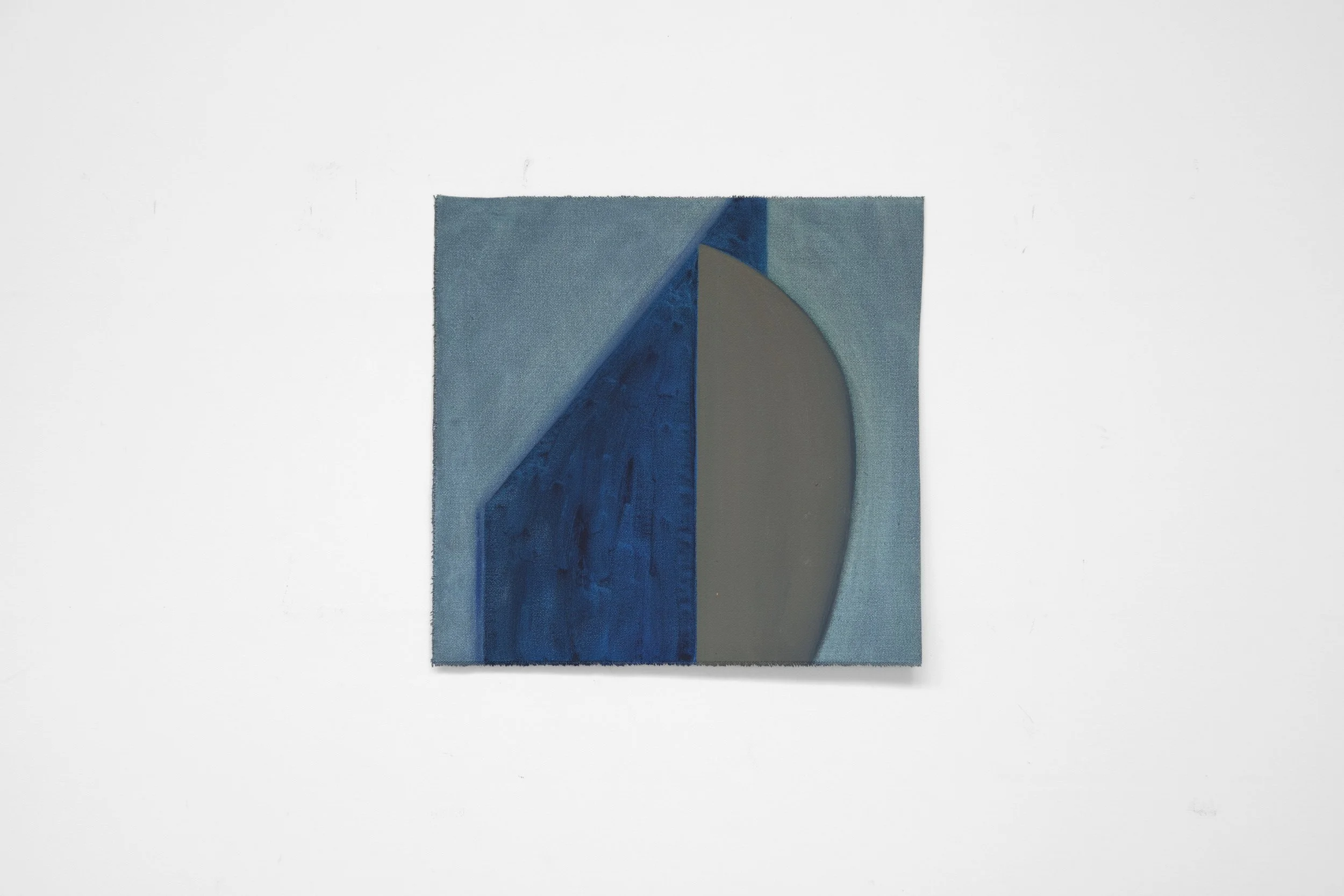
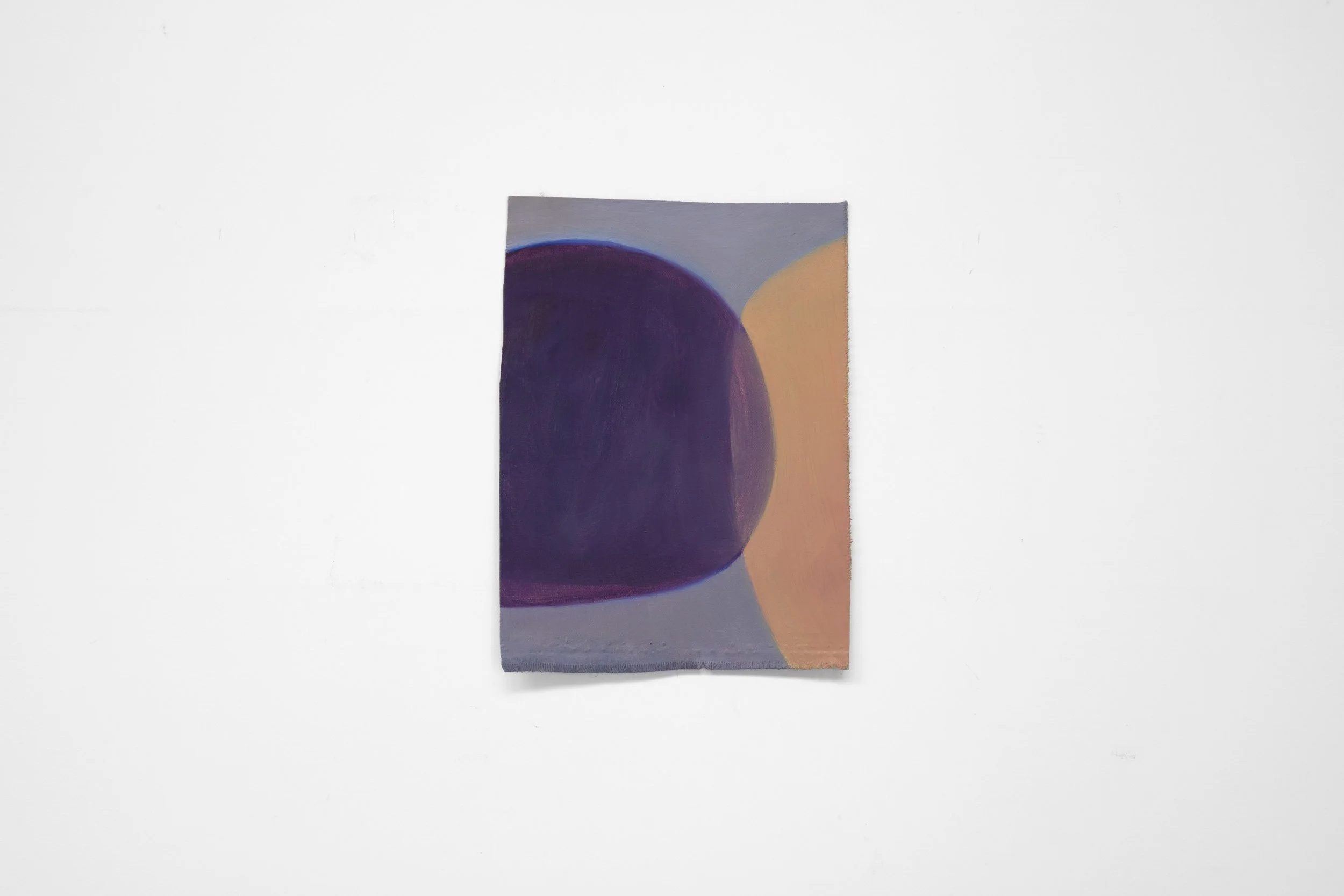
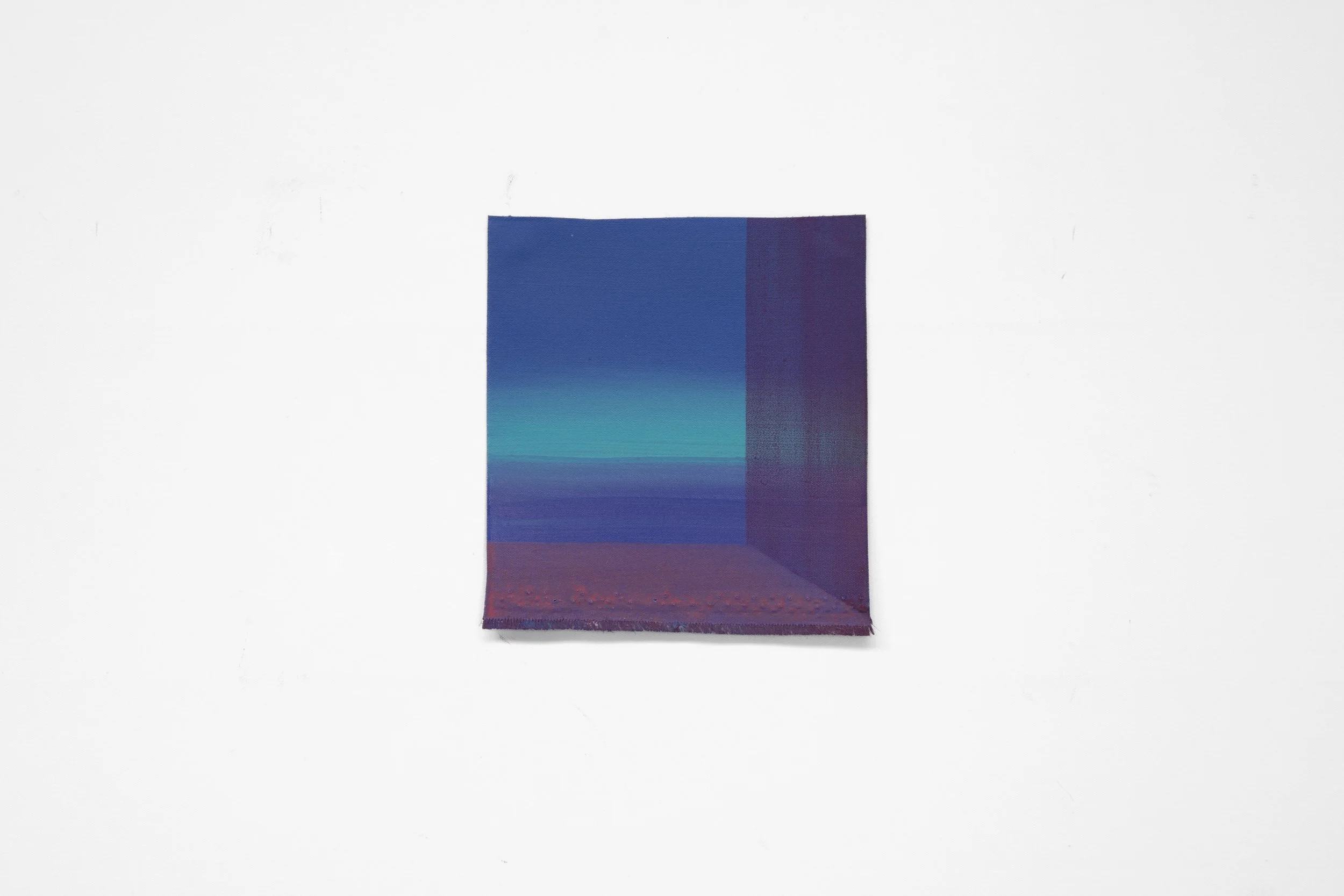
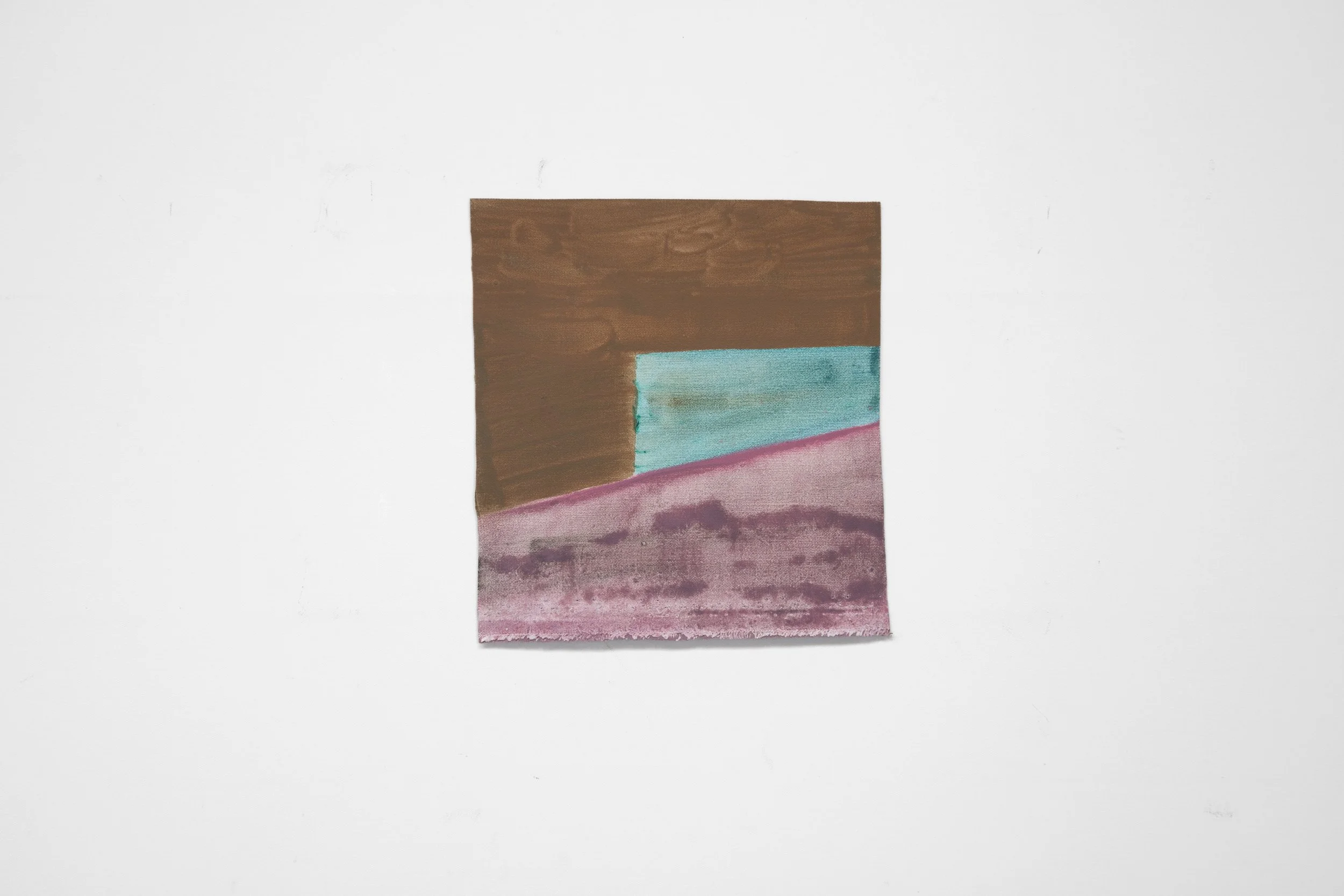
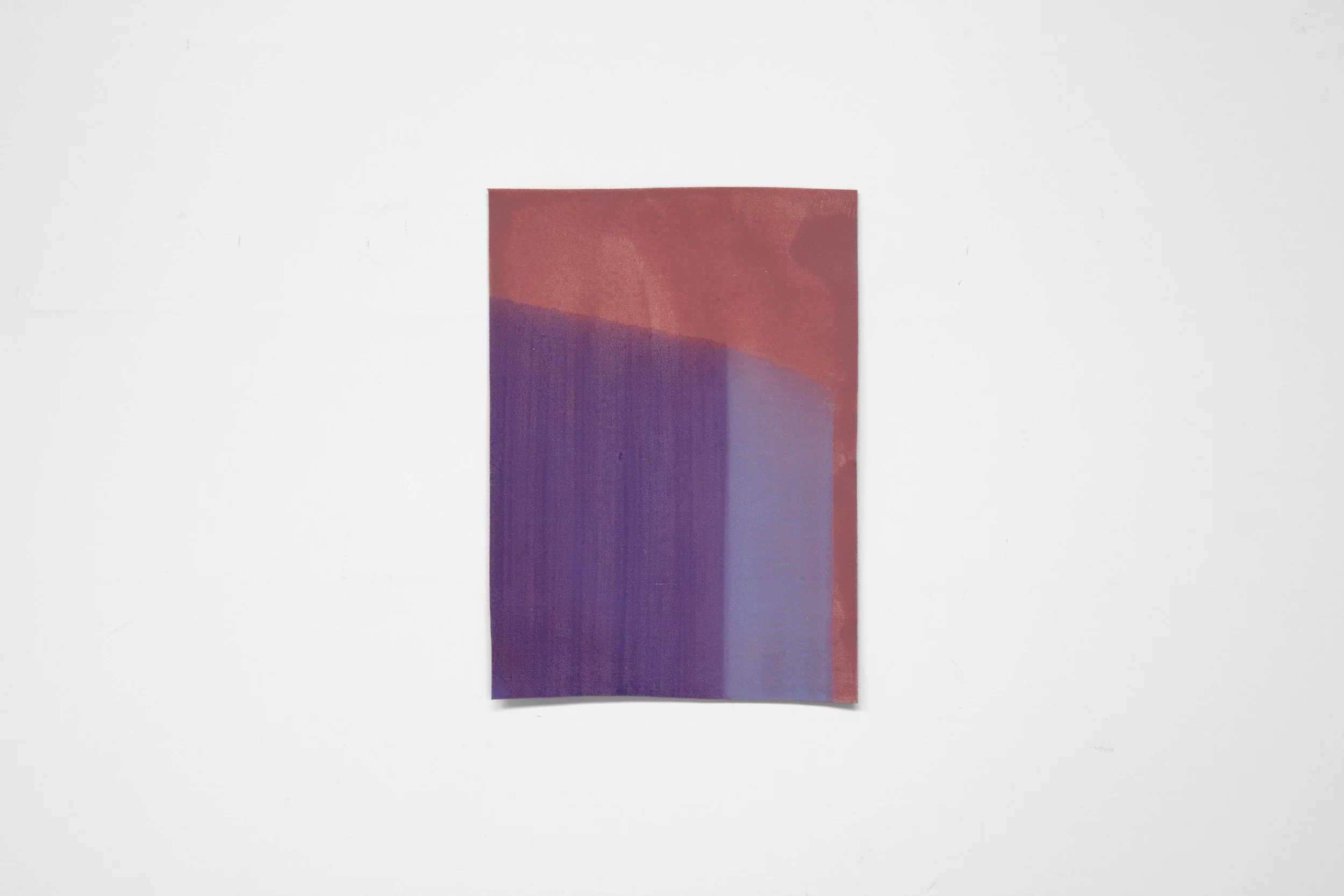
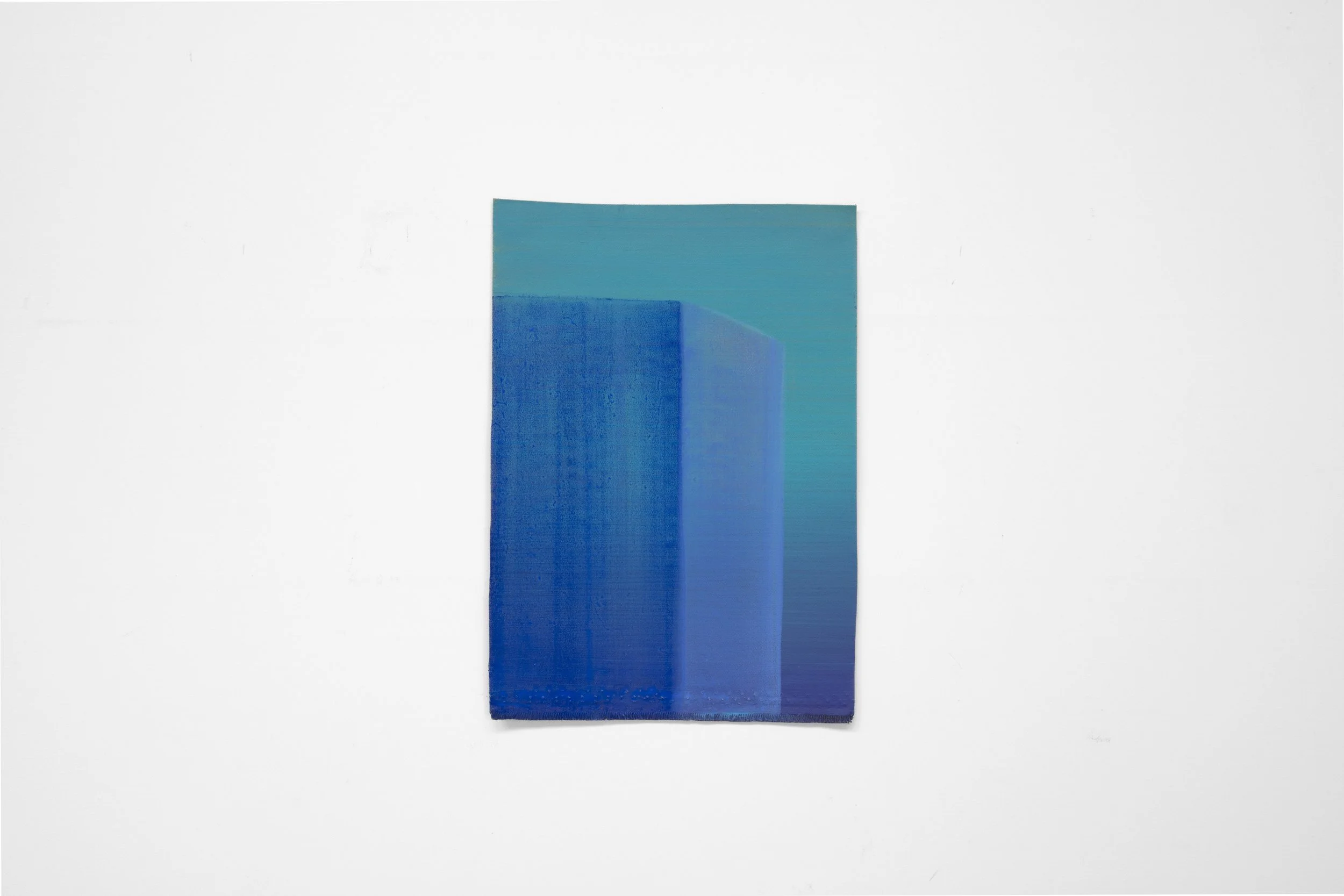
Art Atrium 48 is proud to present ‘In Light We Dwell’, a new body of work by Dapeng Liu that reimagines the traditions of ‘shanshui hua’ — Chinese landscape painting — through a contemporary lens where perception, memory, and imagination converge. Rooted in reverence for the ancient masters, whose restraint revealed profound depth, Liu embraces limitation and simplicity as the deepest source of creativity, countering the overabundance of information that saturates our current zeitgeist.
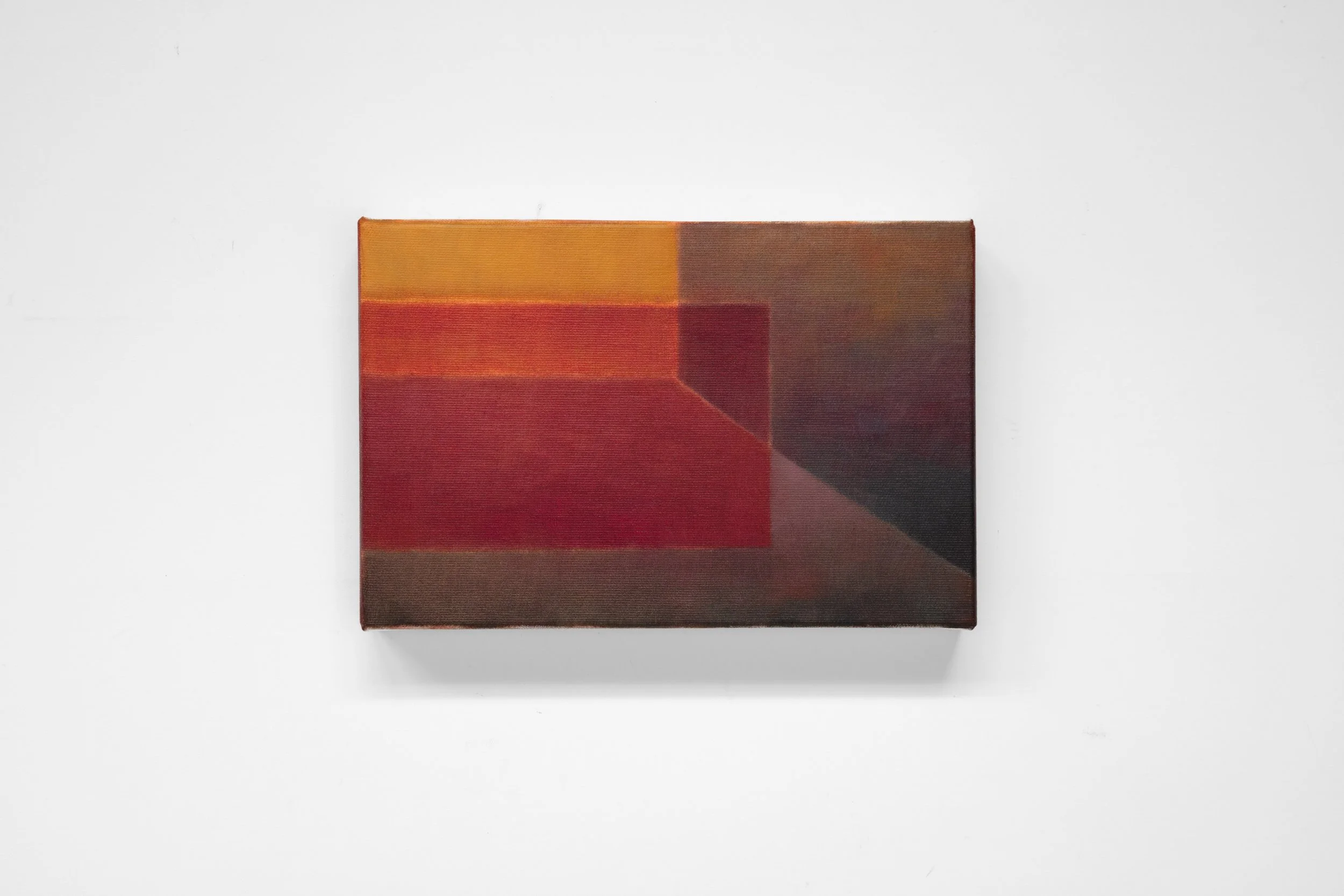
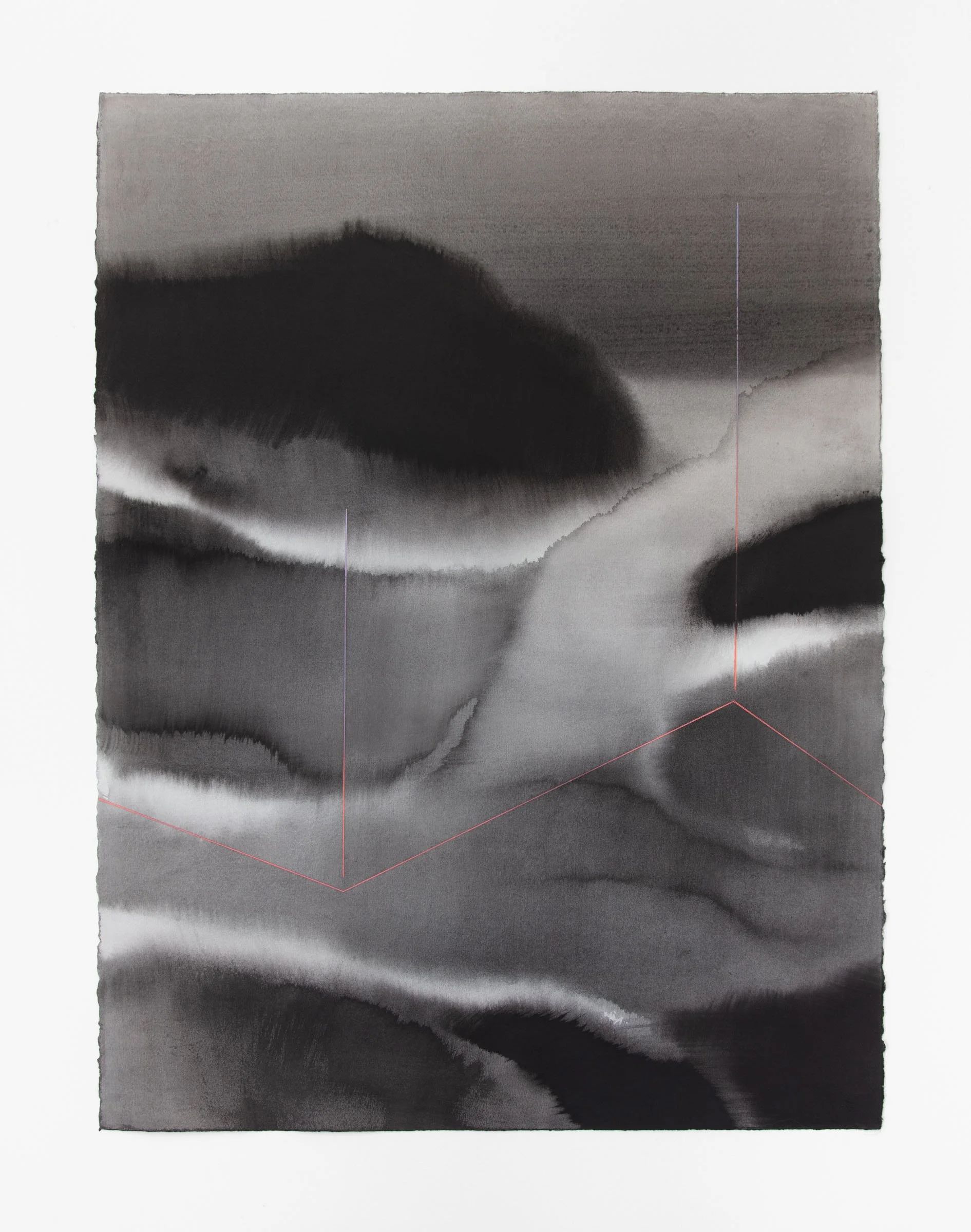
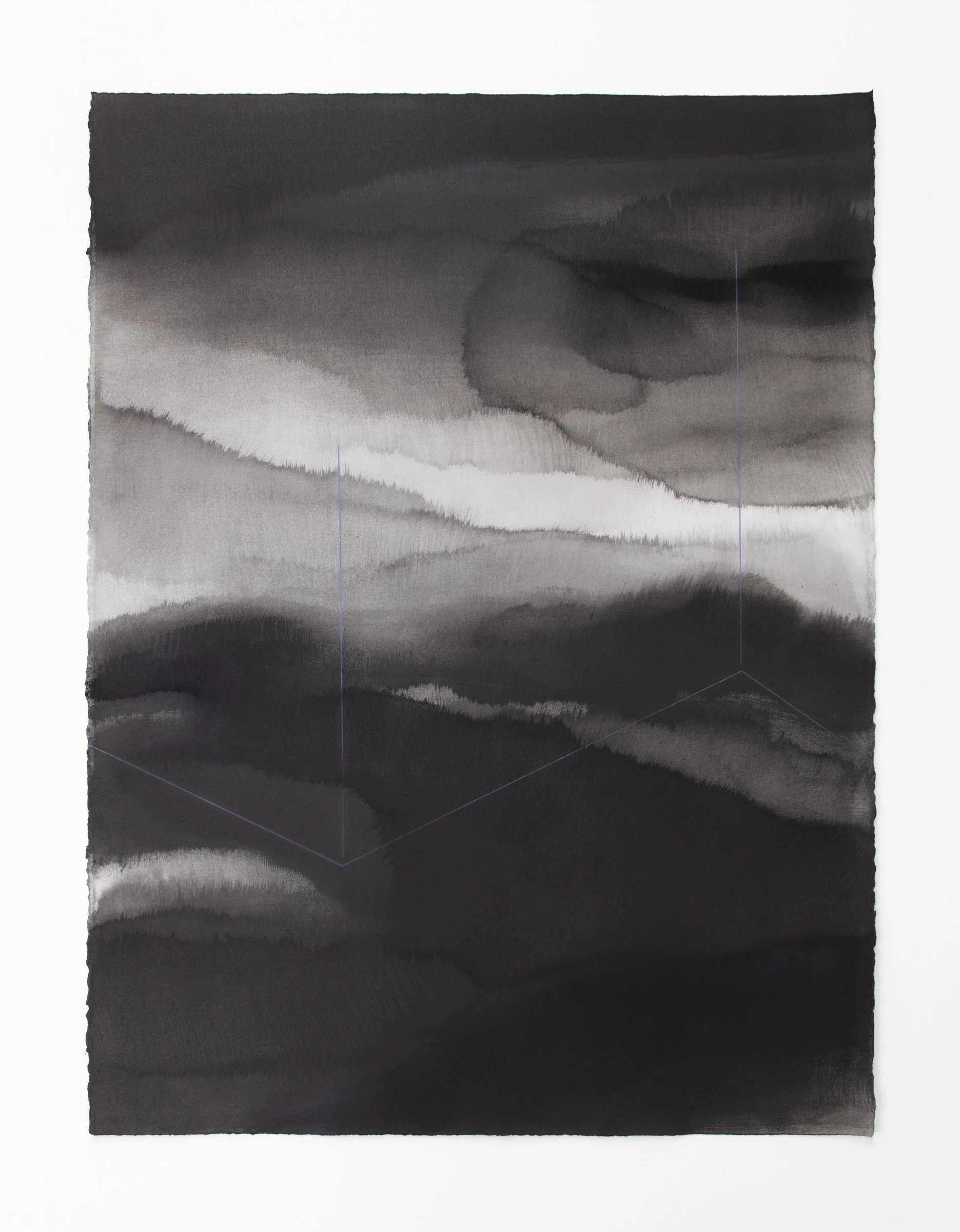
Transcending the boundaries of different worlds — between the imagined and the observed, the abstract and the real — Liu allows memory and improvisation to act as guiding forces in his practice. His compositions distill colour and form to their essence, where geometric shapes intersect with natural rhythms. These structures anchor the pictorial field, casting shadows of the manmade into landscapes that breathe with mountain, mist, and memory. Within this interplay, the canvas becomes a site of balance and tension, where simplicity reveals depth and contrast emerges from harmony.
Ultimately, Liu’s works reflect not only how we shape the world around us, but how it quietly echoes through us in return. ‘In Light We Dwell’ invites viewers into a contemplative space — one that encourages reflection and releases landscape from its ties to territory. Here, the landscape becomes something more expansive: a new way of seeing, sensing and being.
Exhibition Opening
Exhibition Opening to be launched by:
Katherine Roberts
Senior Curator, Manly Art Gallery & Museum
Thursday 11 September 2025
6:00 - 8:00 pm
Artist Talk
Dapeng Liu
Shuxia Chen
Senior Lecturer and Curator, UNSW School of Art & Design
Saturday 20 September 2025
2:00 - 4:00 pm
About the Artist
Born in Beijing in 1982, Dapeng Liu started to draw and paint from a very early age. Moved to Australia in 2007 and currently residing in Sydney, Dapeng became a full time artist in 2014, and working primarily with oil and water based mediums. On the path of his artistic exploration, through experiments in colour, representational and abstract forms, as well as different techniques of perspective, Dapeng interrogates and depicts the tension between old and new, East and West, as well as natural and manmade.
Dapeng studied visual communication in his Bachelor degree followed by an MA by research degree in art history from the University of Sydney, where the Federal Government awarded him an Australian Post Graduate Award (APA scholarship). Dapeng’s research examined both traditional Chinese art and culture as well as the modernisation of art in China. This experience in art history has enabled Dapeng, as an artist, to critically engage with his main subject of creation- mountainscapes and waterscapes, that subsequently led to his larger question- that of the relationship between nature and humankind.
A three-times Archibald Prize finalist (2022, 2021, 2014), Dapeng’s highly commended piece Portrait of Yin Cao on blue-and-green landscape was among the top six shortlisted finalists of Archibald Prize 2014. His works are held in private and public collections in Australia and internationally.
Artist Statement
“We live in an age of images. Never before have artists been so immersed in this endless sea of vision. When I first turned to the traditions of shanshui hua, Chinese landscape painting, I felt a quiet blessing: at my fingertips, almost any image could be summoned, every peak and stream within reach. Yet the deeper I immersed myself in these mountains and waterfalls, rocks, foliage, small houses and wandering figures, the more reverence I felt for the ancient masters. Their paintings were born only of what they had seen in real life and what they held in their hearts - simple, unembellished, yet inexhaustibly profound. It was then I understood: limitation and simplicity may be the deepest source of creativity, a truth easily obscured today, when we live not in scarcity but in overabundance of information.
The origins of this body of work trace back to 2021, when geometric shapes first appeared in my landscapes and began to converse with the natural forms. I cannot fully explain why it began. Only that among the countless images of Chinese painting I studied, it was always the recluses’ little houses, tucked deep in mountain valleys, that lingered with me the longest. Within those modest dwellings, the screen dividing the entrance and the inner space often captured my imagination, and many of my geometric forms have grown from this.
These little houses seemed less like structures than sanctuaries of the heart, offering a place free from disorder and quietly radiating peace and comfort. For me, the dwelling and the mountain that shelters it became a metaphor: a reminder that just as the recluse found harmony in the surroundings, we too can find connection with our own internal landscapes.
In this body of work, I continue to drift between worlds - the imagined and the observed, the abstract and the real. Here, memory and improvisation are my compass, shaping colour, composition, and the distilled simplicity of form. Geometry anchors skies and water, casting shadows of the manmade into landscapes that breathe with mountain, mist, and memory.
These paintings are rooted in contrast, but born from harmony.
I do not live among mountains as the old masters did, nor am I a painter of the open air. My encounters with nature are more transient: the sunrise and sunset glimpsed on daily drives, the quiet illumination and shadow that arrive without warning and leave me changed. Perhaps what guides me always is light, a truest bridge to the natural world. It shapes these works as fragile balances between the rational and the organic, permanence and evanescence.
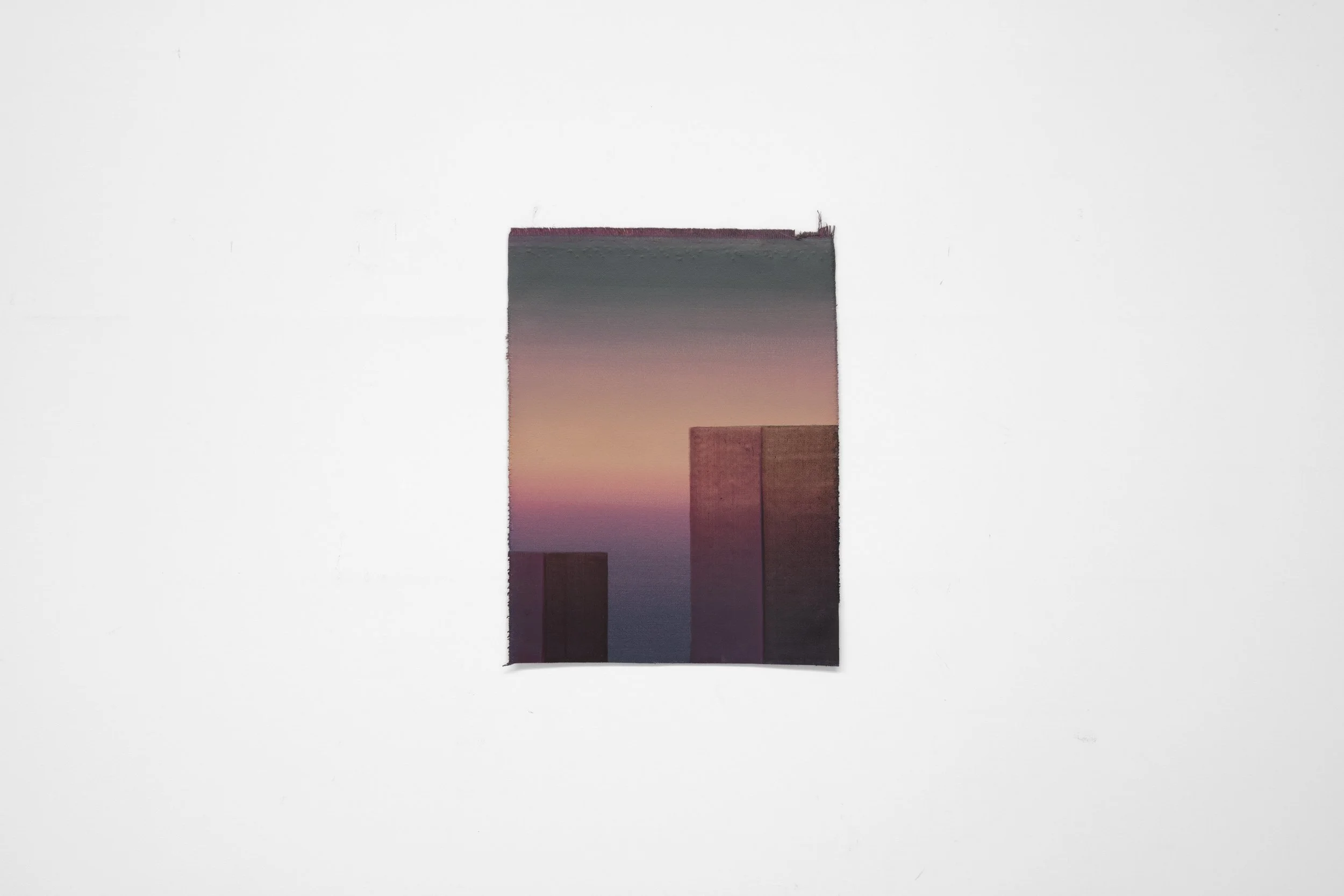
Influenced by colour field painting, my palette leans into the surreal: colours not found in maps, but in fleeting skies, when clouds stretch thin at dawn, or the sun slips behind hills at dusk. Perspective is scattered, like traditional Chinese scrolls, where vision meanders and time is unpinned. Multiple viewpoints fold into one another, creating a space both deep and still, layered yet seamless. The hard-edged shapes are softened by the translucency of their own colour planes, dissolving boundaries between presence and absence. These forms speak of reason, of plans and consistency, set gently against the ungraspable softness of nature.
In the end, these works reflect not only how we shape the world around us, but how it quietly echoes through us in return. I hope they offer viewers a space to pause and reflect, where landscape is no longer bound to territory, but becomes a way of seeing, sensing, and being.” — Dapeng Liu
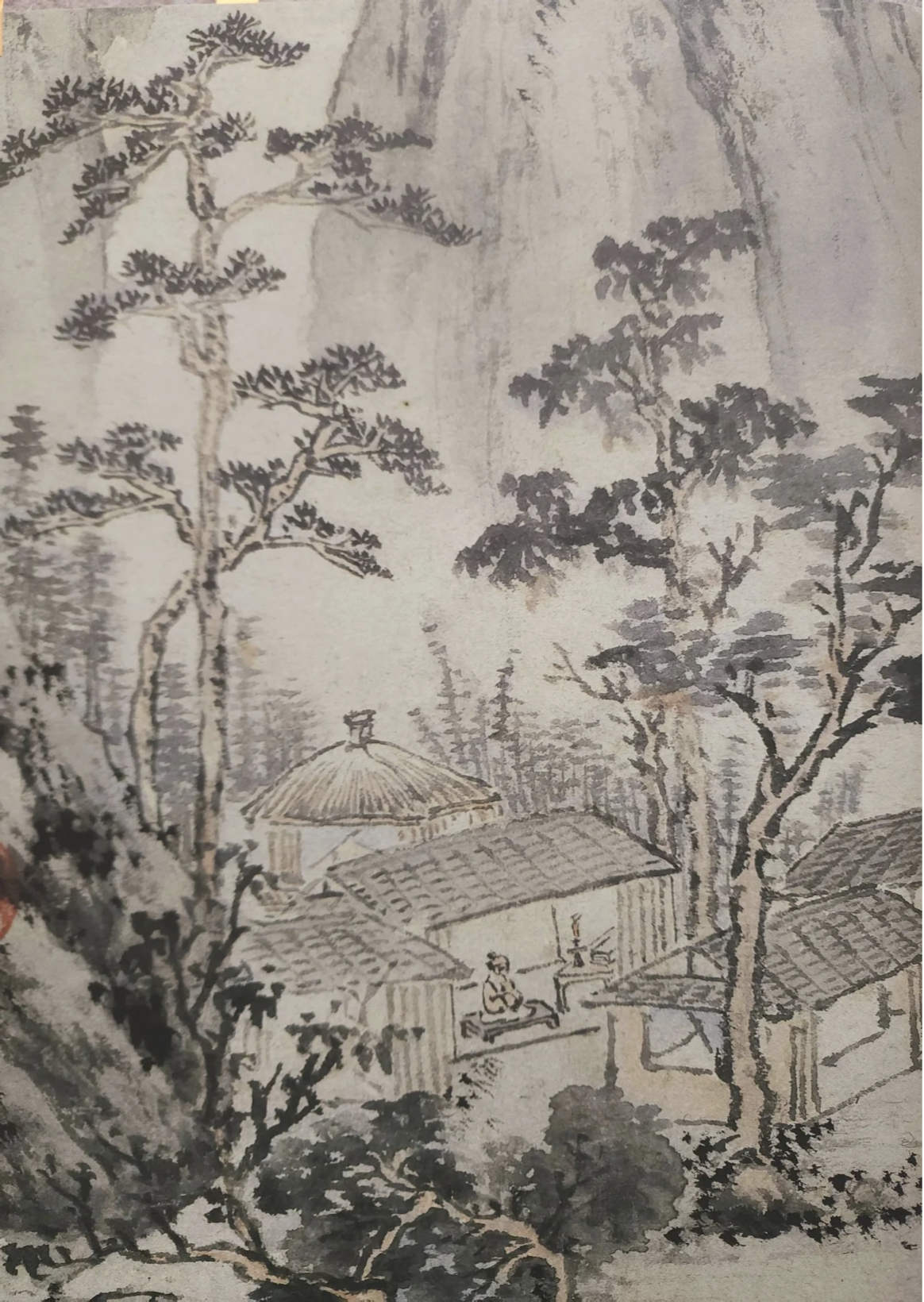
Shen Zhou (1427-1509), Night Vigil 夜坐图 (detail), Ink on paper, 1492
ARTWORK
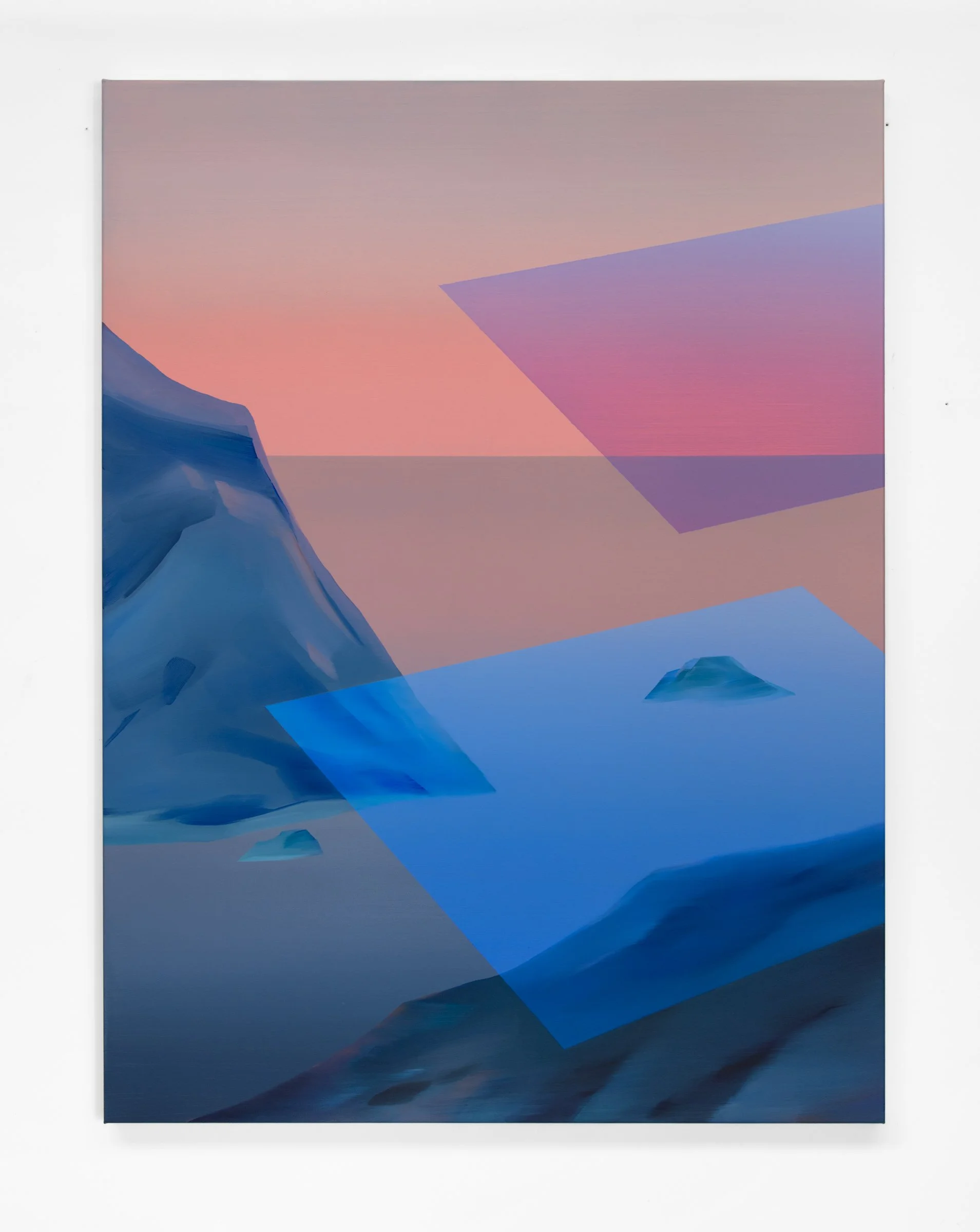
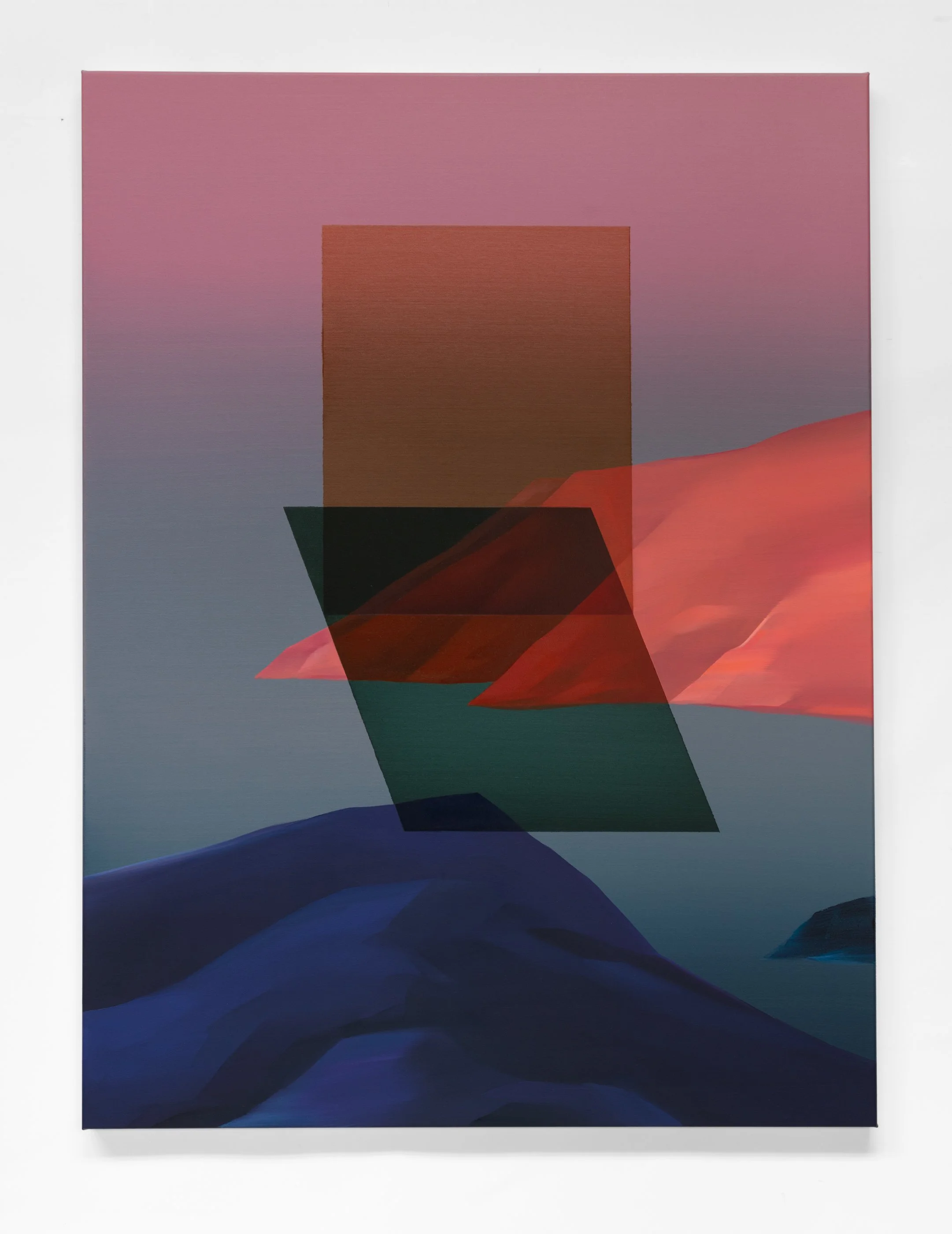
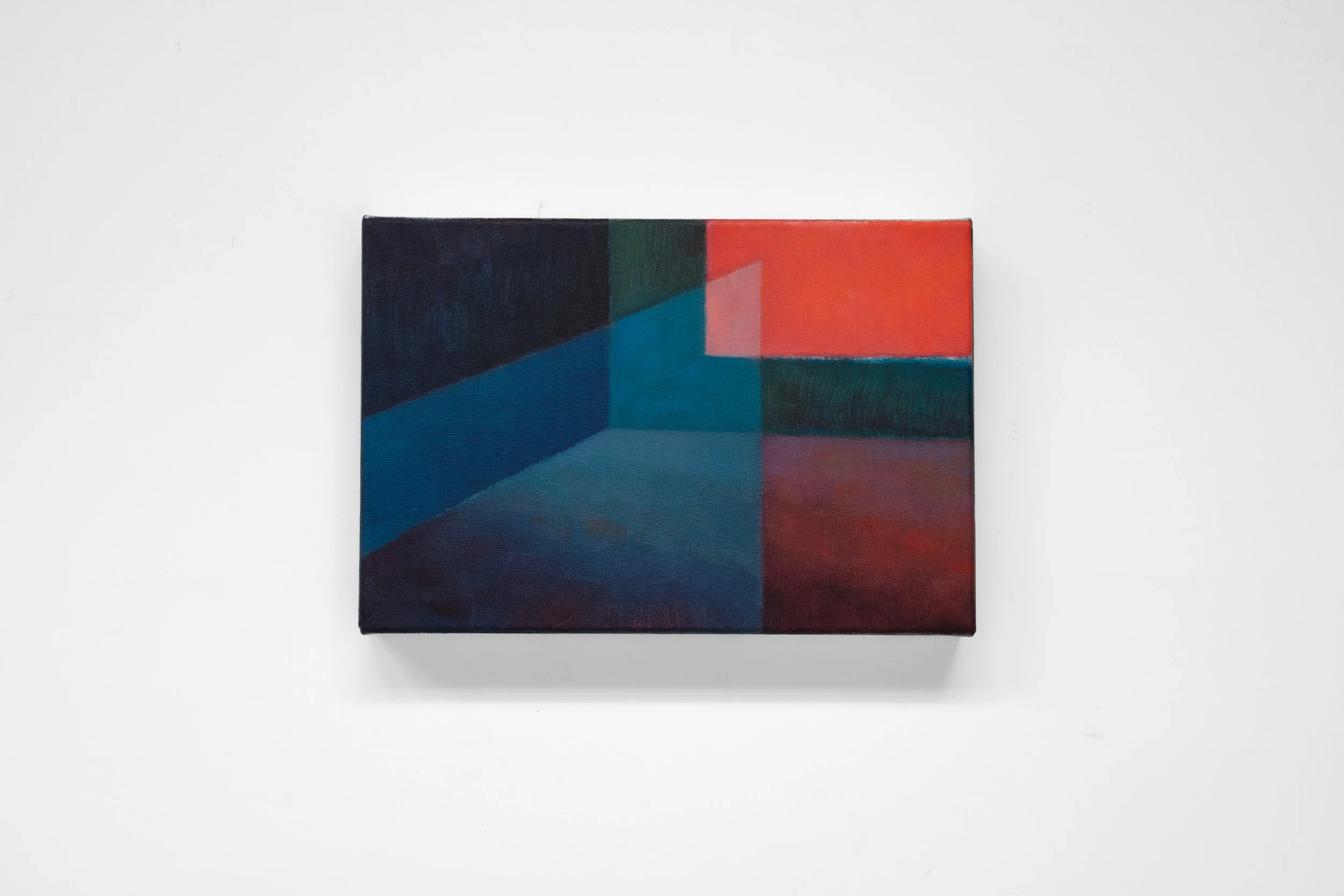
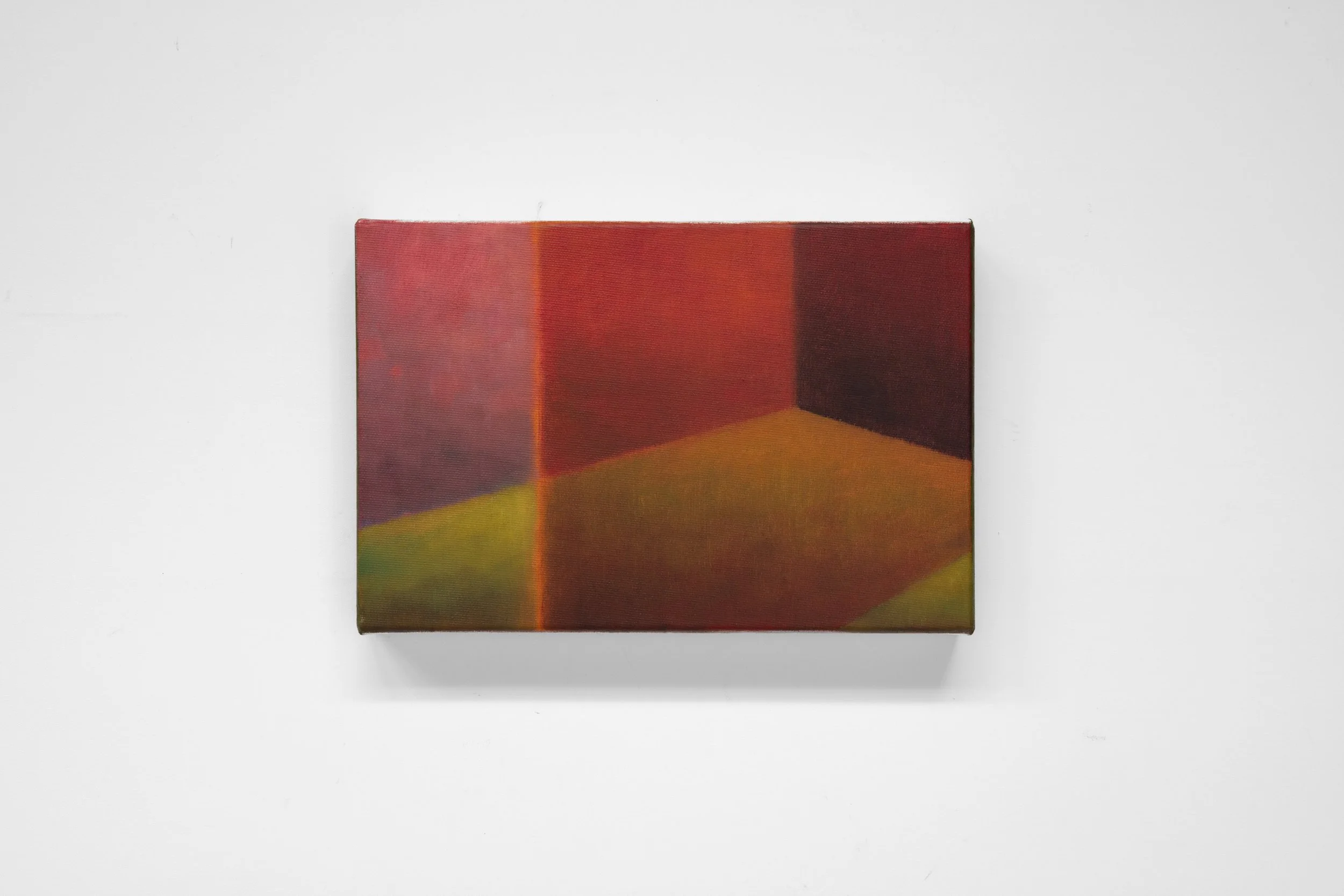
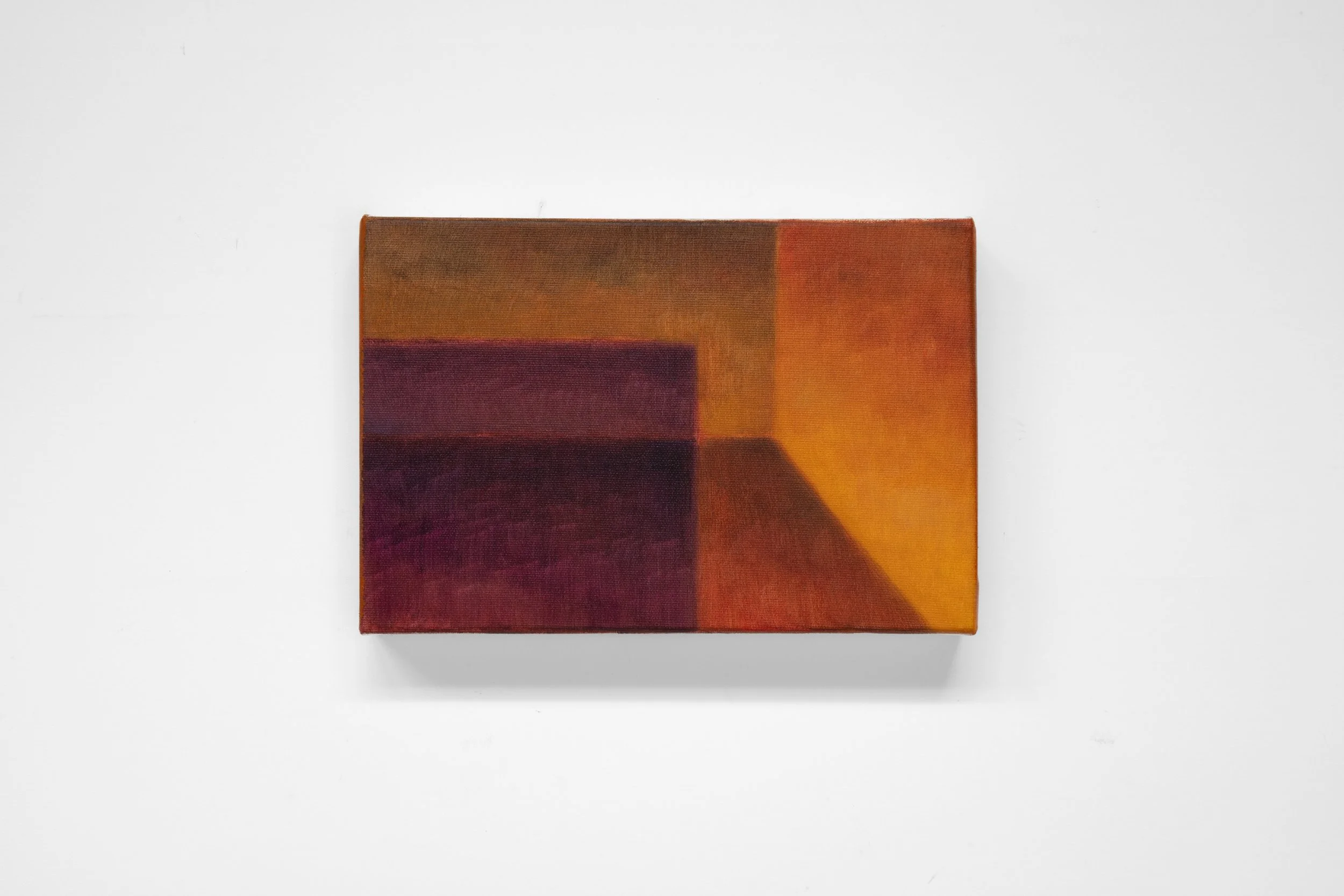
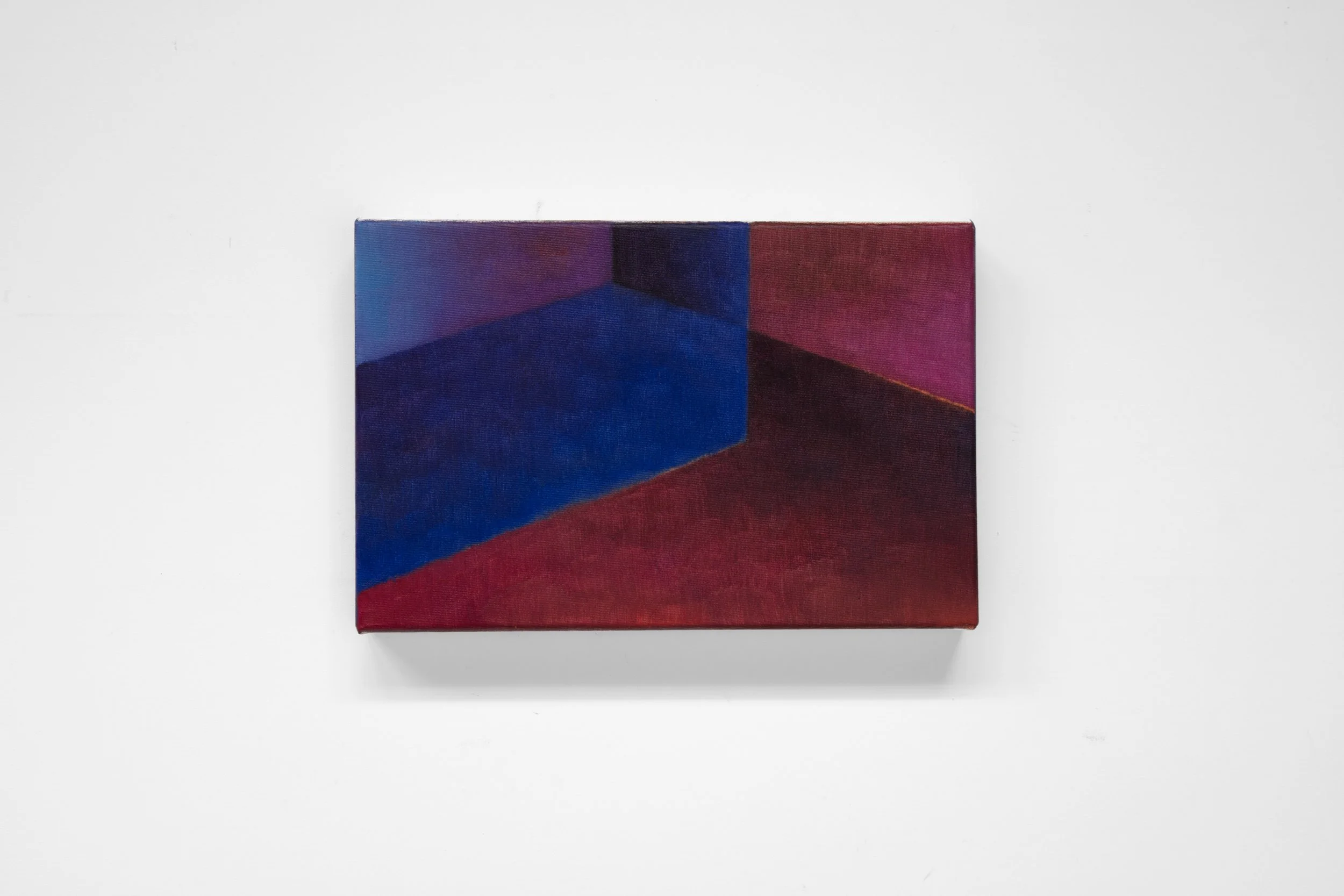
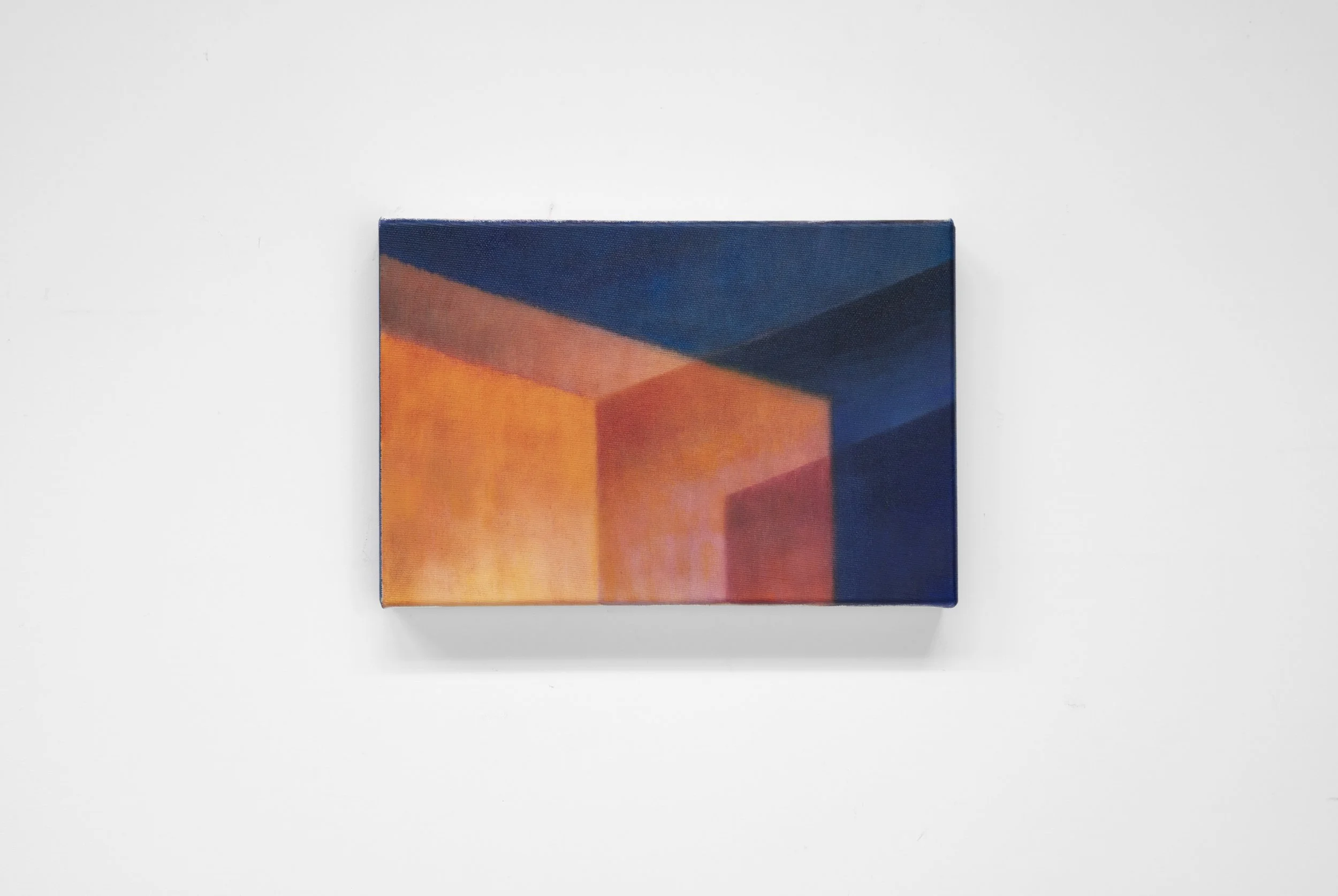
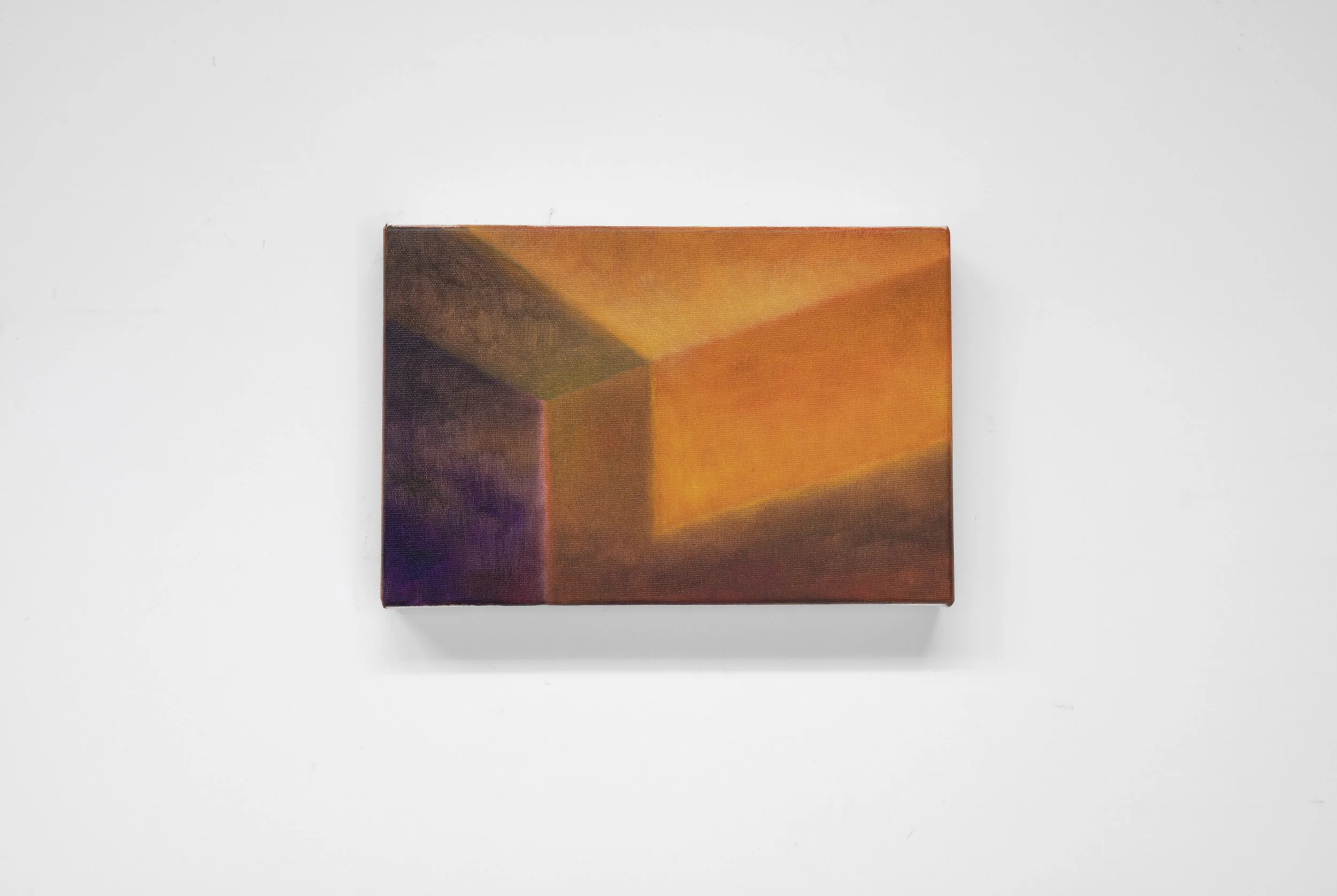
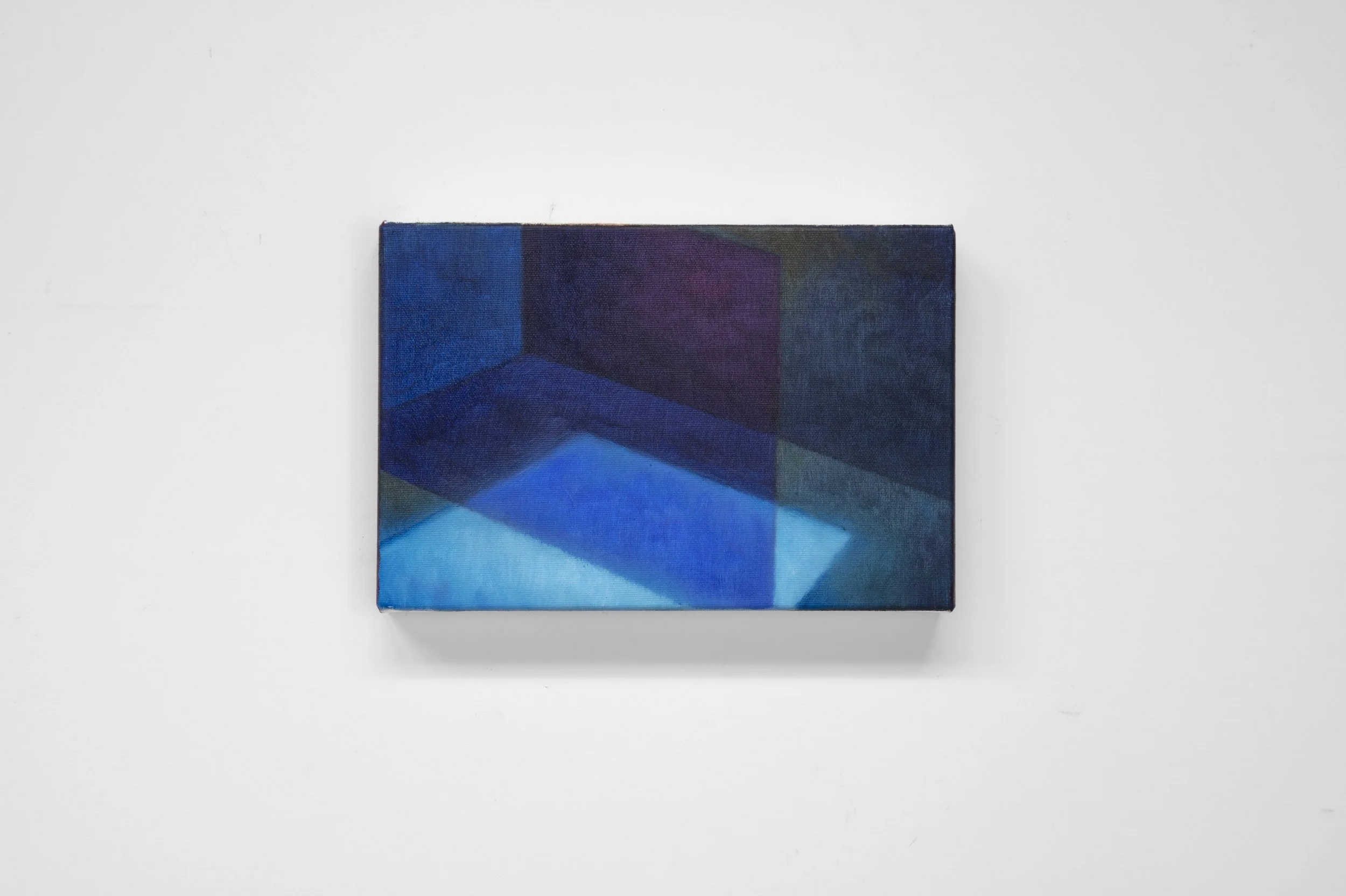
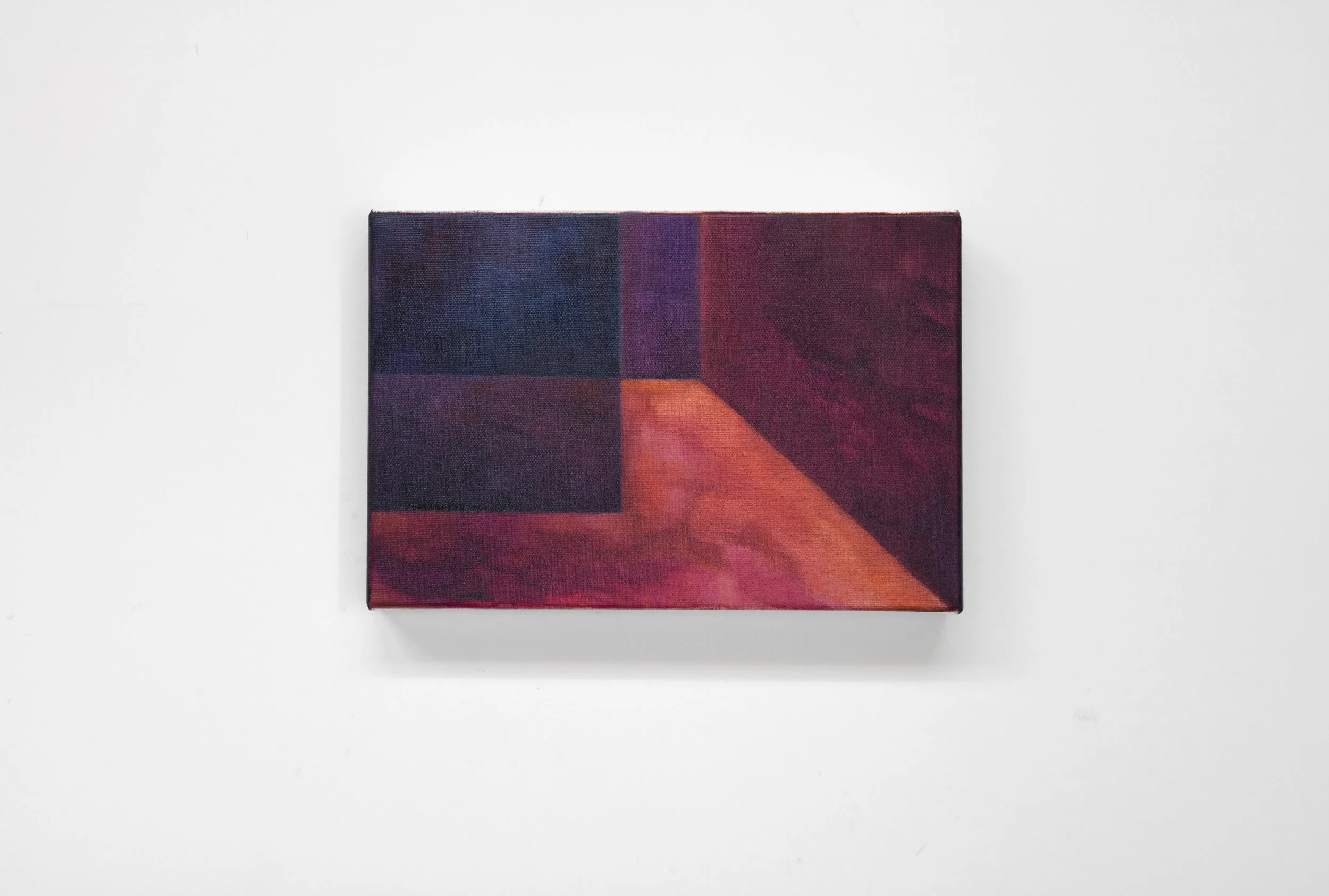

Oil on polycotton
152 x 122 cm