
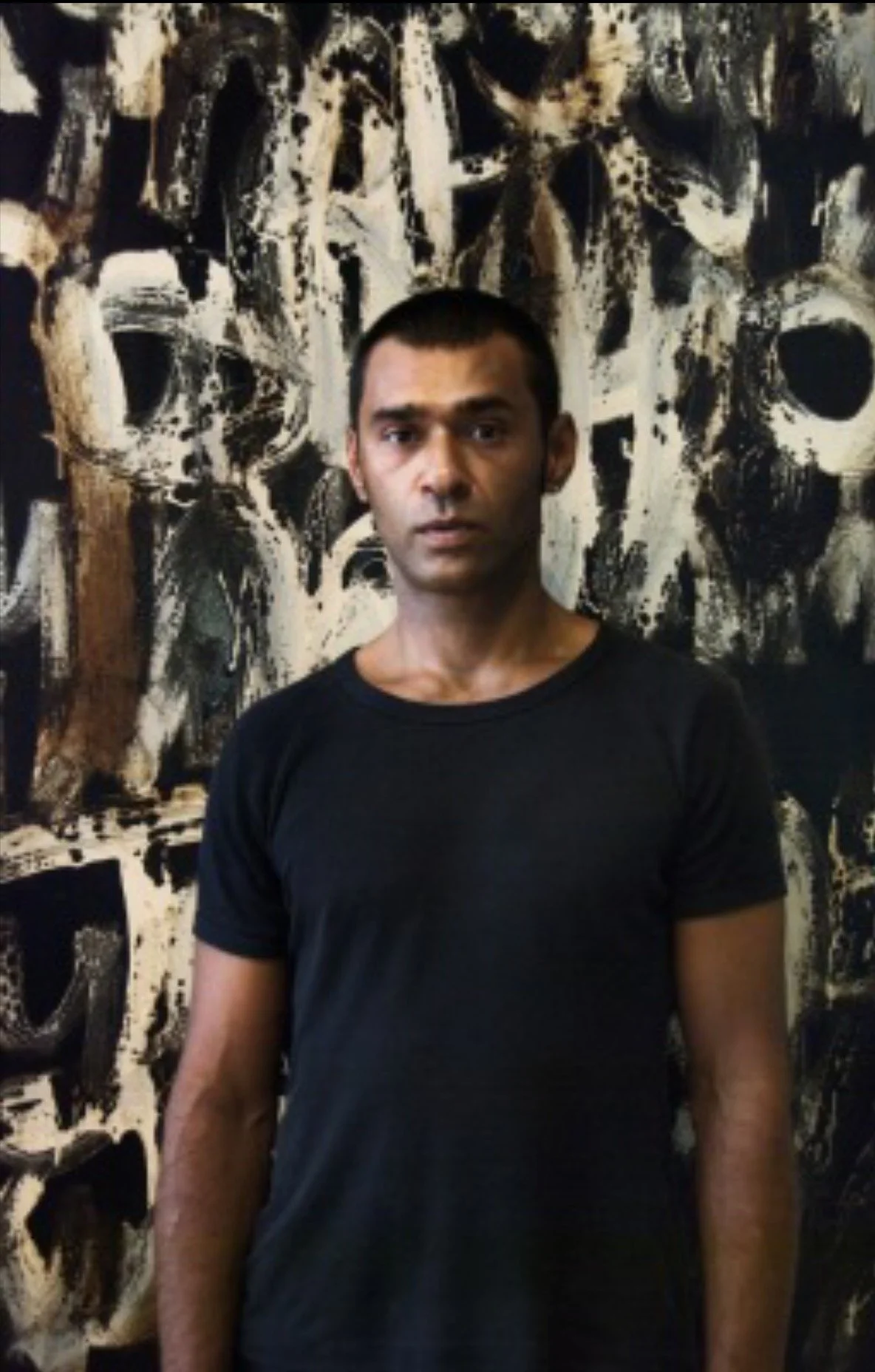
Clinton Naina
Clinton Naina, formerly Clinton Nain, is an urban Indigenous multidisciplinary artist working across painting, photography, printmaking, installation, performance, dance and storytelling. He is a descendant of the Meriam people of the eastern Torres Strait and the Ku Ku people of Cape York, with Danish and Irish ancestry on his father’s side.
Born in Carlton, Melbourne, in 1971, Naina grew up in a family deeply connected to art and activism. His mother, Eleanor Harding, was a political activist and community service worker. Naina attended his first land rights protest at one month old and was present at the Aboriginal Tent Embassy in Canberra on 26 January 1972. These early experiences shaped his lifelong engagement with Indigenous sovereignty, survival and resistance.
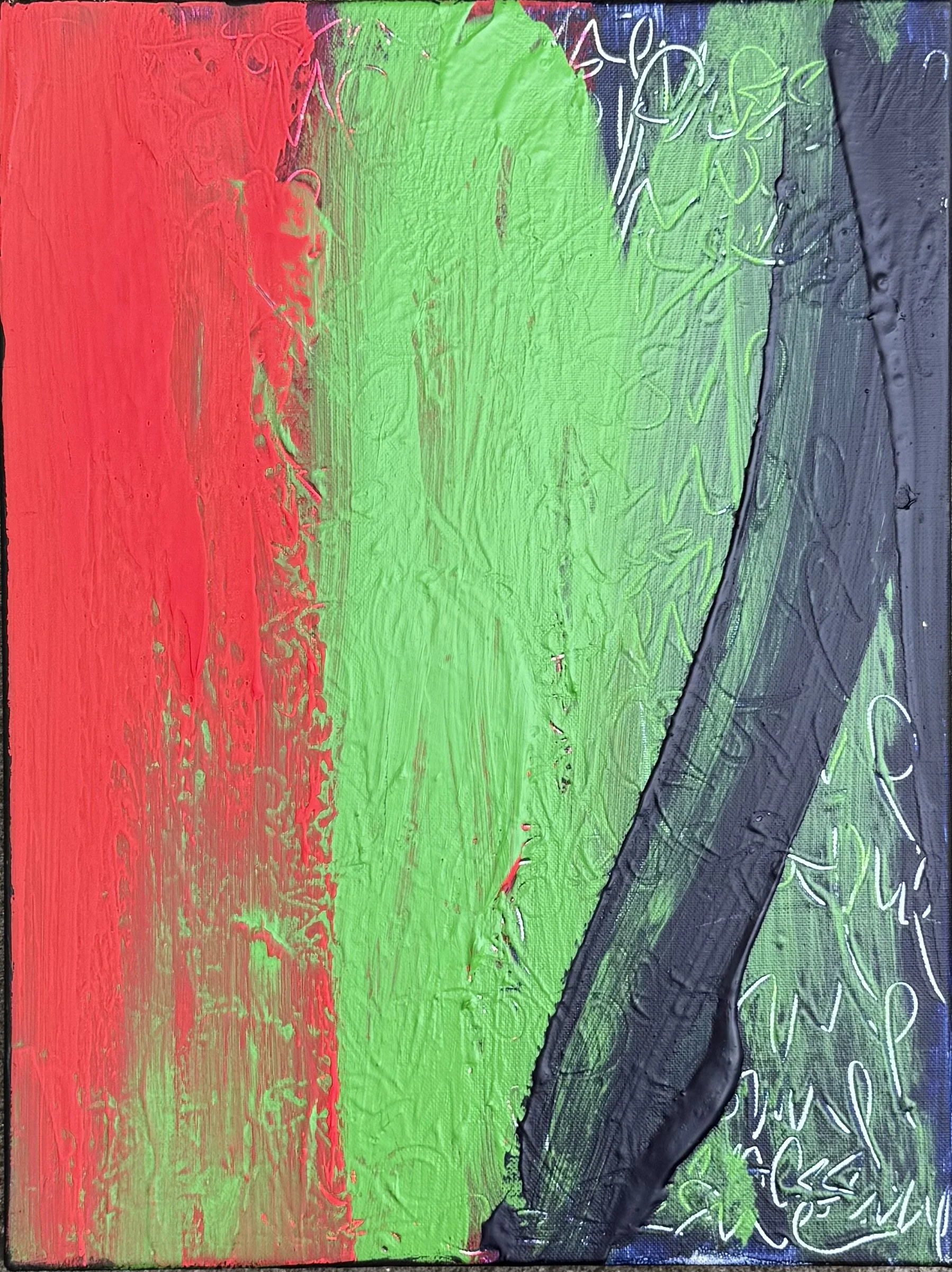
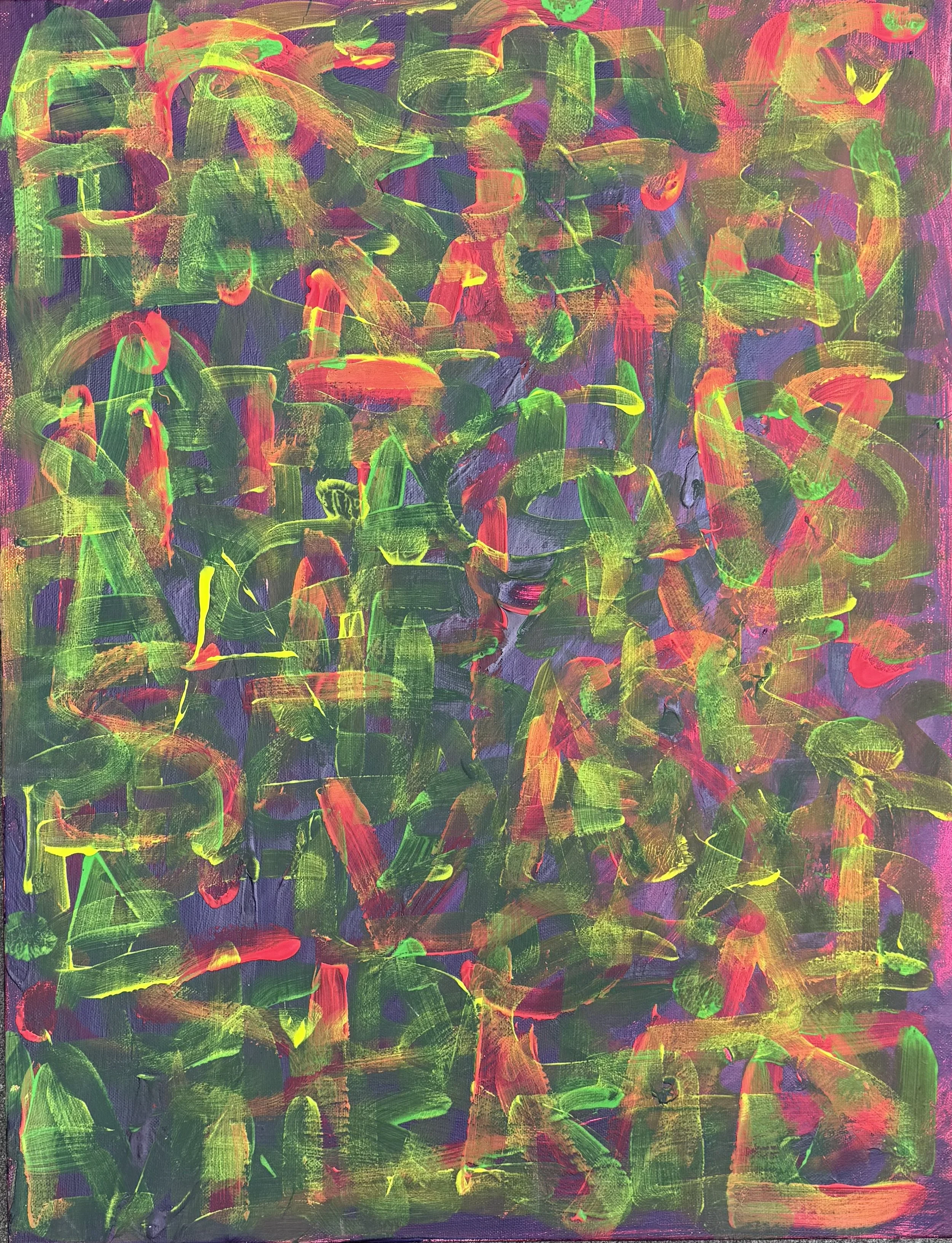
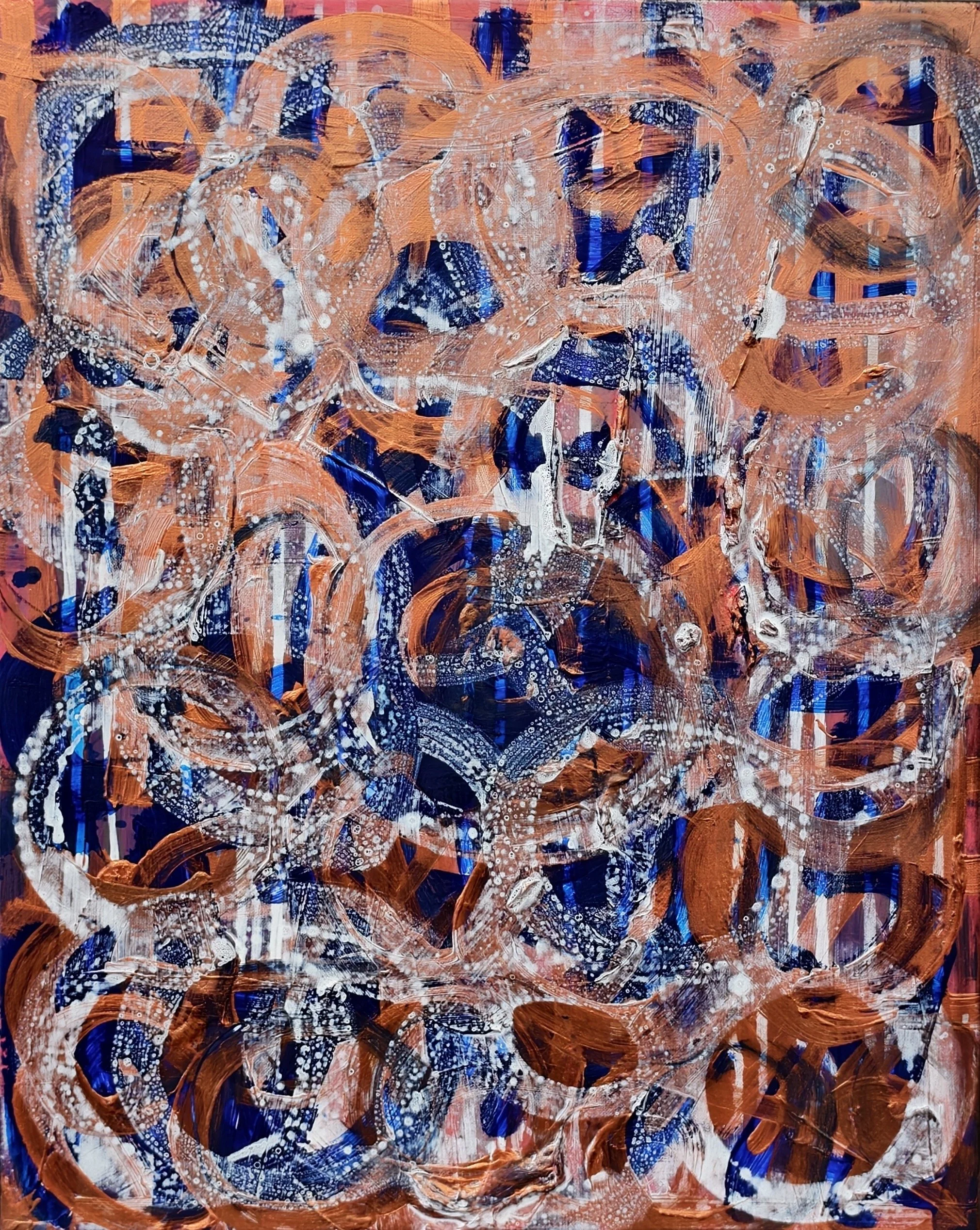
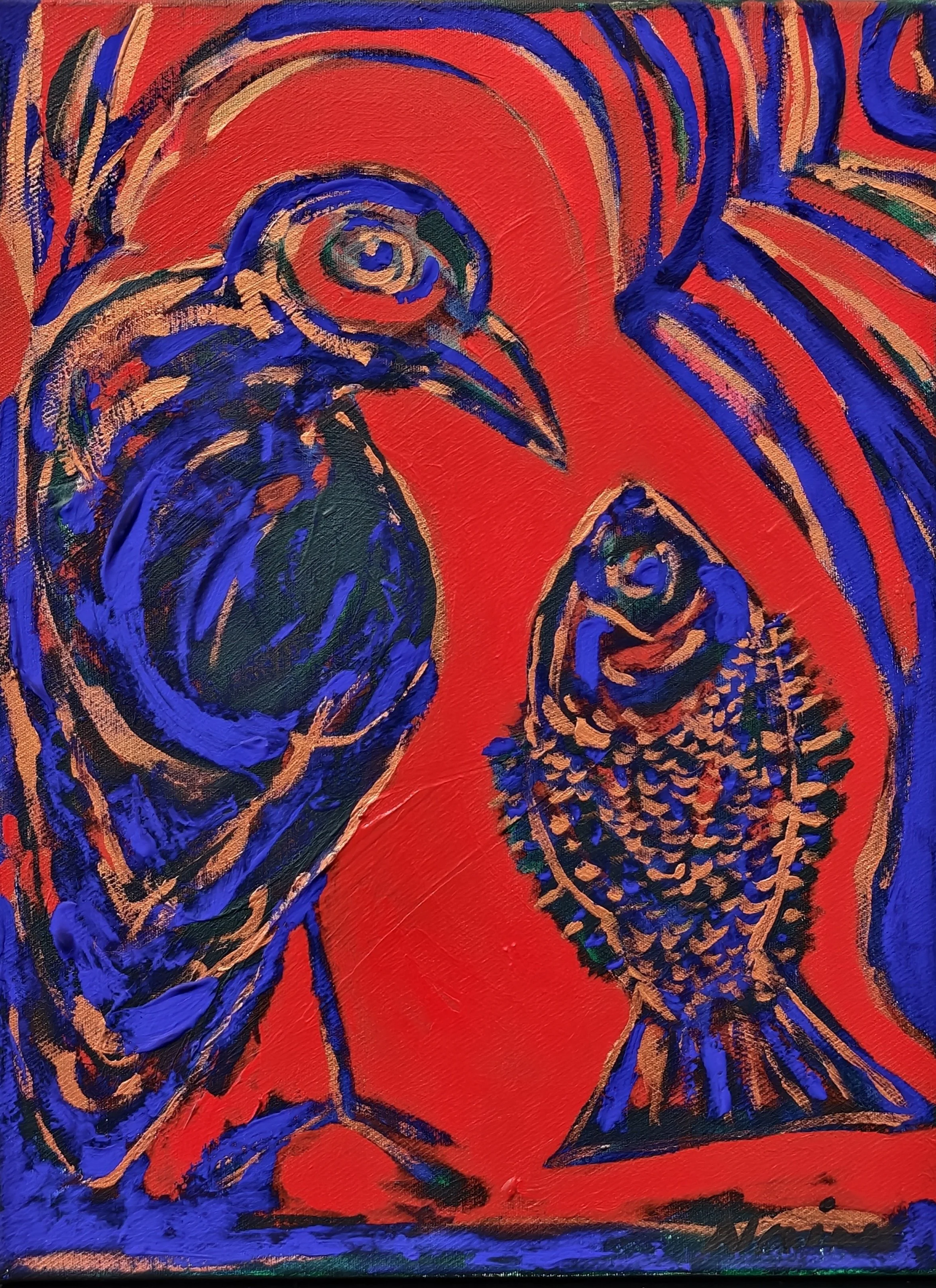
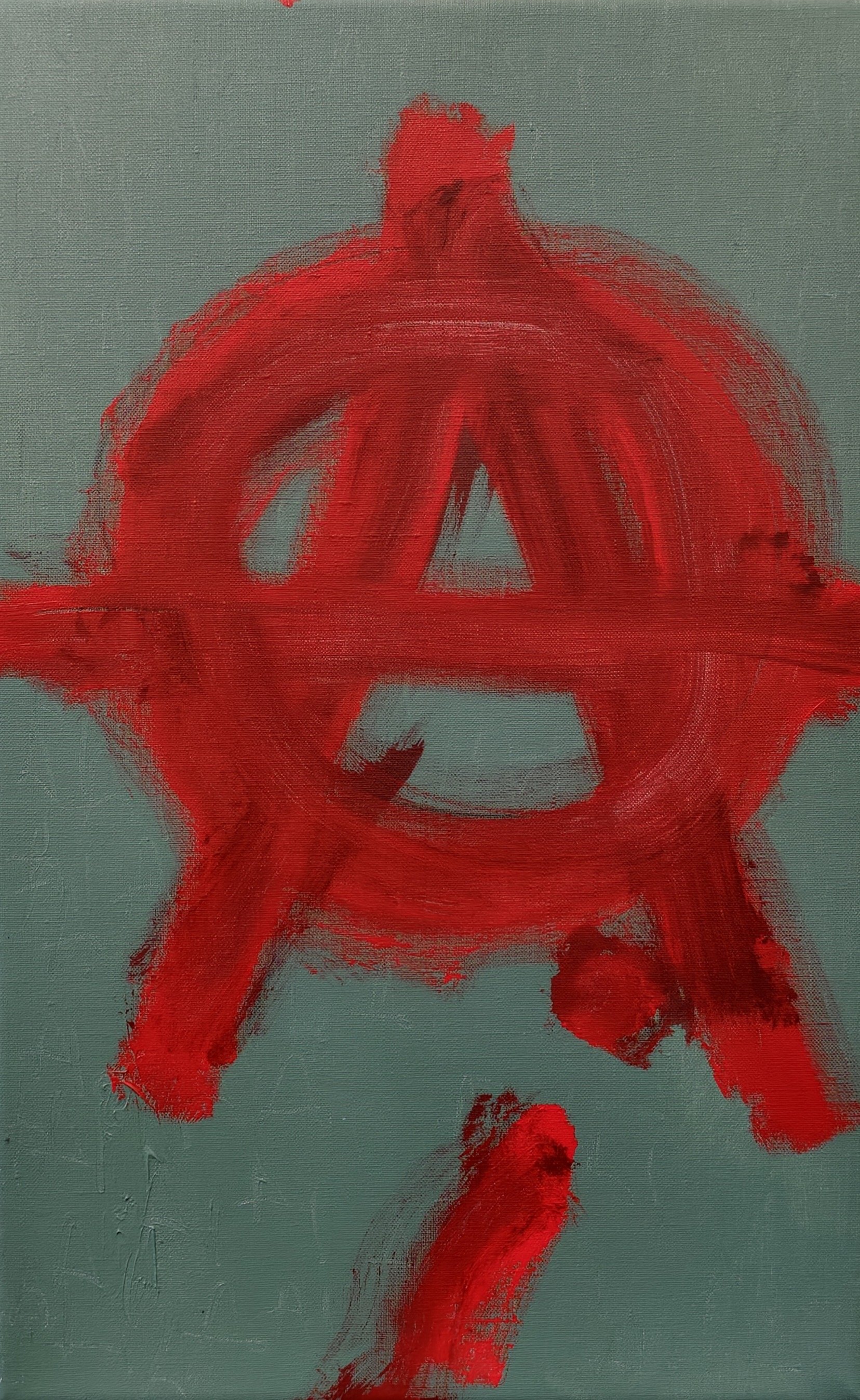
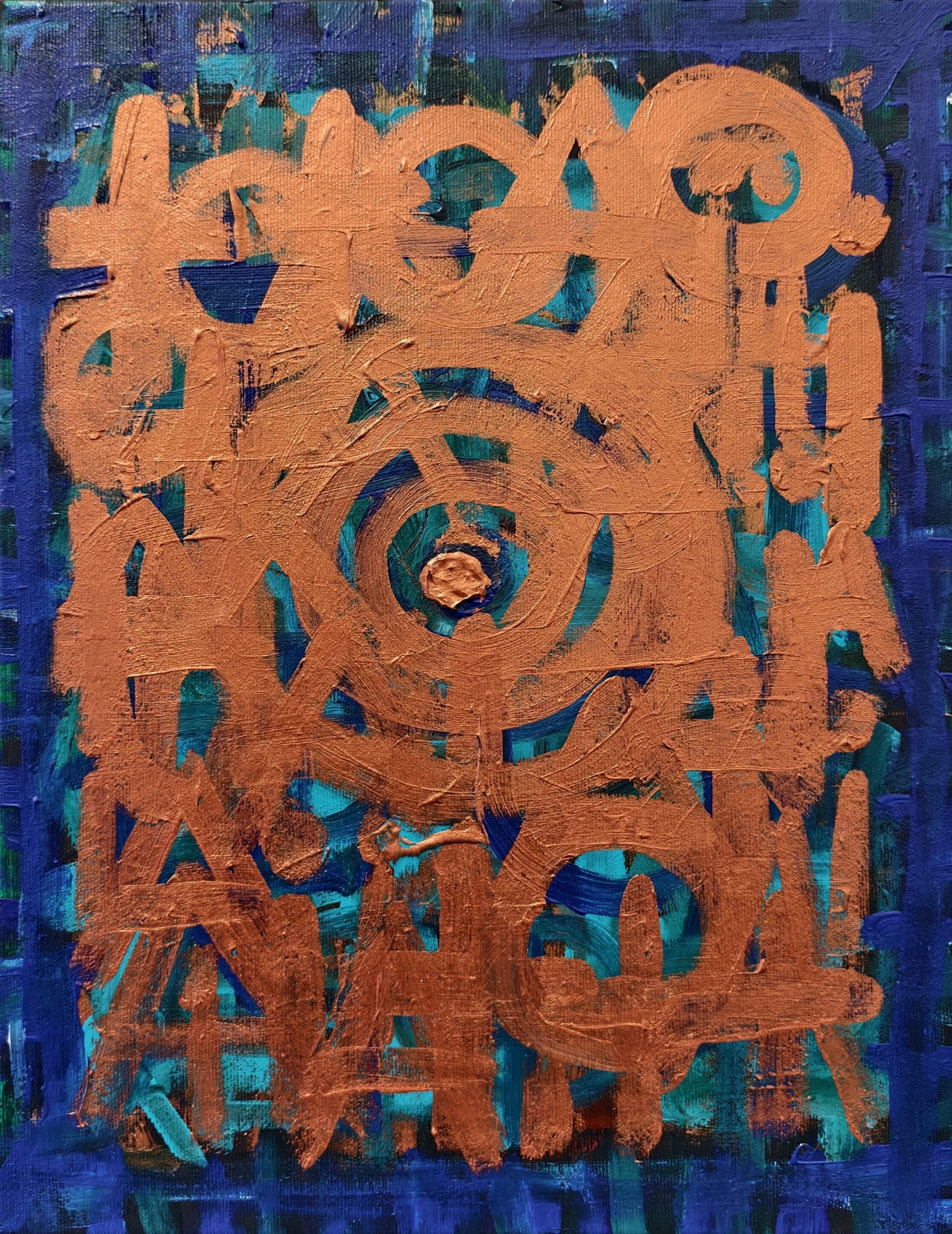
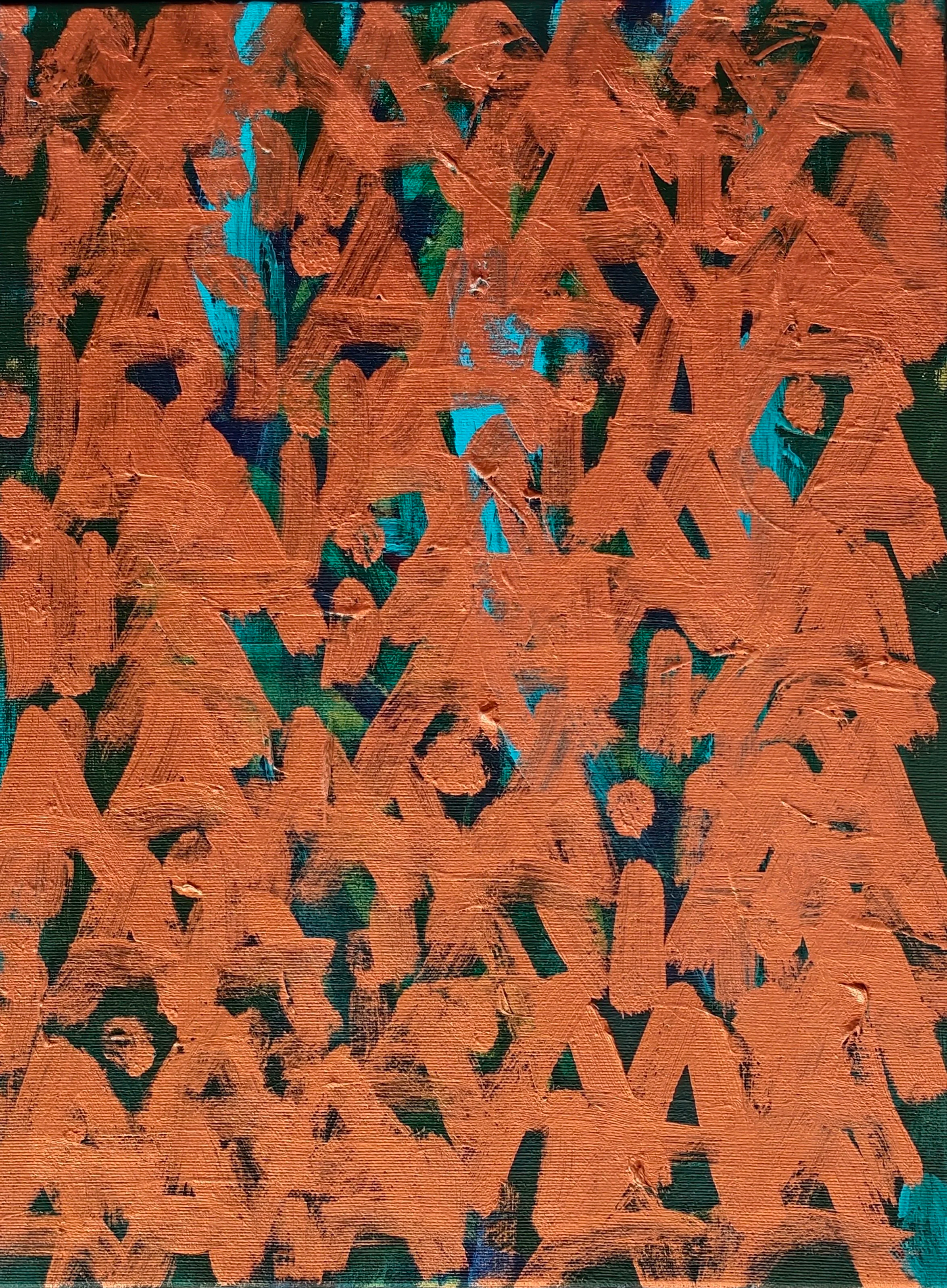
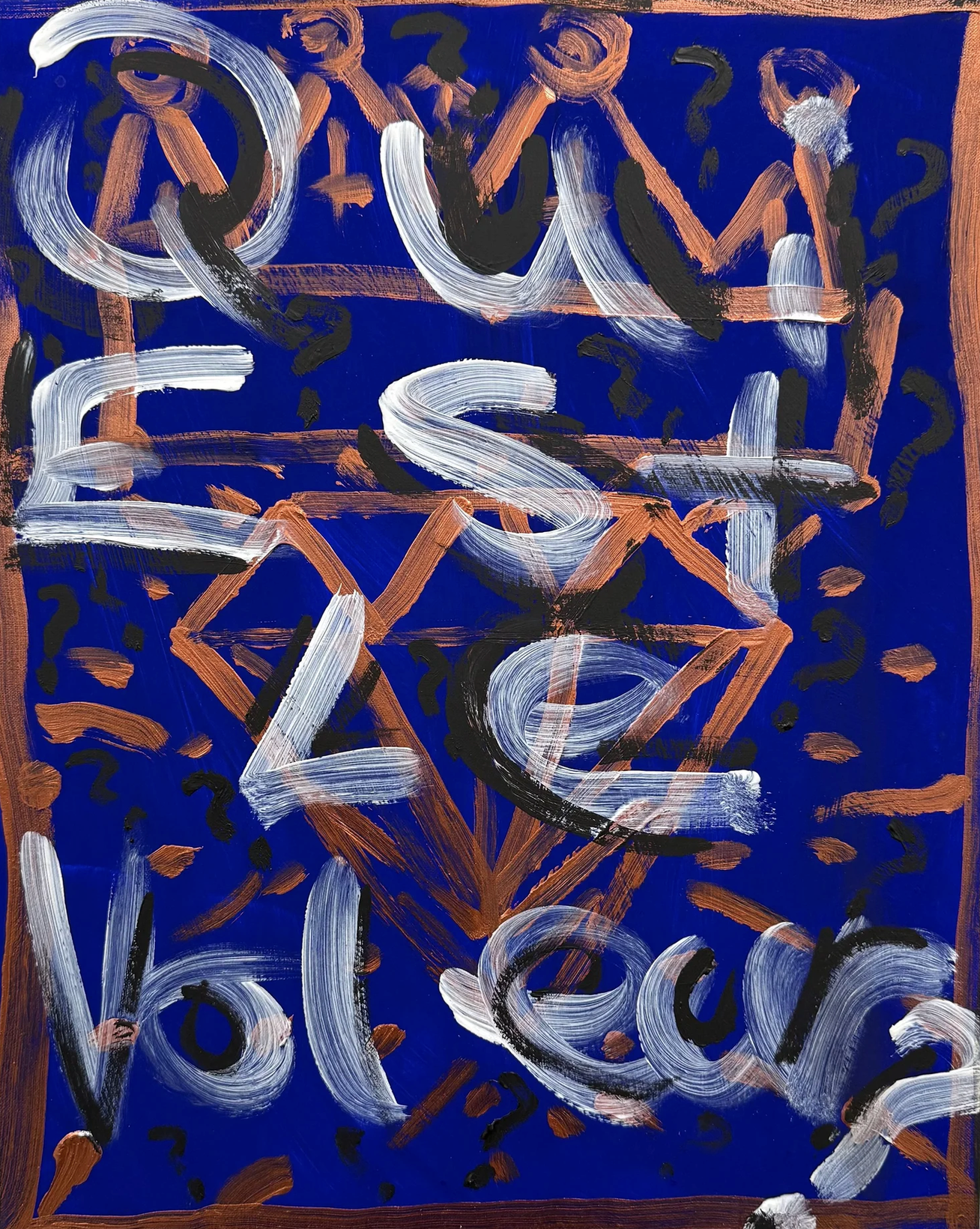
As an abstract painter, Naina works with domestic and industrial materials, including heritage house paint, bitumen and household bleach, to interrogate the language, religion, land claims and symbols of colonial power. He came to prominence in the late 1990s with White King, Blak Queen, a series using bleach and bitumen to confront the legacy of British settlement and imposed religion on Torres Strait Islander and Aboriginal peoples. His work has been described as pointed and strong, yet poignant and witty, balancing critique with cultural presence and resilience.
Naina completed an Advanced Certificate of the Arts at Northern Metropolitan College of TAFE in 1991, before graduating with a Bachelor of Fine Art in Painting from the Victorian College of the Arts, University of Melbourne, in 1994, becoming the first Indigenous graduate from its School of Fine Arts in Painting. He completed a Master of Fine Art by Research at COFA, University of New South Wales, in 2003.
Naina has exhibited and performed nationally and internationally, with work held in major public and private collections including the National Gallery of Australia, the National Gallery of Victoria, and state, regional, tertiary, corporate and private collections in Australia and abroad.
"My Mother, Eleanor Harding, who passed away in 1996, was from the Miriam people of the Eastern Torres Strait, and the Ku Ku people of Cape York. Also, a direct descent of West and East African enslaved people taken to Jamaica and Trinidad in the Caribbean. As well as slave owners, historical Pitt of England, and Kanak, Chieftain family of Lifou Island, New Caledonia. My Mother was a staunch political activist and tireless community service worker. My Father's lineage is from Denmark, Norway, Germany/ Ashkenazi Jew and Ireland/ Spanish Irish and Scotland.
I’ve spent most of my life in Melbourne living and working as an Artist. As a one-month old, I was taken by my Mother to my first Aboriginal land rights protest at the first Aboriginal Tent Embassy in Canberra on Australia Day in 1972. This experience started my journey and allowed me to explore my political awareness regarding my peoples ongoing struggle for survival and recognition.
I graduated from the Northern Metropolitan College of TAFE in 1991 with an Advanced Certificate of Art. In 1992-1994 I graduated from The Victorian College of The Arts/ University of Melbourne with a Bachelor of Fine Art. Graduating as the first Indigenous graduate in the School of Fine Art/ Painting in 150 years. In 2001-2003 graduating from the University of New South Wales, Sydney with a Master of Fine Art (Research). I have also exhibited and performed nationally and internationally.
As an abstract painter, I use domestic materials as my mediums, such as heritage coloured house paint, bitumen paint and domestic household bleach (White King). I also use references from the dominant culture and its images that symbolise language, religion, land, country, targeted, crown, capitalism and colonialism of the dispossessed and its passive aggressive behaviours."
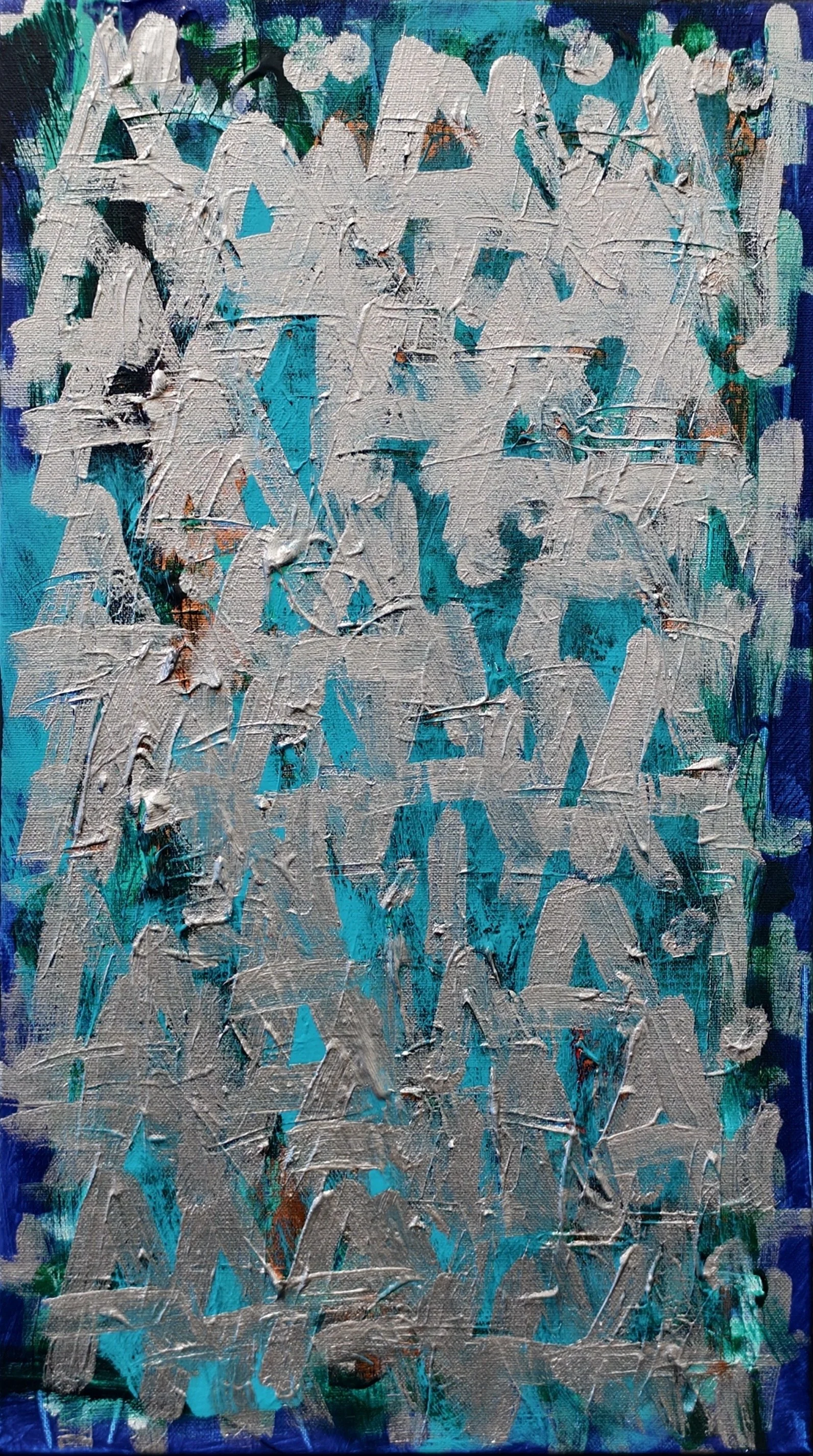
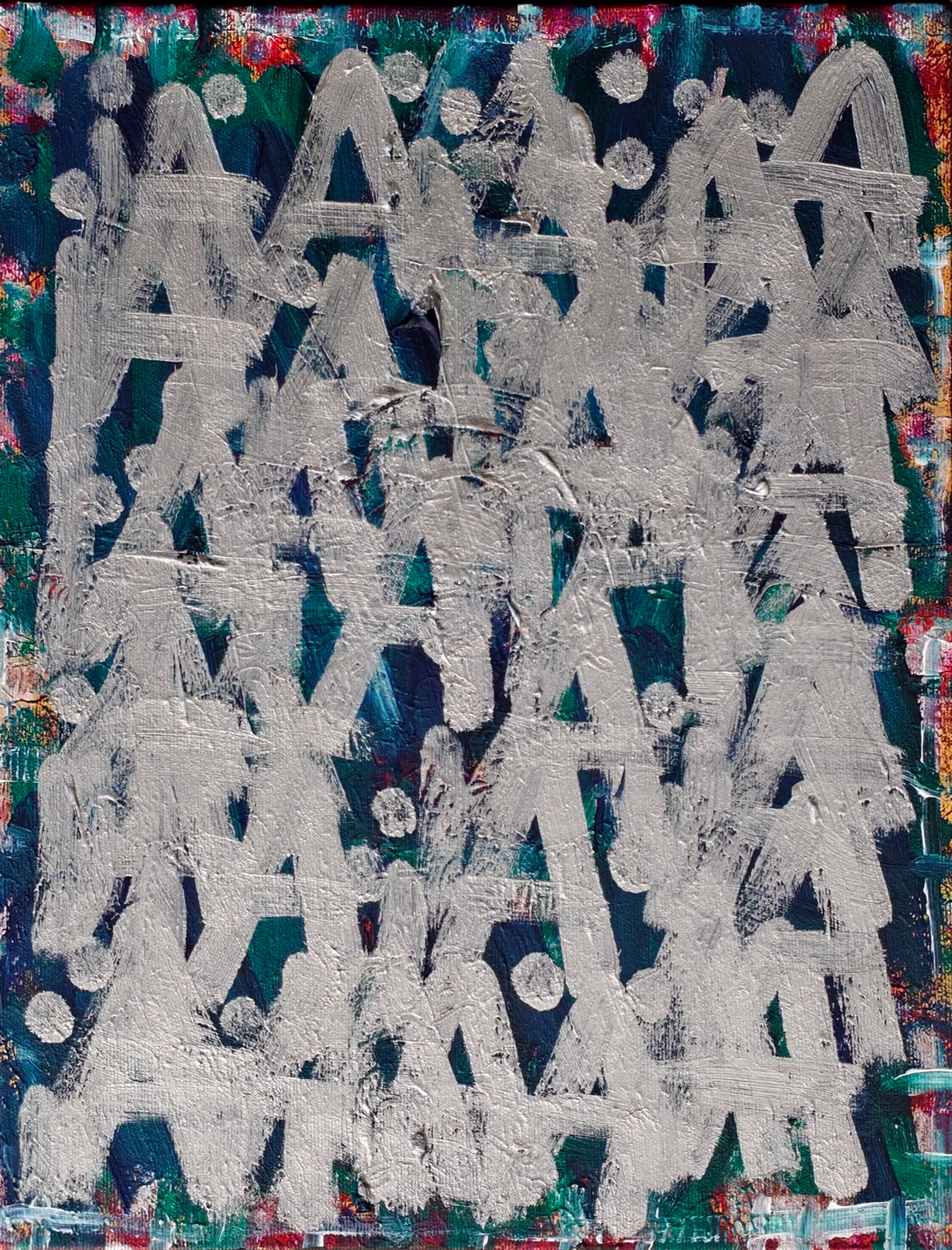

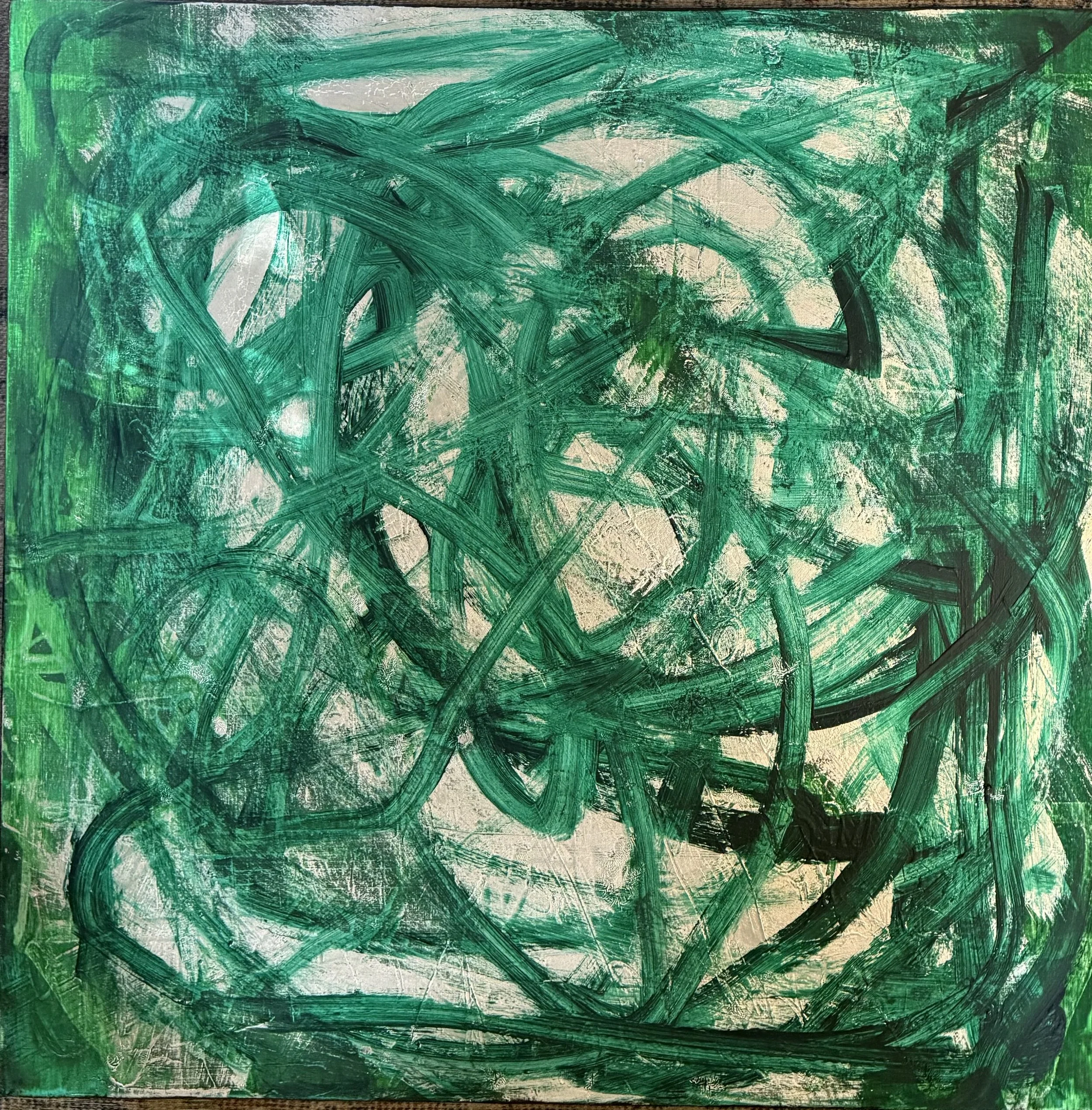
Acrylic on linen
92 x 50 cm